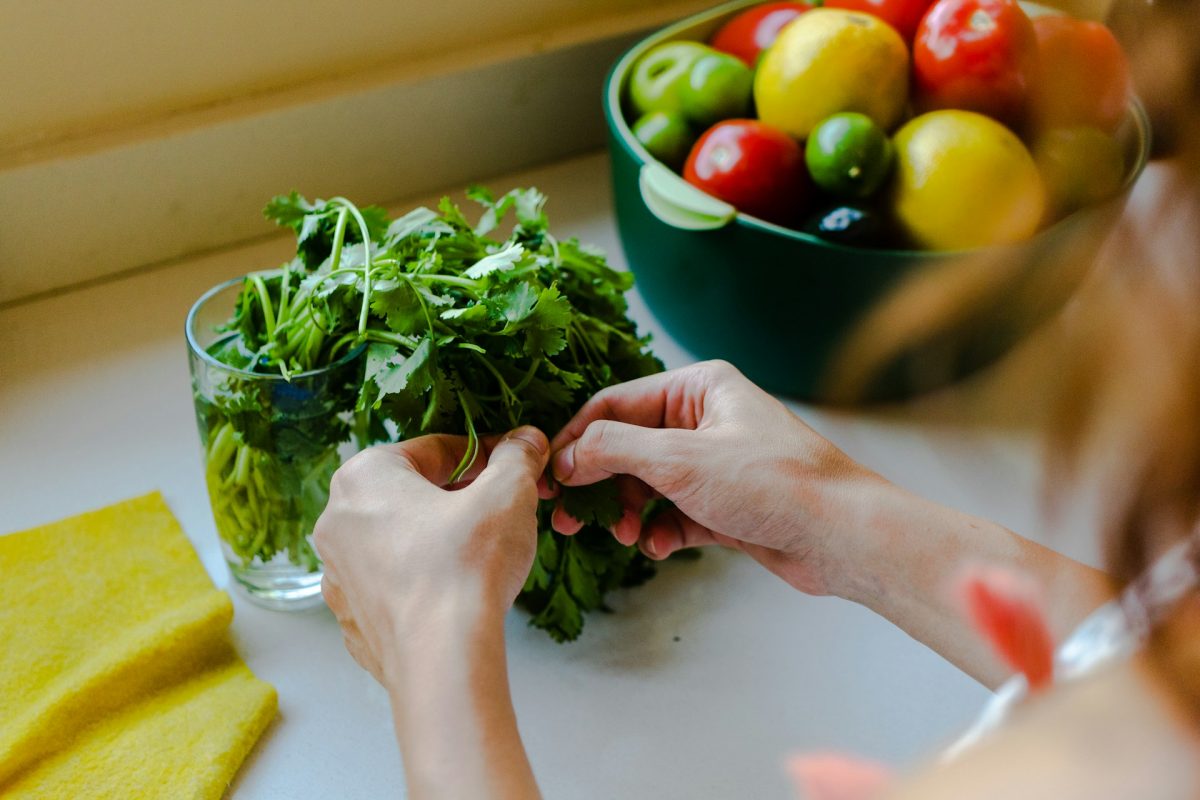
Fresh herbs can turn a simple meal into something unforgettable, but cilantro and basil often sprint to seed before gardeners enjoy a steady harvest. One week the leaves look lush and fragrant, and the next week tall stems shoot upward with flowers stealing energy from leaf production. Heat, long daylight hours, and inconsistent harvesting habits all push these herbs into bolting mode faster than expected. Gardeners who want a longer harvest window need to step in early with smart, simple techniques that guide plant growth in a different direction. A few intentional snips and habit changes can turn a short herb season into a generous supply of flavor-packed leaves.
Cilantro and basil both respond strongly to environmental stress, especially rising temperatures and dry soil conditions. Once the plant senses stress, it rushes into reproduction mode and pushes up flower stalks. That shift drains energy from leaf production and quickly changes flavor, especially in cilantro, which turns bitter after bolting begins. Basil also loses tenderness and becomes less productive as flower buds form.
Why Cilantro and Basil Bolt So Fast in Real Gardens
Cilantro reacts quickly to warm weather, especially when daytime temperatures climb above mild spring conditions. Long daylight hours signal the plant to complete its life cycle and produce seeds. Basil behaves in a similar way, especially when nights stay warm and soil temperatures rise steadily. Both herbs treat these conditions like a countdown timer that pushes them toward flowering.
Garden spacing and airflow also influence how fast these herbs shift into bolt mode. Crowded plants compete for nutrients and moisture, which increases stress and speeds up flowering. Even rich soil cannot fully override heat stress when plants grow in tight clusters. Understanding these triggers helps gardeners spot trouble before flower stalks take over.
The Pinching Trick That Changes Everything
Pinching the top growth forces basil and cilantro to branch instead of shoot upward. Snipping the top set of leaves right above a node redirects energy into side shoots that produce more harvestable leaves. This simple move prevents the plant from locking into a vertical growth pattern that leads straight to flowering. Gardeners who pinch early often see fuller, bushier plants within days.
Cilantro benefits from frequent trimming of outer leaves, which slows down its urge to bolt. Basil responds best when gardeners remove the central stem tips every week during active growth. Each pinch delays flowering signals and extends the leafy stage of the plant. Consistency matters more than intensity, since regular light pruning keeps growth steady and productive.
Smart Watering and Sun Habits That Slow Bolting
Cilantro and basil both struggle when soil moisture swings between dry and soaked conditions. Steady watering keeps root systems calm and reduces stress signals that trigger flowering. Morning watering works best because it prepares plants for daytime heat without leaving soil soggy overnight. Mulch around the base also helps regulate soil temperature and moisture levels.
Sun exposure plays a major role in how quickly these herbs mature. Basil enjoys full sun but benefits from slight afternoon shade during peak summer heat. Cilantro prefers cooler conditions and often lasts longer when it receives morning sun and light afternoon protection. Small adjustments in placement can stretch harvest time by several extra weeks.
Harvesting Strategies That Keep Leaves Coming
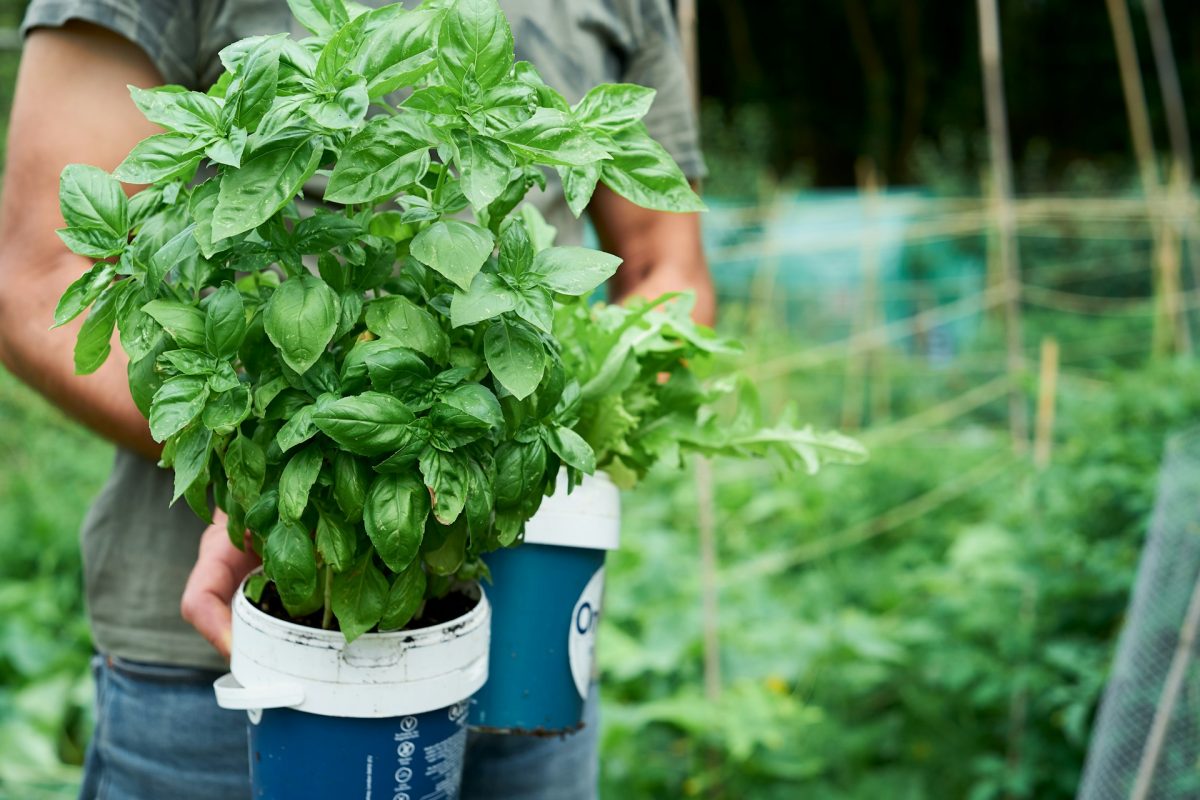
Frequent harvesting encourages basil and cilantro to keep producing new leaves instead of switching to seed production. Cutting stems above a leaf node triggers branching and multiplies future harvest points. Removing older, larger leaves first keeps energy flowing toward younger growth. This rhythm creates a cycle of constant regeneration rather than decline.
Timing also shapes harvest success, especially during warm spells. Morning harvests deliver the best flavor because plants hold more moisture and oils at that time. Cutting no more than one-third of the plant at once prevents shock and keeps growth steady. A disciplined harvest routine turns a short-lived herb patch into a reliable kitchen supply.
Turning a Short Herb Season Into Months of Flavor
Extending cilantro and basil harvests requires combining several small habits rather than relying on one trick alone. Pinching, watering consistency, smart placement, and frequent harvesting work together like a system that keeps plants focused on leaf production. Gardeners who ignore early flower buds often lose weeks of harvest time. Removing those buds immediately redirects energy back into foliage and delays full bolting.
What pinching tricks or herb-growing habits work best in your garden, and how do they stretch your harvest season? Share thoughts and experiences in the comments below.
You May Also Like…
How to Grow Basil That Doesn’t Bolt in the Heat
6 Culinary Herbs That Take Off Quickly When Planted Now
How to Grow Fresh Herbs on a Windowsill Without Buying Garden Soil
Why DIY Bath Salts From Garden Herbs May Be Causing Skin Reactions
7 Mistakes That Make Indoor Herbs Weak and Leggy

Brandon Marcus is a staff writer for FrugalGardening.com at District Media, Inc., where he delivers practical gardening advice with a relatable, no-nonsense style. An avid amateur gardener, he holds a BA degree and with over ten years of professional writing experience, he is also an award-winning published author whose first book, Questions For Deep Thinkers, was released by Adams Media. His work has appeared in major publications including Fandom.com, CHUD.com, TheColdWire.com, and Fansided.com.
Leave a Reply