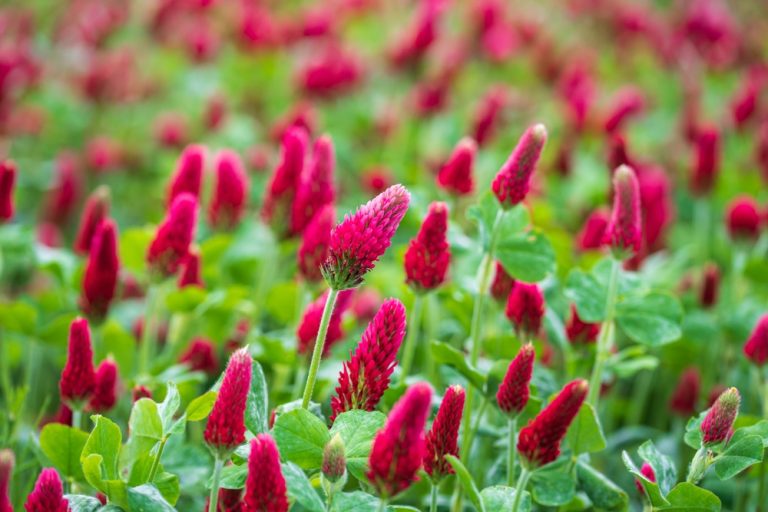
A harvested garden bed can look strangely unfinished. The tomatoes have packed their bags, the beans have disappeared, and suddenly there is a whole patch of perfectly good soil sitting around with nothing to do. That empty space offers a great opportunity to plant a cover crop, even when the garden consists of a few…
How to Store Garden Tools for Winter Without Buying New Organizers
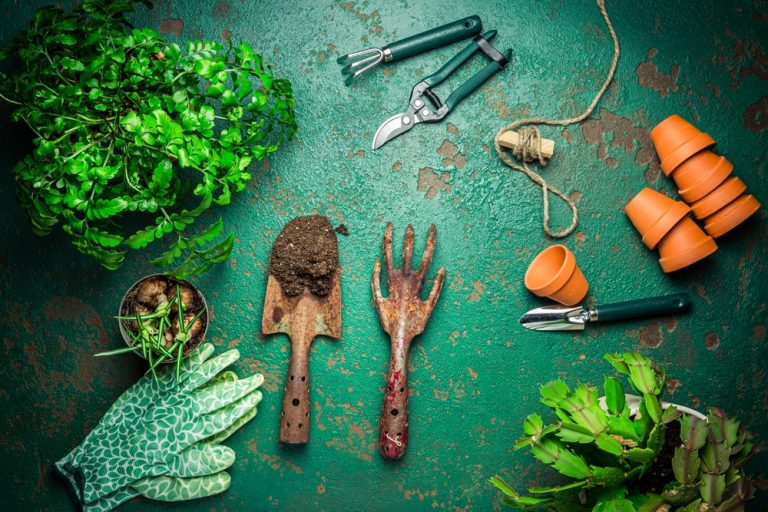
Garden tools have a remarkable talent for turning into a tangled pile of handles, hoses, and mysterious metal objects the moment gardening season ends. Storing them for winter does not require a shiny new rack, expensive storage bins, or a trip to the hardware store, though. A little cleaning, some strategic repurposing, and a better…
What to Know About Crops That May Recover After a Heat-Stress Slump
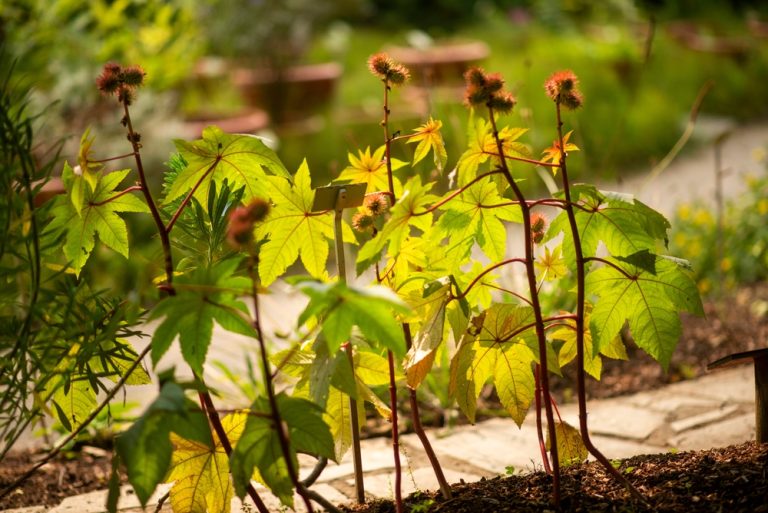
A heat wave can make a vegetable garden look like it has filed for early retirement. Leaves curl, blossoms disappear, fruit production slows, and perfectly healthy plants can suddenly look rather unimpressed with the whole gardening arrangement. The good news: heat stress does not automatically mean a crop has reached the end of its story….
6 Soil Tests Worth Doing Before You Buy Fall Fertilizer
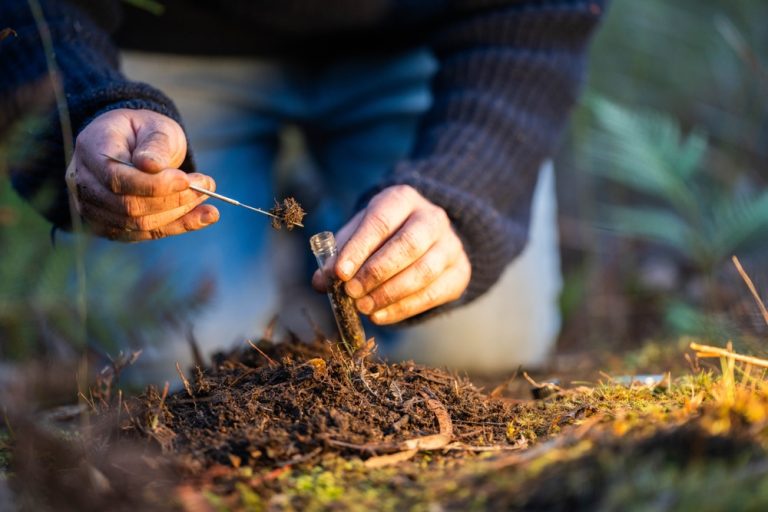
Fall fertilizer season can turn a garden center into a strange little game of nutritional roulette. Bags promise greener lawns, stronger roots, bigger blooms and all sorts of botanical miracles, but none of those promises tell you what your particular soil actually needs. A soil test can give you that missing piece of information before…
7 Kitchen Scraps That Belong in Compost—and 4 That Do Not
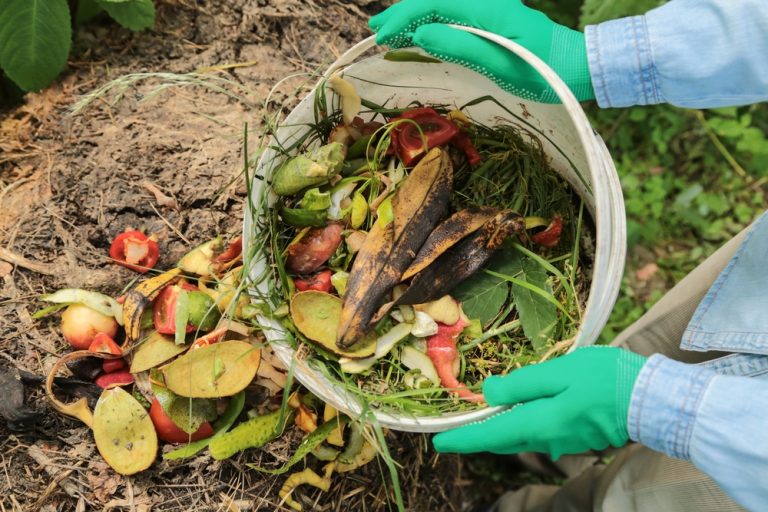
The compost bin can turn a surprising amount of kitchen waste into useful organic matter for the garden. Apple cores, coffee grounds, vegetable trimmings, and even crushed eggshells can all find a second life in the pile, while certain leftovers can create more trouble than they are worth. Knowing the difference keeps composting simpler and…
Understanding Native Plants That May Lower Watering Needs Over Time
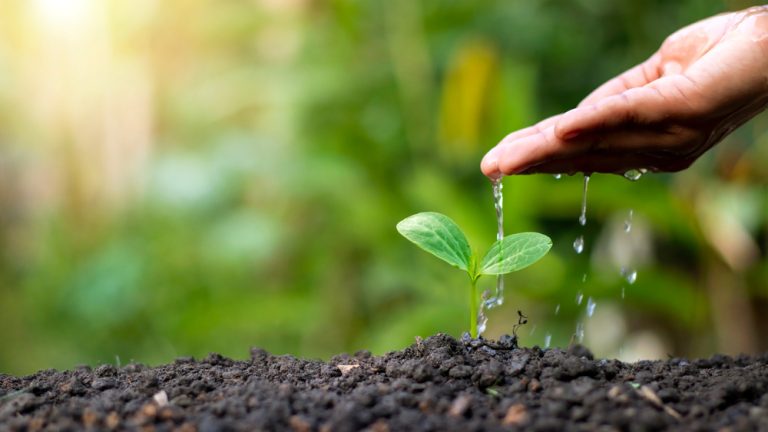
Native plants can make a noticeable difference in how much attention a landscape needs, especially once their roots settle into the soil. The trick lies in choosing species that naturally fit the local climate, soil, moisture patterns, and growing conditions rather than assuming every native plant behaves like a drought specialist. That distinction matters. A…
6 August Garden Jobs That Make September Easier
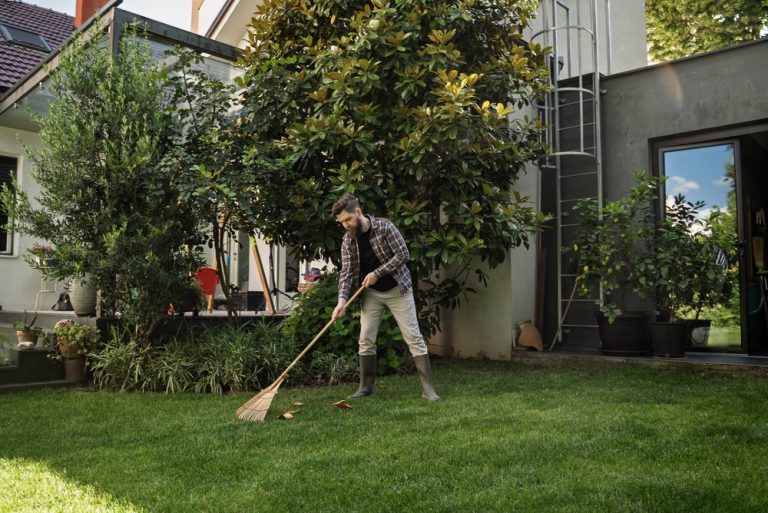
August has a sneaky way of turning the garden into a to-do list with leaves. One minute the beds look wonderfully productive, and the next, spent flowers, sprawling vines, ripe vegetables, weeds, and thirsty containers seem to demand attention all at once. A few well-timed jobs in August can prevent that September pileup and make…
A Practical Guide to Garden Purchases That Are Usually Cheaper After Peak Season
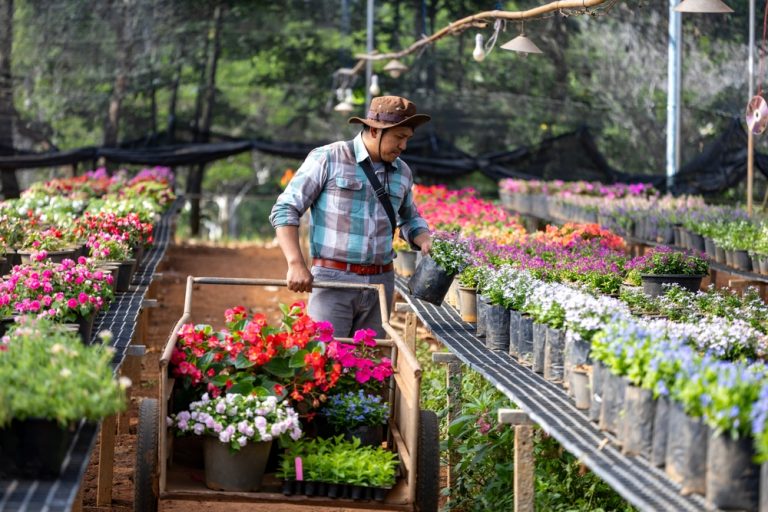
Garden shopping has a funny habit of making the most expensive items look irresistible right when they are least urgent. Once spring and early summer demand fades, however, many garden centers and retailers need to move seasonal inventory, which can create much better opportunities for careful shoppers. That shift makes late summer and early fall…
7 Flowers to Direct-Sow Now for Early Color Next Year
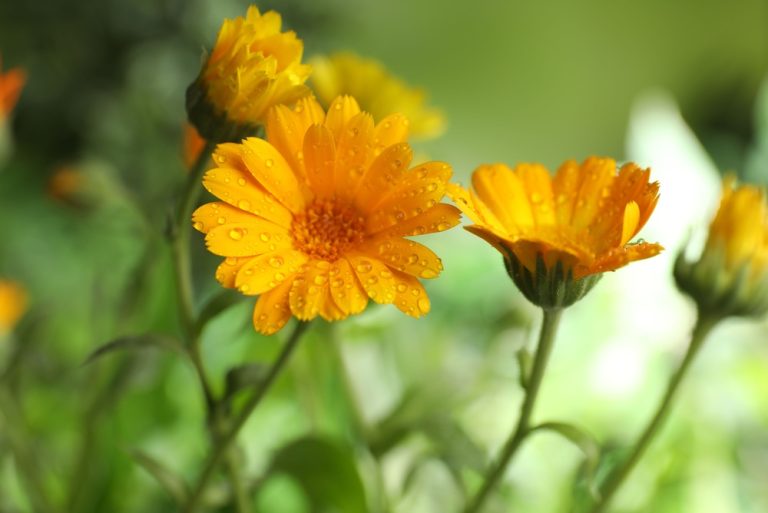
Fall may look like the grand finale of the gardening season, but the soil still has one more trick up its sleeve. Direct-sowing certain flower seeds now can give them a head start through winter and bring surprisingly early color to the garden next year, often without grow lights, seed trays, or a windowsill crowded…
6 Ways to Stretch a Small Garden Budget Into Fall
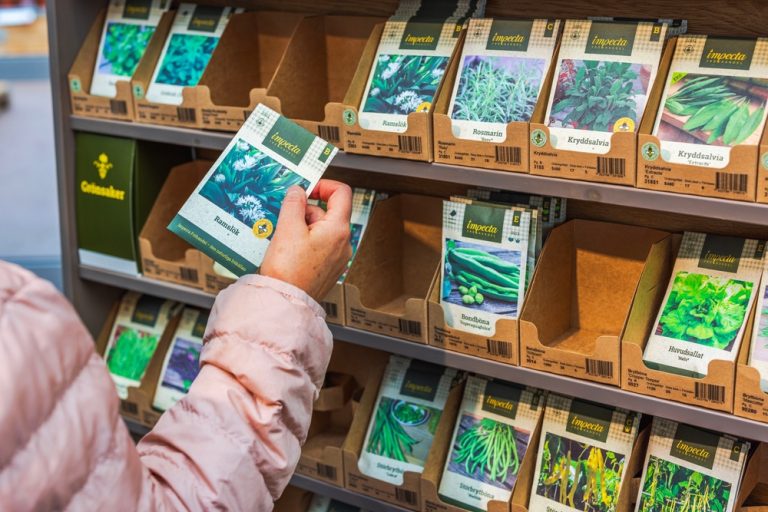
A garden budget can disappear surprisingly fast. A few seed packets here, a bag of potting mix there, then suddenly a perfectly innocent trip to the garden center has turned into a receipt that deserves its own zip code. Fall gardening does not have to work that way, though, because the garden already contains plenty…