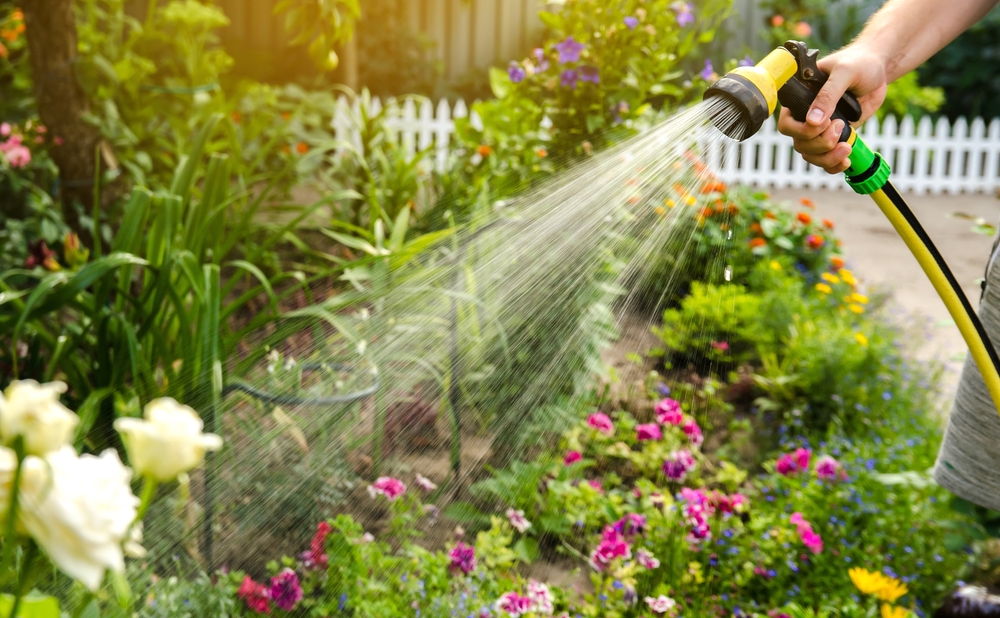
Gardens rarely fail because they lack water. They struggle because water arrives in unpredictable bursts that confuse roots and disrupt growth patterns. Plants respond to rhythm, not occasional generosity, and that rhythm shapes everything from root strength to leaf color. A well-timed light watering often delivers better results than a heavy soak followed by days of dryness. Once watering becomes consistent, plants settle into predictable growth cycles that show up in stronger stems and healthier foliage.
Many gardeners assume more water automatically means better results, but that assumption often leads to problems like shallow roots and stressed soil. Plants adapt quickly to their environment, and inconsistent watering teaches roots to stay near the surface instead of reaching deeper for nutrients. That shallow rooting makes plants more vulnerable during heat waves or dry spells. Consistency builds resilience in ways that sheer volume never achieves. A steady watering pattern creates a stable foundation that supports long-term garden success.
Why Rhythm Builds Stronger Roots and Healthier Plants
Plants grow in response to patterns in moisture, and those patterns shape how deep roots travel into the soil. A consistent watering routine encourages roots to stretch downward, searching for water at deeper levels instead of clustering near the surface. That deeper growth creates stability and improves access to nutrients that sit beyond the topsoil. A plant that receives regular moisture builds internal systems that handle stress more efficiently. Over time, rhythm turns fragile plants into steady performers that handle weather shifts with ease.
Inconsistent watering interrupts that process and forces plants into survival mode instead of growth mode. Soil that swings from dry to soaked creates confusion in the root zone and disrupts nutrient uptake. Leaves may yellow, growth may stall, and flowers may drop earlier than expected. Even drought-tolerant plants struggle when water arrives in unpredictable cycles. A steady schedule prevents those stress signals and keeps plants focused on growth rather than recovery.
How Irregular Watering Creates Hidden Problems in the Garden
Irregular watering often hides its damage underground before any visible symptoms appear above the soil. Roots shrink back during dry periods and expand rapidly during heavy watering, which creates physical stress inside the plant structure. That constant adjustment weakens plant resilience and reduces efficiency in nutrient absorption. Soil microbes also suffer when moisture levels swing too dramatically. A stable environment supports microbial life, which directly improves plant health.
Above ground, inconsistent watering triggers confusing signals that affect leaves, flowers, and fruit production. Plants may produce smaller blooms or drop fruit early when they cannot rely on steady hydration. Tomatoes may crack, lettuce may turn bitter, and herbs may lose their essential oils. Even ornamental plants lose vibrancy when their water supply fluctuates too much. A predictable watering schedule removes those stress triggers and supports consistent growth across the entire plant.
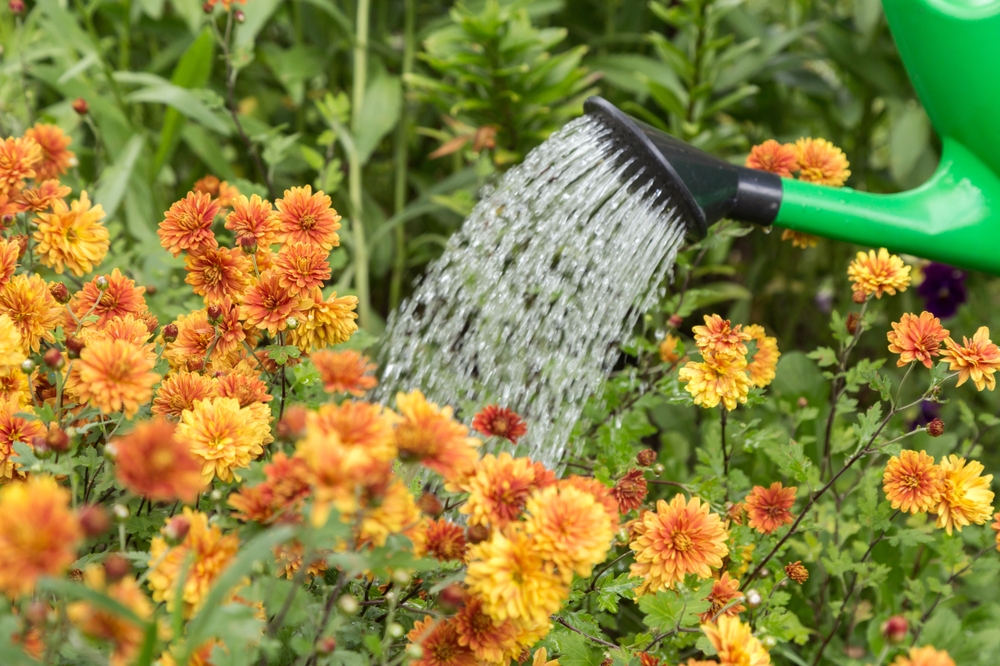
Building a Watering Rhythm That Actually Works in Real Gardens
A reliable watering rhythm depends on soil type, climate, and plant needs rather than guesswork or occasional heavy watering. Sandy soil drains quickly and needs more frequent watering, while clay soil holds moisture longer and requires slower adjustments. Gardeners who observe soil moisture levels instead of following rigid daily habits often see better results. A finger test or moisture meter helps identify when soil actually needs water instead of relying on a fixed calendar. This approach keeps watering aligned with real plant needs instead of assumptions.
Timing also plays a major role in building consistency that works with natural plant cycles. Early morning watering allows plants to absorb moisture before heat increases evaporation rates. Evening watering can work in cooler climates, but it may encourage fungal issues in humid regions. A steady schedule at the same time each watering session helps plants adjust and respond more efficiently. Consistency in timing builds a predictable environment that supports stronger, more stable growth.
Behind Long-Term Garden Success
Watering success does not depend on how much water gets applied, but on how reliably plants receive it. A steady rhythm trains roots, stabilizes soil life, and supports healthy above-ground growth without dramatic fluctuations. Gardens respond best when moisture stays balanced instead of swinging between extremes. Consistency also reduces waste, prevents runoff, and helps gardeners avoid overwatering mistakes that damage long-term soil health. Every healthy garden reflects a pattern of thoughtful, repeatable care rather than occasional heavy effort.
What watering rhythm has worked best in different parts of your garden, and how has it changed plant health over time?
You May Also Like…
The Overwatering Issue That Weakens Root Systems
The Watering Myth: Why More Moisture Can Hurt Root Development
The Overwatering Problem: Why Soggy Soil Kills More Gardens Than Drought
Why Plants Wilt Even After Watering and What to Do
Why Plants Wilt Even After Watering and What to Do

Brandon Marcus is a staff writer for FrugalGardening.com at District Media, Inc., where he delivers practical gardening advice with a relatable, no-nonsense style. An avid amateur gardener, he holds a BA degree and with over ten years of professional writing experience, he is also an award-winning published author whose first book, Questions For Deep Thinkers, was released by Adams Media. His work has appeared in major publications including Fandom.com, CHUD.com, TheColdWire.com, and Fansided.com.
Leave a Reply