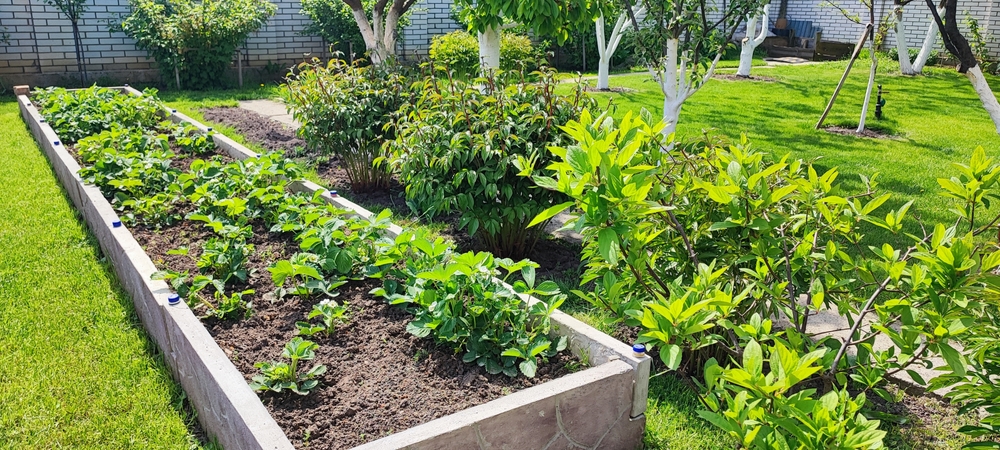
Raised bed gardening continues to win over beginners and seasoned growers because it brings control, consistency, and cleaner harvests right into reach. Gardeners gain tighter control over soil quality, moisture levels, and plant spacing, which leads to more predictable results across seasons.
The right plant choices turn raised beds into productive powerhouses instead of patchy experiments. Smart selection also reduces pest pressure and makes maintenance far less stressful.
1. Cherry Tomatoes Bring Nonstop Summer Energy
Cherry tomatoes deliver fast growth, heavy production, and steady harvests that keep raised beds buzzing with activity. These compact plants adapt well to confined soil spaces, especially when gardeners install sturdy cages or trellises. Varieties like ‘Sungold’ and ‘Sweet 100’ produce clusters of sweet fruit that ripen quickly under full sun. Raised beds help maintain warm soil temperatures, which tomatoes love during early growth stages. Consistent pruning and watering keep plants productive without overwhelming the space.
Gardeners often notice that cherry tomatoes outperform larger slicing types in raised beds due to their efficient growth habits. They respond well to nutrient-rich soil blends that include compost and organic matter. Regular harvesting encourages even more fruit production throughout the season. Good airflow between plants reduces disease pressure, especially in humid conditions. This crop rewards attention with nonstop color, flavor, and garden excitement.
2. Leafy Greens Deliver Fast and Reliable Harvests
Leafy greens like lettuce, spinach, and kale grow quickly and adapt beautifully to raised bed environments. These crops tolerate close spacing, which makes them ideal for maximizing small garden footprints. Cool-season conditions help leaves stay tender and flavorful, especially in spring and fall plantings. Raised beds drain efficiently, which prevents soggy roots that often damage delicate greens. Succession planting keeps harvests rolling every few weeks.
Many gardeners appreciate how quickly leafy greens move from seed to plate, sometimes in as little as 30 days. Consistent moisture supports crisp textures and reduces bitterness in warm weather. Partial shade during peak summer helps extend growing windows for lettuce varieties. Kale stands out as a durable option that handles light frost and continues producing. This group of crops brings fast satisfaction and steady returns with minimal fuss.
3. Bush Beans Maximize Space and Soil Efficiency
Bush beans fit perfectly into raised beds because they grow compactly while producing generous yields. These plants do not require tall supports, which simplifies garden setup and maintenance. Varieties like ‘Provider’ and ‘Blue Lake Bush’ produce pods in clusters that make harvesting quick and easy. Warm soil encourages fast germination and strong early growth. Regular picking stimulates continued pod production throughout the season.
Raised beds give bush beans a clear advantage by improving drainage and preventing waterlogged roots. Gardeners often rotate beans with leafy greens to maintain soil balance and reduce nutrient depletion. Beans also contribute nitrogen to the soil through natural processes that support future plantings. Consistent sunlight exposure helps pods develop evenly and stay tender. This crop delivers dependable harvests without demanding constant attention.
4. Radishes Offer Speed and Instant Gratification
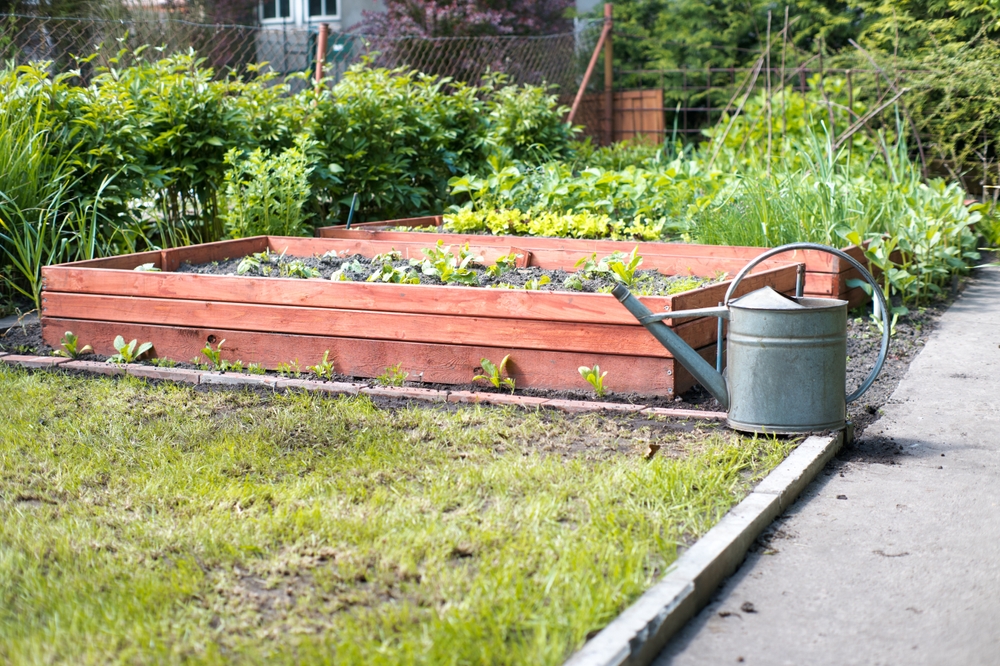
Radishes rank among the fastest crops for raised bed gardening, often reaching maturity in under a month. Their rapid growth cycle makes them perfect for filling gaps between slower crops. Crisp texture and peppery flavor add variety to fresh salads and garden snacks. Raised beds allow loose soil structure, which supports proper root development and clean bulb formation. Frequent planting cycles keep harvests coming throughout the season.
Gardeners value radishes for their reliability and minimal maintenance needs. They perform best in cooler weather, which helps prevent woody or overly spicy roots. Thin seedlings early to avoid crowding and ensure proper bulb formation. Interplanting radishes with carrots or lettuce maximizes space efficiency in tight beds. This crop brings quick wins that keep motivation high in any garden plan.
5. Zucchini Turns Small Beds into Big Producers
Zucchini plants deliver impressive yields even from a single plant in a raised bed. Compact bush varieties fit better than sprawling types, which helps control space usage. Plants like ‘Black Beauty’ produce steadily when gardeners maintain consistent watering and nutrient-rich soil. Raised beds warm up early in the season, which encourages fast growth and early fruiting. Regular harvesting keeps fruits tender and prevents oversized squash.
Many gardeners notice that zucchini rewards attention with almost aggressive productivity. Proper spacing prevents mildew issues and supports strong airflow around large leaves. Adding compost boosts soil fertility and supports long harvest periods. Trellising smaller varieties can further optimize limited space. This crop brings abundance that often surprises even experienced growers.
6. Carrots Build Strong Roots in Loose Soil
Carrots develop best in raised beds where soil stays loose, deep, and free of heavy clay. Varieties like ‘Nantes’ and ‘Danvers’ grow straight roots with fewer deformities in well-prepared beds. Consistent moisture supports even germination and smooth root development. Raised beds allow gardeners to control soil texture, which directly improves carrot quality. Thinning seedlings ensures proper spacing for full-sized roots.
Gardeners often find carrots more predictable in raised beds than in traditional in-ground plots. Rocks and compacted soil rarely interfere with growth, which reduces misshapen harvests. Mulching helps maintain steady moisture and prevents soil crusting. Cooler weather improves sweetness and enhances flavor development. This crop rewards patience with crisp, flavorful harvests that store well after picking.
Raised Beds Reward Smart Plant Choices
Raised beds deliver their best results when gardeners match crops to structure, soil control, and space efficiency. Each of these six picks brings a combination of reliability, productivity, and manageable growth habits that suit raised environments. Careful rotation and consistent soil enrichment keep beds productive across multiple seasons. Smart pairing of fast crops like radishes with longer growers like tomatoes keeps harvests continuous. These choices turn even small garden spaces into steady sources of fresh produce.
What crops have performed best in your raised beds, and which ones surprised you the most?
You May Also Like…
8 Raised Bed Favorites That Deliver Consistent Results
Termite Prevention Tips for Raised Beds
Why Raised Beds Warm Faster and Boost Early Growth
Gardeners Warned: This Common Winter Cleanup Habit Is Spreading Fungal Disease in Raised Beds
Low-Cost Ways to Build Raised Beds in 2026

Brandon Marcus is a staff writer for FrugalGardening.com at District Media, Inc., where he delivers practical gardening advice with a relatable, no-nonsense style. An avid amateur gardener, he holds a BA degree and with over ten years of professional writing experience, he is also an award-winning published author whose first book, Questions For Deep Thinkers, was released by Adams Media. His work has appeared in major publications including Fandom.com, CHUD.com, TheColdWire.com, and Fansided.com.
Leave a Reply