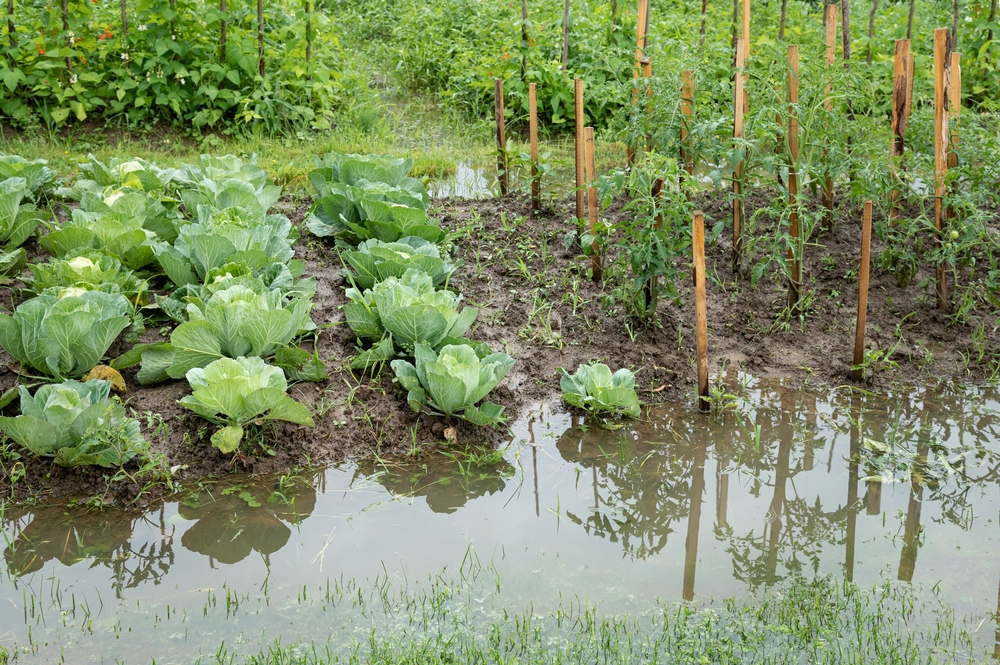
Water should nourish plants, not drown them. When soil holds too much moisture, roots struggle to breathe and slowly decline. Many gardens look healthy on the surface while hidden water buildup quietly damages everything below. Poor drainage ranks among the most overlooked causes of plant loss in home landscapes. Fixing it transforms struggling beds into stable, balanced growing spaces.
Gardens often fail because water refuses to move through soil the way it should. Clay-heavy ground, compacted beds, and poorly designed containers trap moisture around roots. That trapped water creates stress that weakens plants over time. Once gardeners recognize drainage issues early, they prevent long-term damage and costly replacements.
Why Drainage Makes or Breaks Garden Health
Water movement in soil determines how roots access oxygen, nutrients, and stability. Healthy soil allows rain or irrigation to pass through while retaining just enough moisture for plant use. When water lingers too long, roots suffocate and lose their ability to absorb nutrients. That imbalance leads to stunted growth and frequent plant failure across gardens of all sizes.
Drainage also controls how soil organisms function beneath the surface. Beneficial microbes depend on oxygen-rich environments to break down organic matter and support plant nutrition. Saturated soil disrupts that process and creates conditions where harmful pathogens spread quickly. A garden with poor drainage quickly shifts from balanced ecosystem to stressed environment that struggles to recover.
The Hidden Warning Signs of Poor Soil Drainage
Puddles that linger long after rain signal a drainage issue right away. Soil that stays soggy for days often indicates compaction or excessive clay content. Plants growing in those areas may yellow, wilt, or drop leaves even when gardeners water carefully. These visible clues reveal that roots struggle beneath the surface.
Another warning sign appears when soil develops a sour or swamp-like smell. That odor comes from oxygen-starved microbes breaking down organic matter in unhealthy conditions. Mushy roots often accompany that smell when gardeners pull up affected plants. Gardens that show these patterns need immediate drainage improvements to prevent further losses.
How Overwatering and Heavy Soil Create Trouble
Excess watering compounds drainage problems and pushes soil beyond its natural limits. Many gardeners assume more water improves plant health, but saturated soil creates the opposite effect. Roots sit in stagnant moisture and lose access to oxygen, which leads to decay. Careful watering habits protect plants better than frequent soaking.
Heavy soils, especially those rich in clay, worsen water retention issues. Clay particles pack tightly together and leave little space for airflow or drainage. When rain or irrigation enters, it struggles to move downward and instead pools around roots. Mixing organic matter into these soils helps break up density and improves long-term water flow.
Smart Soil Fixes That Improve Water Flow Fast
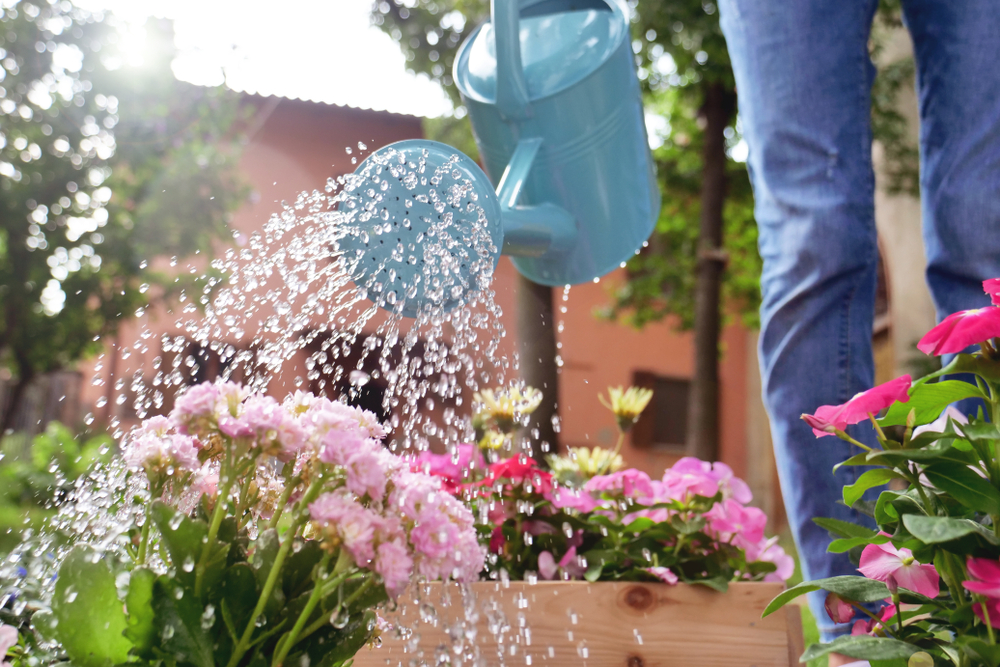
Adding compost creates one of the fastest ways to improve drainage in garden beds. Organic material loosens compacted soil and creates channels that allow water to move more freely. Over time, earthworms and microbes continue breaking down compost and improving structure. Gardens benefit from this natural aeration without relying on synthetic products.
Raised beds also solve drainage problems in areas with stubborn soil conditions. Elevating soil allows gravity to pull water away from roots more effectively. Gardeners who build raised systems gain better control over soil composition and moisture levels. This method works especially well in regions with heavy rainfall or dense clay ground.
Container Gardening Drainage Mistakes to Avoid
Pots without drainage holes quickly turn into root traps. Water collects at the bottom and creates constant saturation that damages plant roots. Many decorative containers skip proper drainage design, which leads to silent plant decline. Choosing containers with adequate holes prevents this issue from the start.
Another common mistake involves using dense potting mixes that hold too much moisture. Soil designed for garden beds often fails in containers because it lacks airflow. Mixing perlite or bark into potting soil improves structure and prevents water buildup. Containers perform best when gardeners match soil type with proper drainage materials.
Landscape Grading and Outdoor Water Control Tricks
Yards with flat or uneven grading often trap water in low spots. That standing water eventually spreads disease and weakens nearby plants. Adjusting slope allows rainwater to flow away from sensitive garden areas. Even small changes in elevation can dramatically improve drainage patterns.
Installing simple drainage channels also helps control excess water during heavy storms. Gravel-filled trenches or swales guide runoff away from plant roots and toward safer areas. These systems reduce soil saturation without requiring major reconstruction. Thoughtful yard design turns unpredictable water flow into a manageable system.
The Drainage Habit That Saves Plants Long-Term
Consistent observation builds the strongest defense against drainage-related plant loss. Gardeners who check soil moisture regularly catch problems before they escalate. Simple tools like a soil probe or even a finger test help track moisture levels below the surface. That habit prevents overwatering and supports healthier root systems over time.
What drainage challenges have caused the most trouble in your home gardens, and which fixes made the biggest difference?
You May Also Like…
Why Poor Drainage Leads to Root Rot and Stunted Growth
How to Test Soil Drainage Before Planting
5 Cheap Garden Path Ideas That Improve Access and Drainage
6 Water-Efficient Choices That Reduce Usage
8 Drought-Resistant Picks That Reduce Water Needs

Brandon Marcus is a staff writer for FrugalGardening.com at District Media, Inc., where he delivers practical gardening advice with a relatable, no-nonsense style. An avid amateur gardener, he holds a BA degree and with over ten years of professional writing experience, he is also an award-winning published author whose first book, Questions For Deep Thinkers, was released by Adams Media. His work has appeared in major publications including Fandom.com, CHUD.com, TheColdWire.com, and Fansided.com.
Leave a Reply