Late spring heat opens a golden window for gardeners who want fast, reliable crops without the stress of transplant shock. Many warm-weather vegetables perform better when seeds go straight into the soil instead of starting in trays indoors. Direct sowing helps roots establish naturally, which leads to stronger plants that handle summer heat with confidence. Garden beds warm quickly this time of year, giving seeds the perfect push to sprout and grow without delay. Skipping transplants also saves time, reduces costs, and avoids the frustration of leggy seedlings.
Direct sowing also matches how these plants grow in nature, where seeds drop straight into soil and develop in place. Gardeners often notice fewer setbacks with pests and diseases when plants never experience the stress of transplanting. Soil temperature plays a major role, and many warm-season crops respond best when the soil reaches at least 65°F. Outdoor conditions encourage steady growth from day one, which helps plants mature faster during the peak of summer. Timing matters, and late spring into early summer creates ideal conditions for sowing success.
Beans Love Simple Soil and Steady Warmth
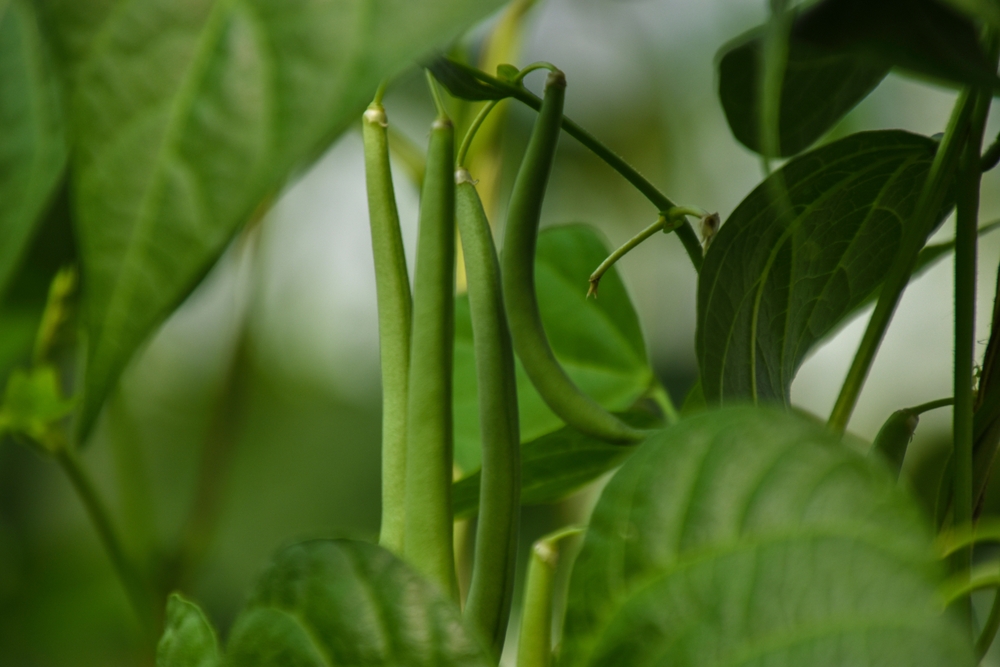
Beans rank among the easiest vegetables to grow because they respond quickly to warm soil and consistent moisture. Direct sowing works best because bean roots dislike disturbance and struggle after transplanting. Gardeners can plant seeds about one inch deep, spacing them evenly to allow airflow and easy harvesting later. Soil temperatures above 60°F trigger fast germination, often within a week under good conditions. Bush and pole varieties both reward patience with steady, productive growth throughout summer.
Pole beans climb naturally and benefit from a simple trellis system placed at planting time. Bush beans stay compact and produce earlier harvests, which makes them perfect for smaller gardens. Watering at soil level helps reduce leaf diseases and keeps plants productive during heat waves. Many gardeners plant successive rounds every two weeks to extend harvests well into late summer. Beans reward consistency, and direct sowing sets the stage for a reliable, high-yield crop.
Cucumbers Deliver Fast Growth Straight From Seed
Cucumbers grow quickly when seeds go directly into warm soil, and they often catch up or surpass transplanted starts. Direct sowing prevents root disturbance, which cucumbers strongly dislike and rarely recover from well. Plant seeds about one inch deep in mounds or rows to improve drainage and warmth. Germination speeds up when soil stays consistently moist and temperatures rise above 70°F. Healthy cucumber vines spread fast, producing crisp fruit in a surprisingly short time.
Gardeners often place trellises early to support vertical growth and improve air circulation around leaves. Vertical growing also reduces disease pressure and keeps fruit cleaner during harvest. Consistent watering plays a key role because cucumbers contain high water content and respond quickly to dry soil. Early pest monitoring helps prevent cucumber beetles from damaging young plants. Direct sowing gives cucumbers a strong start that supports rapid vine development and steady fruiting.
Zucchini Produces Best When Roots Stay Undisturbed
Zucchini seeds germinate quickly in warm soil and often push through the ground within days. Direct sowing allows roots to expand without restriction, which supports the large leaves and heavy fruit load zucchini produces. Gardeners should space seeds generously because mature plants need room to spread. Soil temperatures above 65°F encourage strong early growth and reduce the risk of rot. Zucchini rewards gardeners with fast harvests when planted under stable outdoor conditions.
Frequent harvesting keeps plants productive and prevents oversized fruit from slowing production. Pollination plays an important role, and gardeners often spot bees working early morning blooms. Companion planting with flowers helps attract pollinators and improves fruit set. Consistent watering at the base of plants reduces powdery mildew risks during humid weather. Direct sowing gives zucchini the strongest possible start during its most active growing phase.
Corn Demands Warm Soil and Confident Planting Timing
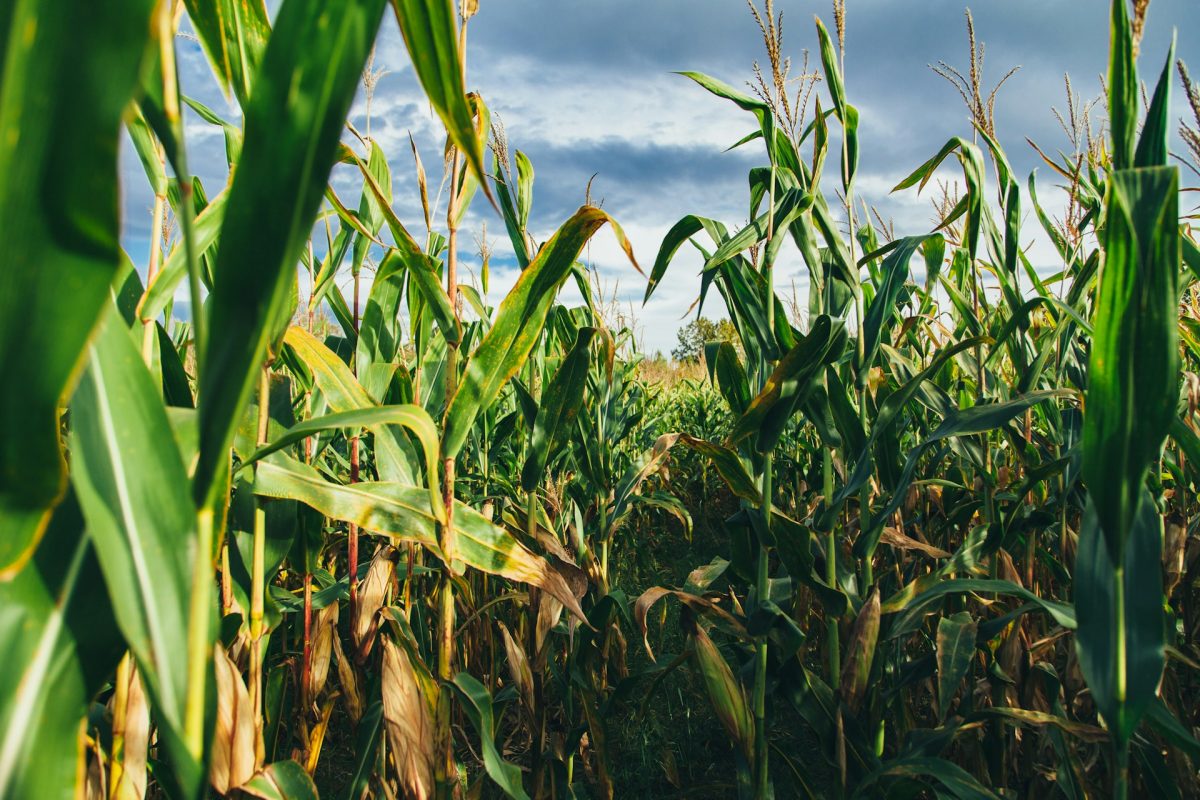
Corn seeds respond strongly to warm soil and struggle when planted too early in cool ground. Direct sowing ensures each seed develops a deep root system that supports tall stalk growth. Gardeners should plant seeds in blocks rather than single rows to improve pollination rates. Soil temperatures above 60°F create reliable germination and strong early growth. Corn depends on wind pollination, so grouping plants closely improves kernel formation.
Spacing rows properly helps sunlight reach each stalk and supports strong airflow through the crop. Consistent watering becomes critical during tasseling and ear development stages. Fertilizer applications during early growth help support rapid vertical development. Many gardeners stagger plantings to extend harvest windows through late summer. Direct sowing gives corn the stability it needs to reach full height and produce full ears.
Melons Need Heat, Space, and Direct Root Development
Melons perform best when seeds go straight into warm garden soil instead of containers. Transplant shock often slows melon growth, which delays fruit development during peak summer heat. Direct sowing allows roots to expand deeply and access consistent moisture underground. Seeds germinate best when soil temperatures stay above 70°F and receive full sun exposure. Strong early growth sets the foundation for sweet, juicy fruit later in the season.
Vines spread quickly, so gardeners should plan wide spacing or use raised beds for better control. Pollination depends heavily on bees, so flowering plants nearby improve fruit production. Watering deeply but less frequently encourages deeper root systems and stronger vines. Mulching around plants helps maintain soil warmth and reduces weed competition. Direct sowing gives melons the uninterrupted growth cycle they need for flavorful harvests.
Okra Handles Heat Like a Champion Crop
Okra seeds germinate reliably in hot soil where many other vegetables struggle. Direct sowing works best because okra develops a strong taproot that dislikes disturbance. Gardeners should plant seeds about one inch deep once soil temperatures exceed 70°F. Plants grow quickly in full sun and tolerate dry conditions better than most garden vegetables. Okra rewards warm climates with steady pod production through the hottest months.
Frequent harvesting encourages new pods and keeps plants productive longer into the season. Sturdy stems support tall growth, which helps plants withstand wind and summer storms. Minimal fertilization works well because excess nitrogen can reduce pod formation. Companion planting with basil or marigolds helps improve garden balance and pest control. Direct sowing gives okra the strong foundation it needs for reliable summer harvests.
Squash Builds Strength When Planted Directly in Garden Beds
Squash seeds germinate quickly in warm soil and produce vigorous vines that dislike transplant stress. Direct sowing allows roots to establish deeply, which supports large leaves and heavy fruit loads. Gardeners should space seeds generously because squash plants expand rapidly across garden beds. Soil temperatures above 65°F encourage fast sprouting and healthy early growth. Strong sunlight and warm soil create ideal conditions for consistent squash production.
Pollinators play a major role in fruit development, so flowers and herbs nearby help improve yields. Regular harvesting prevents plants from becoming overloaded and slows down production. Watering at the base reduces leaf diseases that often appear during humid weather. Mulching helps stabilize soil moisture and keeps weeds under control. Direct sowing gives squash the steady start needed for abundant summer harvests.
The Smart Timing Advantage for Direct Sowing Success
Warm-season vegetables respond best when gardeners align planting with soil temperature instead of the calendar. Direct sowing removes transplant stress and allows roots to develop naturally from day one. Consistent warmth, sunlight, and moisture create the conditions these crops rely on for strong growth. Many gardeners notice stronger yields when they skip indoor starts and plant directly outdoors. Timing the garden right now sets the stage for a productive and efficient summer harvest.
What warm-weather vegetable gets the most reliable results in the garden, and what planting tricks help improve harvests? Let’s share our thoughts and experiences in the comments below.
You May Also Like…
Never Overcrowd Again: The Simple Guide to Spacing Your Vegetables for Bigger Harvests
7 Vegetables That Germinate Fast Even in Unpredictable Spring Weather
Beat Grocery Inflation: The 5 Most Expensive Vegetables to Buy (And Easiest to Grow)
The Transplant Shock Issue and How to Prevent It
How to Grow Tomatoes Successfully Without Buying Store Transplants

Brandon Marcus is a staff writer for FrugalGardening.com at District Media, Inc., where he delivers practical gardening advice with a relatable, no-nonsense style. An avid amateur gardener, he holds a BA degree and with over ten years of professional writing experience, he is also an award-winning published author whose first book, Questions For Deep Thinkers, was released by Adams Media. His work has appeared in major publications including Fandom.com, CHUD.com, TheColdWire.com, and Fansided.com.
Leave a Reply