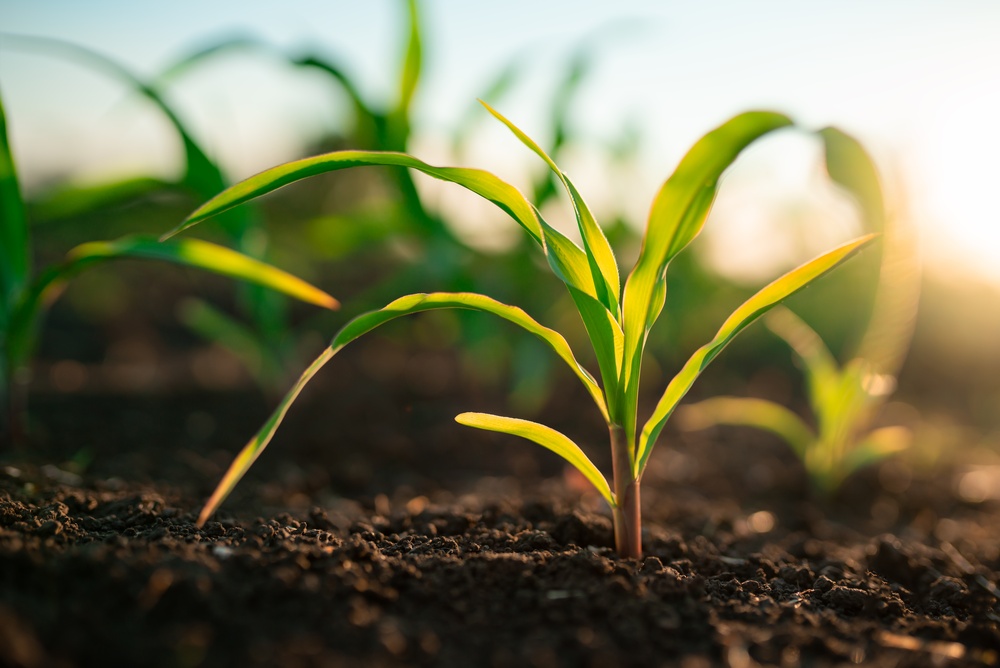
Gardens can look perfect on the surface while struggling beneath it, and that hidden struggle often traces back to one overlooked mistake. Plants may sprout, leaf out, and even bloom, yet still fail to reach their full potential in size, strength, or yield. Many gardeners focus heavily on sunlight and watering schedules while missing what happens below the soil line. That’s where the real story of plant growth begins, and where small missteps create long-term setbacks. Fixing this one issue can completely change how productive and vibrant a garden becomes.
Plants rely on a balanced environment that supports both root expansion and nutrient absorption. When that balance tips in the wrong direction, growth slows in ways that often get blamed on weather or plant variety. The real culprit usually hides in plain sight, quietly affecting every stage of development. Once gardeners spot it, they often wonder how it went unnoticed for so long. The good news is that correcting it doesn’t require expensive tools or complicated systems, just smarter habits and a closer look at how soil and roots interact.
The Hidden Problem Below the Soil Surface
Soil compaction stands as one of the most overlooked barriers to healthy plant growth, yet it affects gardens of all sizes. Heavy foot traffic, repeated watering patterns, and untreated clay soil often press particles tightly together. Roots struggle to push through this dense environment, which limits their ability to access oxygen and nutrients. Plants may appear healthy above ground while quietly stalling beneath the surface. This mismatch often confuses gardeners who expect visible symptoms before adjusting their care routine.
Compacted soil also disrupts water movement, causing either pooling or rapid runoff instead of steady absorption. In many gardens, this leads to shallow root systems that weaken plants during heat waves or dry spells. Aeration techniques like broadforking or adding organic matter such as compost can dramatically improve soil structure. Even simple mulching helps reduce compaction by cushioning the impact of rain and irrigation. Strong root development depends on loose, living soil that encourages deep exploration rather than surface-level survival.
Watering Habits That Quietly Stunt Growth
Watering mistakes often hide behind good intentions, especially when gardeners aim for consistency without checking soil conditions. Frequent shallow watering encourages roots to stay near the surface, where moisture appears most available. This habit creates dependency on constant irrigation and leaves plants vulnerable during short dry periods. Deep watering sessions spaced further apart promote stronger root systems that reach deeper moisture reserves. The difference between these two approaches often determines whether a garden struggles or performs with confidence.
Overwatering creates another hidden barrier by reducing oxygen in the root zone. When soil stays saturated for too long, roots begin to suffocate and lose their ability to absorb nutrients efficiently. Yellowing leaves and slow growth often signal this issue, even when gardeners assume they need to add more water. Adjusting watering schedules based on soil moisture checks, not fixed calendars, helps correct this imbalance. A simple finger test or moisture meter can prevent long-term damage and restore healthier growth patterns.
Spacing and Root Competition Most Gardeners Miss
Crowded plants compete aggressively for light, water, and nutrients, which limits their overall growth potential. Many gardeners underestimate how large mature plants become, especially when starting from small seedlings. Tight spacing may look efficient early in the season, but it quickly leads to shading and resource depletion. Air circulation also suffers, increasing the risk of fungal diseases that spread easily through dense foliage. Proper spacing allows each plant to access its own growing zone without unnecessary competition.
Root systems expand far beyond what appears above ground, often intertwining when planted too closely. This underground competition forces plants to fight for the same nutrient pools, reducing overall productivity. Even fast-growing crops like lettuce or tomatoes show weaker yields when overcrowded. Seed packets and plant guides offer spacing recommendations for a reason, and ignoring them often leads to disappointing results. Giving plants room to grow supports stronger structure, healthier foliage, and more reliable harvests.
Fixing the Growth Mistake for Stronger Garden Results
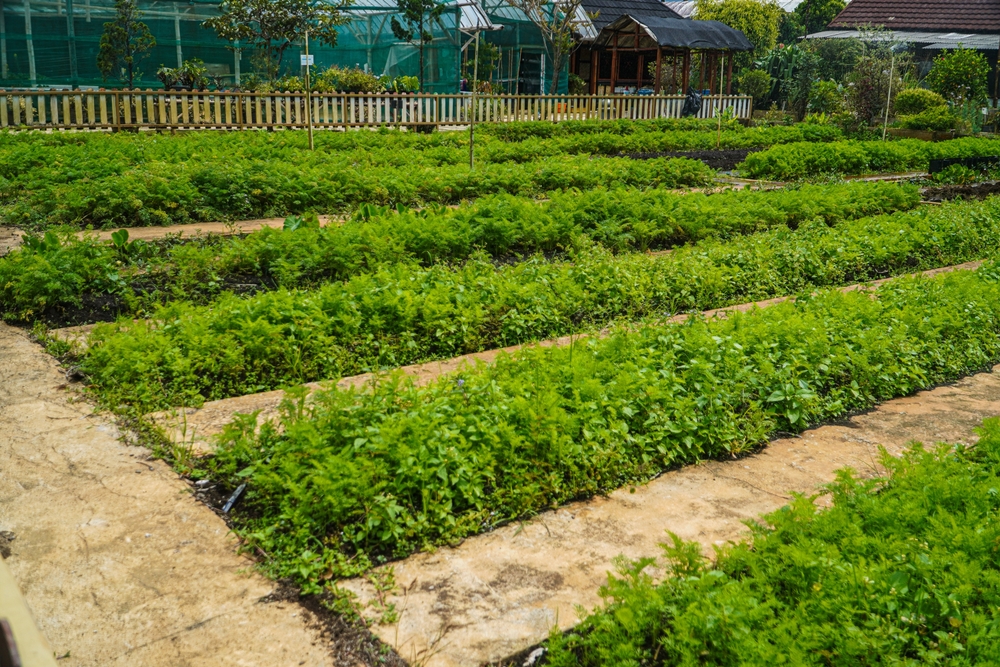
Healthy garden growth depends on building a strong foundation rather than constantly reacting to visible problems. Soil health, watering depth, and proper spacing work together to determine how well plants perform throughout the season. When gardeners correct soil compaction, adjust watering habits, and respect plant spacing, they remove the biggest barriers to success. These changes often produce noticeable improvements within just a few weeks of consistent application. Stronger roots, greener foliage, and better yields quickly follow once the environment supports natural growth patterns.
What gardening habit has made the biggest difference in plant growth in your experience, and what surprising lesson came with it?
You May Also Like…
The Overwatering Issue That Weakens Root Systems
The Morning Watering Rule: Why Timing Impacts Growth More Than Quantity
5 Maintenance Habits That Keep Growth Consistent
Why Nutrient Timing Impacts Growth More Than Quantity
The Growth Slowdown Problem During Seasonal Transitions

Brandon Marcus is a staff writer for FrugalGardening.com at District Media, Inc., where he delivers practical gardening advice with a relatable, no-nonsense style. An avid amateur gardener, he holds a BA degree and with over ten years of professional writing experience, he is also an award-winning published author whose first book, Questions For Deep Thinkers, was released by Adams Media. His work has appeared in major publications including Fandom.com, CHUD.com, TheColdWire.com, and Fansided.com.
Leave a Reply