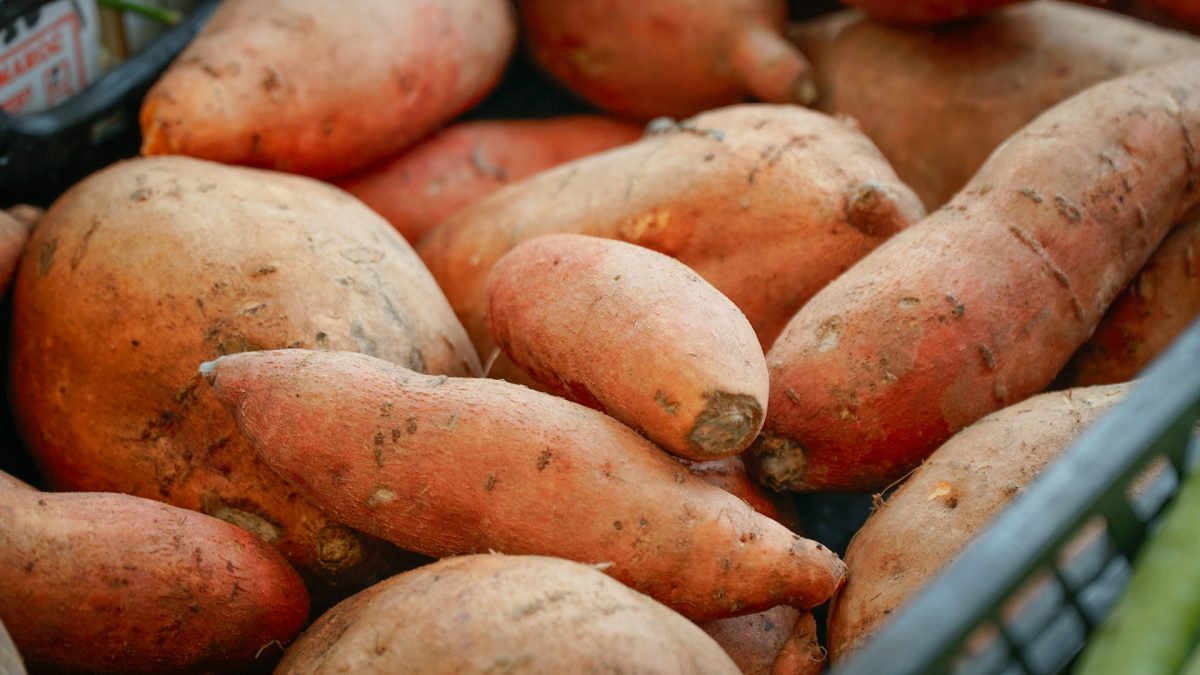
A late start in the garden does not shut the door on a strong harvest of sweet potatoes and pumpkins. Many gardeners assume spring planting holds all the magic, yet warm-weather crops still respond well when planted with smart timing and care. Soil temperature, sunlight, and quick-growing strategies matter far more than the calendar date on the wall. Sweet potatoes and pumpkins love heat, and they can still produce a rewarding yield when given the right push. A few clever adjustments can turn a “late” season into a surprisingly productive one.
Budget-minded gardeners also gain a real advantage when they plant now instead of waiting for next year. Seed prices, slips, and starter plants often drop as nurseries clear inventory, which opens the door for savings. Garden soil already warmed by summer sun also reduces the need for extra heating tricks or expensive equipment. Even small spaces like patios, raised beds, or containers can support these crops when planning stays intentional. Smart timing paired with simple techniques can stretch both the season and the budget.
Warm Soil Still Gives Sweet Potatoes a Fighting Chance
Sweet potatoes respond directly to heat, so soil temperature drives success more than anything else in their growth cycle. Gardeners can still plant slips as long as soil temperatures stay consistently above 65°F, which often continues into late summer in many regions. The vines grow quickly once roots settle, and they spread wide without demanding constant attention. A well-draining bed helps prevent rot and supports steady tuber formation underground. Even a delayed planting can still produce a solid harvest before the first frost arrives.
Spacing also plays a major role in late planting success because overcrowding limits tuber development. Gardeners should place slips about 12 to 18 inches apart and keep rows loose to allow vines to roam freely. Mulch helps lock in warmth and reduces moisture loss, which supports faster root development during warm spells. Organic compost adds a slow-release nutrient boost that strengthens root systems without overwhelming the soil. A late start still delivers strong results when soil stays warm and roots get room to expand.
Pumpkin Plants Respond Fast When Heat Lingers
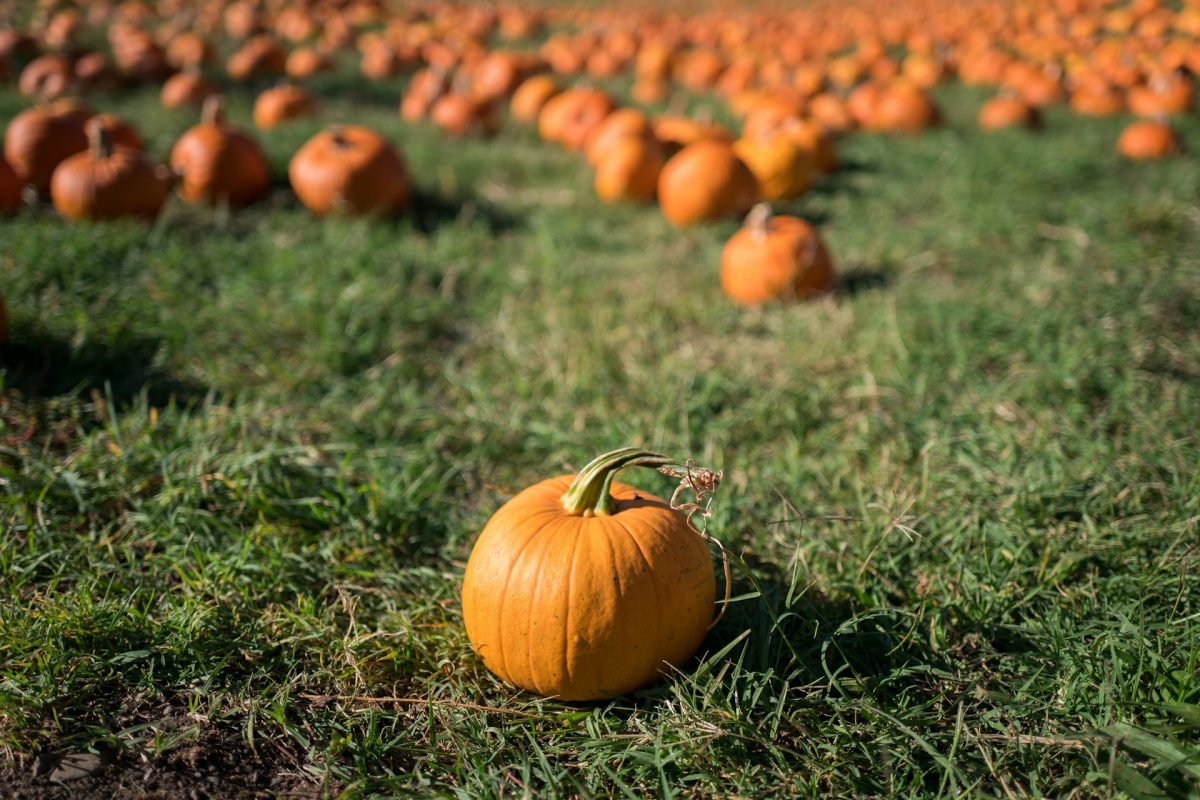
Pumpkins grow at a surprising speed once they settle into warm soil and receive steady sunlight. Many varieties still mature in 75 to 100 days, which allows late plantings to catch up if frost arrives late in the season. Gardeners can choose smaller pumpkin varieties to improve the odds of a successful harvest within a shorter window. Direct sowing seeds often works better than transplanting because pumpkins dislike root disturbance. A sunny spot with at least six hours of light each day gives vines the energy they need to push growth quickly.
Soil preparation also shapes how well pumpkins handle a late start in the garden. Rich compost mixed into planting areas boosts soil fertility without requiring expensive fertilizers. Watering deeply two to three times per week encourages strong root systems instead of shallow growth. Gardeners can also train vines outward to reduce crowding and improve airflow across the patch. These steps help pumpkins develop steadily even when planting begins later than ideal.
Smart Savings Strategies for Late-Season Gardeners
Late-season gardening opens several opportunities to save money while still producing a strong harvest. Garden centers often discount seeds, seedlings, and gardening supplies as summer winds down, which helps stretch gardening budgets further. Compost bins, mulch bags, and soil amendments also appear in clearance sections, especially in big box stores and local nurseries. Gardeners can reuse household materials like cardboard and kitchen scraps to improve soil quality without extra spending. These small adjustments reduce costs while still supporting healthy plant growth.
Container gardening also helps control expenses by limiting the amount of soil and fertilizer needed. Large buckets, storage bins, and repurposed planters can support both sweet potatoes and compact pumpkin varieties. A single well-prepared container can produce more food than expected when placed in full sun. Gardeners also save water costs by grouping containers together and using mulch to slow evaporation. Smart material choices turn late planting into a budget-friendly gardening opportunity instead of a costly experiment.
Small Spaces Still Produce Big Harvest Energy
Limited space does not stop sweet potatoes and pumpkins from producing impressive results when gardeners plan carefully. Vertical support systems for pumpkins, such as sturdy trellises, allow vines to climb and save valuable ground space. Sweet potatoes adapt well to raised beds and large grow bags, which make soil control easier in tight areas. Even balconies or patios can support productive container setups when sunlight hits consistently throughout the day. Creative layout planning turns small spaces into efficient growing zones.
Timing also plays a huge role in maximizing production in compact gardens. Fast-growing pumpkin varieties and early-harvest sweet potato slips increase the chance of success before cold weather arrives. Gardeners can stagger planting in small batches to extend harvest periods and reduce risk from sudden weather changes. Companion planting with herbs like basil or marigold also helps protect crops from pests without extra costs. Small-space gardening rewards careful planning more than large-scale planting ever could.
Late Starts Still Deliver Strong Harvest Rewards
A late gardening start does not limit success when growers focus on heat-loving crops and smart techniques. Sweet potatoes and pumpkins both respond quickly to warm soil, steady watering, and nutrient-rich conditions. Even shortened growing windows still allow for meaningful harvests when gardeners act with purpose and consistency. Cost-saving strategies like repurposed containers and discounted supplies also make late planting more accessible. Every stage of growth benefits from intentional care rather than perfect timing.
What crops would you try planting late in the season, and which gardening hacks help stretch your harvest the most? Share your thoughts and experiences in the comments below.
You May Also Like…
8 Late Season Picks That Still Produce
8 Seasonal Favorites That Perform Best in Late Spring
Stop Pulling These ‘Weeds’—Comfrey and Nettles Can Fertilize Your Garden
7 Quick-Germinating Seeds That Deliver Fast Results
8 Warm Climate Favorites That Handle Heat Easily

Brandon Marcus is a staff writer for FrugalGardening.com at District Media, Inc., where he delivers practical gardening advice with a relatable, no-nonsense style. An avid amateur gardener, he holds a BA degree and with over ten years of professional writing experience, he is also an award-winning published author whose first book, Questions For Deep Thinkers, was released by Adams Media. His work has appeared in major publications including Fandom.com, CHUD.com, TheColdWire.com, and Fansided.com.
Leave a Reply