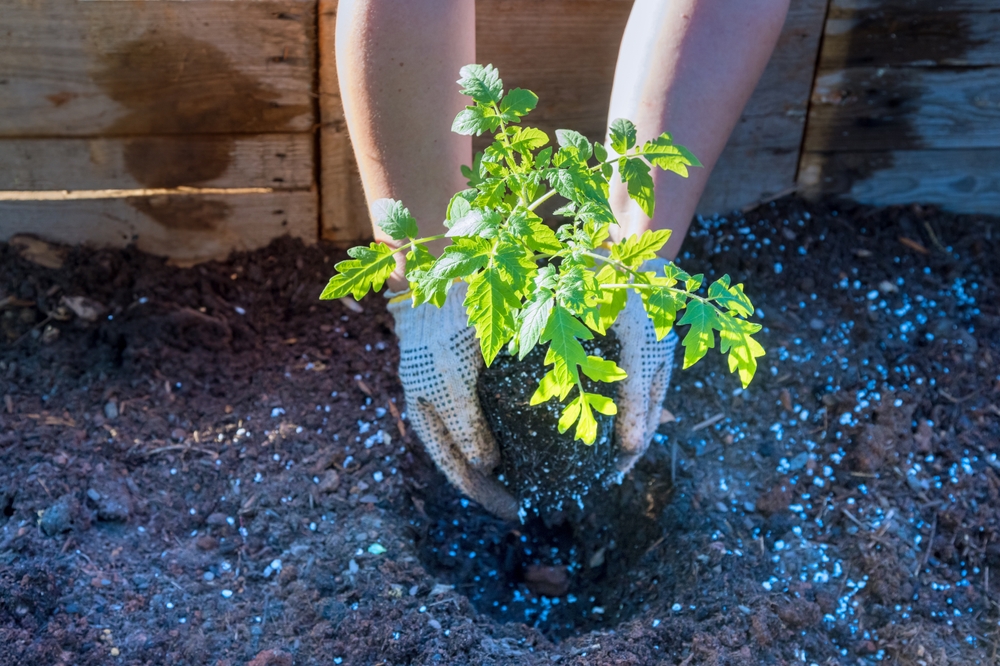
Gardening looks simple from the outside, but every sprout tells a different story once seeds hit the soil. New gardeners often feel excited at first, then quickly run into droopy leaves, stubborn soil, or plants that refuse to grow the way expected. The good news shows up fast: small changes in technique create big improvements in plant performance. A few smart habits turn frustration into steady progress and healthier gardens.
This guide breaks down practical, real-world tips that make gardening easier from day one. Each tip focuses on actions that improve soil, water use, plant health, and long-term results. Beginners gain confidence faster when they follow clear steps instead of guessing their way through every problem. Let’s dig into the habits that set strong gardeners apart.
1. Pick the Right Plants for Your Space
Choosing the right plants for your garden is key and perhaps the first thing you should do. Get started by matching plants to sunlight levels in the yard or balcony. Remember that tomatoes love full sun, while leafy greens tolerate partial shade much better. Local climate also matters because frost dates and heat waves shape what grows well. Gardeners who choose suitable plants avoid constant setbacks and wasted effort. Strong plant choices build momentum from the start.
Soil type also plays a big role in plant success. Sandy soil drains quickly while clay soil holds water longer. Herbs like rosemary prefer drier conditions, while lettuce enjoys consistent moisture. Gardeners who observe their space closely make smarter plant selections. Good matches reduce stress and improve results across the entire garden.
2. Start Small and Build Confidence
Here’s a mistake to avoid: new gardeners often plant too much at once and struggle to keep up. A small raised bed or a few containers creates a manageable starting point. Each plant receives better attention when the garden stays compact. Success builds faster when effort stays focused. Remember that small wins lead to long-term gardening skills.
A limited setup also helps identify problems quickly. Pest issues, watering mistakes, or soil imbalances show up faster in smaller spaces. Fixing issues early prevents widespread damage. Keep it simple because gardeners learn faster when they observe fewer variables at the same time.
3. Focus on Soil Health First
Healthy soil acts like the foundation of every successful garden. Compost improves structure, adds nutrients, and supports beneficial organisms. Gardeners who enrich soil early see stronger roots and more consistent growth. Plants respond directly to what sits beneath them. Good soil work always pays off.
Testing soil pH helps match plants with the right environment. Blueberries prefer acidic soil, while many vegetables prefer neutral conditions. Simple soil kits reveal important details quickly. Adjustments like lime or sulfur correct imbalances before planting begins. Better soil planning reduces plant stress from day one.
4. Water With Consistency, Not Guesswork
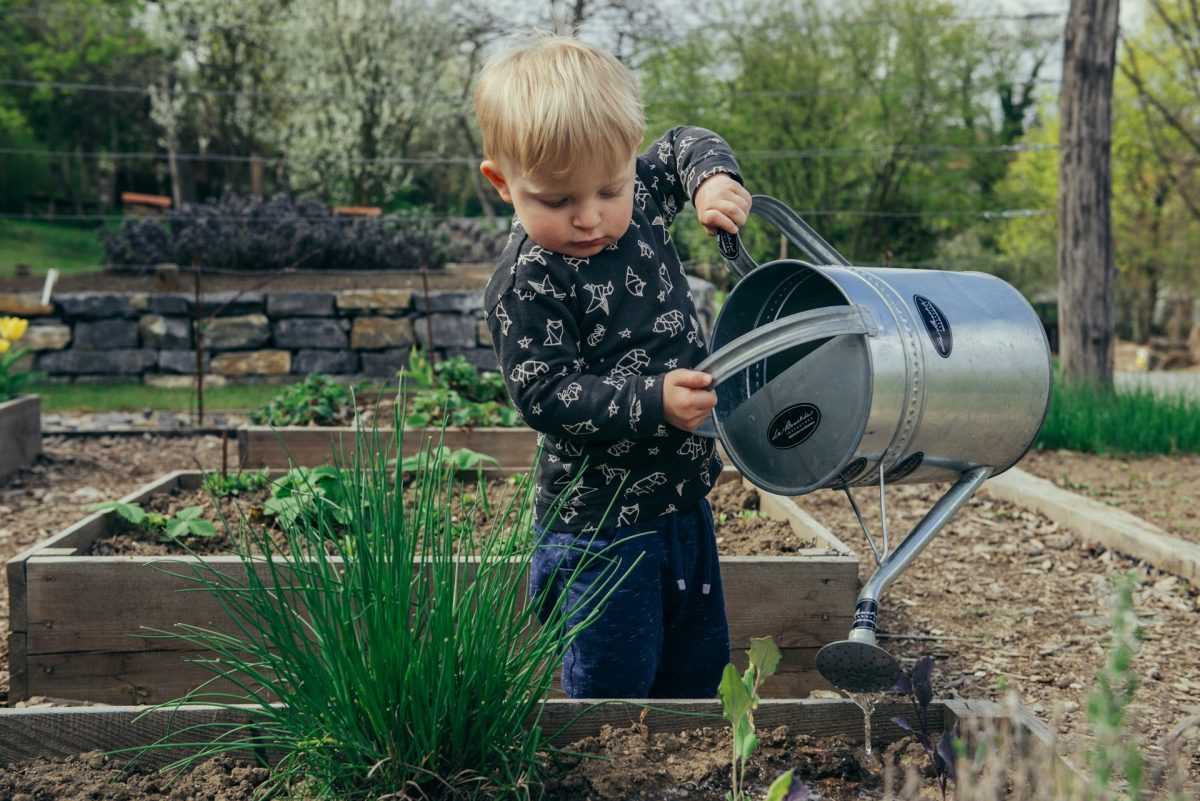
Plants perform better when watering follows a steady rhythm. Deep watering encourages roots to grow downward instead of staying shallow. Morning watering reduces evaporation and lowers disease risk. Gardeners who stay consistent avoid wilting and dry stress cycles. Reliable watering builds stronger plants.
Overwatering causes just as many problems as underwatering. Yellow leaves and soggy soil often signal too much moisture. Checking soil before watering prevents unnecessary mistakes. A finger test two inches deep works better than guessing. Balanced moisture keeps plants stable and productive.
5. Learn Sun Patterns Before Planting
Sunlight shifts across the yard throughout the day, and plants react strongly to those changes. Some spots receive six or more hours of direct sun, while others stay shaded. Tracking sunlight for a full day helps gardeners plan placement wisely. Proper positioning boosts growth and reduces plant stress. Light mapping saves time and effort.
Vegetables like peppers and cucumbers demand strong sun exposure. Shade-loving plants like spinach prefer cooler spots with filtered light. Misplacing plants leads to weak growth and poor yields. Observing sun movement prevents those mistakes early. Smart placement improves results without extra work.
6. Feed Plants With Purpose
Fertilizer supports growth, but timing and balance matter more than quantity. Overfeeding leads to weak stems and excessive leaf growth. Slow-release fertilizers provide steady nutrition without sudden spikes. Gardeners who follow feeding schedules avoid plant shock. Controlled feeding produces healthier development.
Organic options like compost tea and worm castings offer gentle nutrition. These options improve soil biology while feeding plants. Synthetic fertilizers work faster but require careful use. Matching fertilizer type to plant stage improves outcomes. Thoughtful feeding builds stronger gardens over time.
7. Watch for Pests Early and Often
Pests rarely appear overnight, even if damage shows up suddenly. Regular plant checks help spot early signs like holes, discoloration, or sticky residue. Catching issues early limits plant damage significantly. Gardeners who inspect leaves and stems stay ahead of infestations. Observation becomes a powerful tool.
Natural pest control options include neem oil, insecticidal soap, and companion planting. Marigolds help deter certain insects when planted near vegetables. Hand removal works well for larger pests like caterpillars. Quick action prevents small problems from turning into garden-wide issues. Early response protects harvest quality.
8. Keep a Simple Garden Journal
A garden journal helps track what works and what fails over time. Notes about planting dates, weather, and plant performance reveal useful patterns. Gardeners improve faster when they review past results and simple records prevent repeated mistakes. Plus, written observations strengthen your future decisions in the garden.
Photos also help document progress throughout the season. A quick snapshot shows changes more clearly than memory alone. Tracking harvest dates highlights which crops perform best. Consistent journaling builds long-term gardening skill. Better records lead to better gardens.
The Garden Groove That Keeps Plants Happy
Gardening success grows from steady habits rather than complicated tricks. Beginners improve quickly when they focus on soil, water, light, and timing. Each small adjustment builds stronger plants and more reliable harvests. Mistakes still happen, but they turn into useful lessons instead of setbacks. Consistency creates momentum that carries every garden forward.
What gardening tip made the biggest difference in your own experience, and which one will you try next season?
You May Also Like…
5 Disease Prevention Tips That Actually Work
5 Easy Crops for First-Time Gardeners
7 Budget Tools Every Gardener Needs for Safe, Clean Shrub Pruning
5 Beginner Errors That Reduce Yields in Spring Gardens
7 Pest Problems That Begin Long Before You See the Damage

Brandon Marcus is a staff writer for FrugalGardening.com at District Media, Inc., where he delivers practical gardening advice with a relatable, no-nonsense style. An avid amateur gardener, he holds a BA degree and with over ten years of professional writing experience, he is also an award-winning published author whose first book, Questions For Deep Thinkers, was released by Adams Media. His work has appeared in major publications including Fandom.com, CHUD.com, TheColdWire.com, and Fansided.com.
Leave a Reply