Gardeners often pour energy into choosing the richest fertilizer blends, yet plants do not respond to nutrients on a simple “more equals better” scale. Timing often controls how effectively roots absorb what soil offers, and that timing can make or break a growing season. A tomato plant can receive a perfect fertilizer mix and still struggle if nutrients arrive when roots cannot use them efficiently. Smart gardeners focus on when nutrients enter the soil, not just what goes into it. This shift in thinking changes results fast in backyard beds, raised planters, and container gardens alike.
Plants follow natural cycles driven by light, temperature, and internal rhythms. These cycles shape how roots, stems, and leaves process nutrients throughout the day and across the season. When gardeners match feeding schedules to those cycles, plants respond with stronger structure, faster leaf development, and more reliable flowering. The difference shows up quickly in leaf color, stem thickness, and overall plant vigor.
Nutrient Timing Works Like a Daily Schedule for Plant Roots
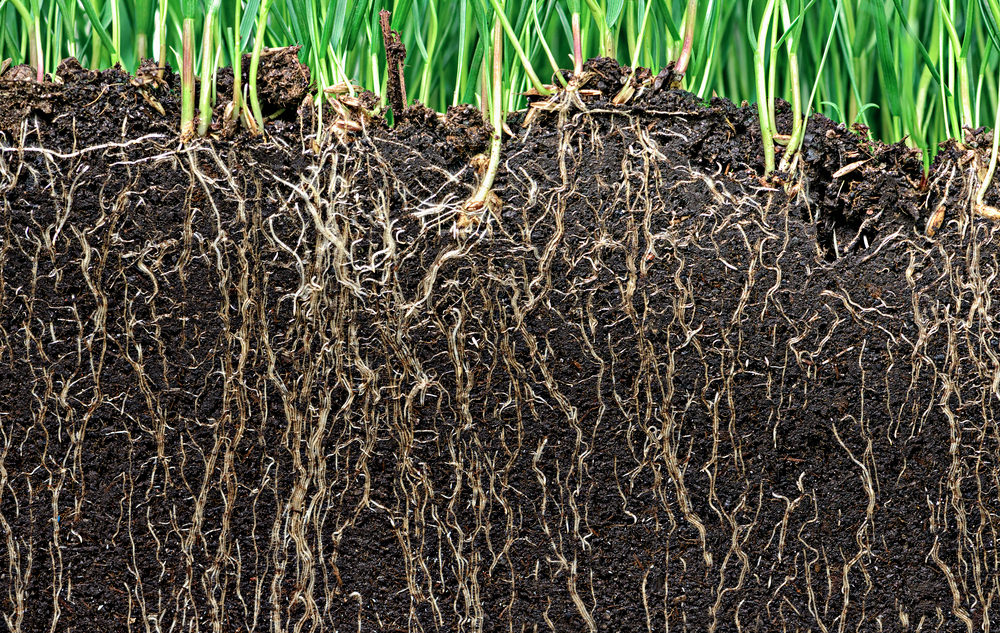
Plant roots operate on a schedule that shifts with sunlight and soil temperature, so nutrient availability must match those rhythms. Morning hours often support active uptake because plants increase transpiration as sunlight rises, which pulls water and dissolved nutrients upward. Evening feeding often leads to wasted nutrients because plants slow their internal movement as temperatures drop. Gardeners who align feeding with morning activity often notice stronger leaf expansion and quicker recovery from stress. This schedule-based approach gives plants a steady supply when they actually demand it.
Soil microbes also play a major role in nutrient release, and they follow temperature patterns just like plants. Warm, active soil breaks down organic matter faster and releases nutrients in forms roots can absorb. Cold or overly wet soil slows microbial activity and traps nutrients in unusable states. Timing fertilizer applications during active soil periods increases efficiency without increasing quantity. This rhythm-based strategy allows gardeners to do less while achieving better plant response.
Plant Growth Cycles Demand Precision, Not Excess Feeding
Plants do not grow at a constant rate, so nutrient demand rises and falls throughout each growth stage. Early vegetative growth requires higher nitrogen availability, while flowering stages demand more phosphorus and potassium at specific intervals. Applying nutrients without regard to these stages often creates imbalance, leading to leafy growth with weak fruiting or poor root development. Gardeners who align nutrients with growth phases guide plants toward balanced development. This approach creates stronger structural integrity and more predictable harvests.
Environmental conditions also influence how plants use nutrients at different times. Heat waves increase water loss, which can cause nutrient burn if fertilizer application continues without adjustment. Cool weather slows nutrient uptake and can leave excess minerals in the soil unused. Timing adjustments during these shifts prevent waste and reduce plant stress. Precision feeding based on plant cycles and weather conditions produces more consistent garden outcomes.
Strategic Fertilizer, Compost, and Water Timing Boosts Efficiency
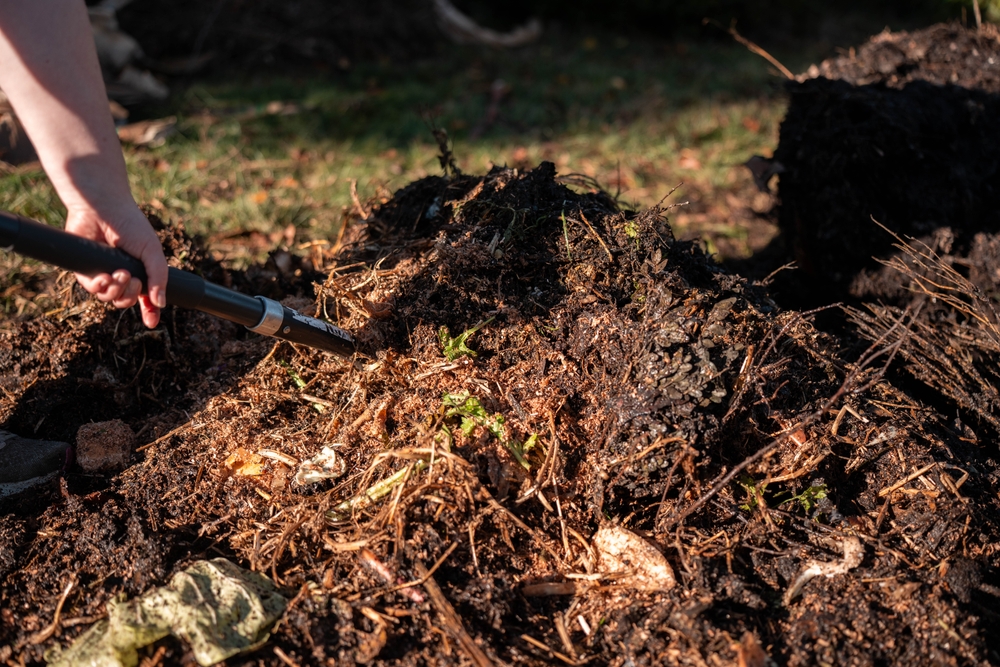
Fertilizer works best when soil moisture supports even distribution, so watering schedules directly affect nutrient performance. Light watering before feeding helps prepare soil for absorption, while deep watering afterward moves nutrients into root zones. Compost applications also perform better when soil temperatures support decomposition activity. Gardeners who layer compost during active soil periods see faster nutrient release and stronger soil structure. These coordinated actions build a more responsive growing environment.
Liquid feeds often deliver faster results than granular options when timing aligns with plant demand. Foliar feeding during early morning allows leaves to absorb nutrients before heat increases evaporation rates. Drip irrigation systems improve timing precision by delivering small, consistent doses throughout the day. This steady approach prevents nutrient spikes that can stress roots. Careful scheduling across all input methods increases overall garden efficiency without increasing fertilizer use.
Common Timing Mistakes That Slow Plant Development
Many gardeners apply fertilizer during midday heat, which reduces absorption and increases nutrient loss through evaporation. Others apply nutrients during dormant periods when plants cannot process them effectively. These habits waste resources and can lead to salt buildup in soil. Poor timing also disrupts microbial balance, which slows long-term soil health. Correcting these habits often produces noticeable improvements within a single growing cycle.
Another common mistake involves ignoring seasonal transitions. Spring and fall require different nutrient strategies because plant metabolism changes with temperature and daylight shifts. Overfeeding during slow-growth periods often creates weak, leggy plants that struggle when conditions improve. Gardeners who adjust feeding schedules with seasonal changes maintain healthier soil and stronger plants. Awareness of these timing gaps prevents long-term garden decline.
Why Smart Timing Turns Good Soil Into Great Harvests
Nutrient timing shapes plant performance more strongly than fertilizer quantity because plants respond to availability windows, not abundance alone. Gardeners who align feeding, watering, and compost use with natural cycles consistently grow stronger, more resilient plants. This approach reduces waste, lowers costs, and improves harvest quality across vegetables, herbs, and ornamentals. Every garden benefits when timing becomes a core part of the growing strategy. Small adjustments in schedule often deliver bigger results than major changes in fertilizer type.
What timing shifts could improve results in your garden this season, and which plant has shown the biggest response to smarter feeding schedules?
You May Also Like…
6 Flower Varieties That Bloom Quickly After Late Spring Planting
6 Low-Nutrient Soil Options That Still Produce Results
Cheap and Effective Liquid Nutrients for Your Indoor Plants
6 Water-Efficient Choices That Reduce Usage
5 Maintenance Habits That Keep Growth Consistent

Brandon Marcus is a staff writer for FrugalGardening.com at District Media, Inc., where he delivers practical gardening advice with a relatable, no-nonsense style. An avid amateur gardener, he holds a BA degree and with over ten years of professional writing experience, he is also an award-winning published author whose first book, Questions For Deep Thinkers, was released by Adams Media. His work has appeared in major publications including Fandom.com, CHUD.com, TheColdWire.com, and Fansided.com.
Leave a Reply