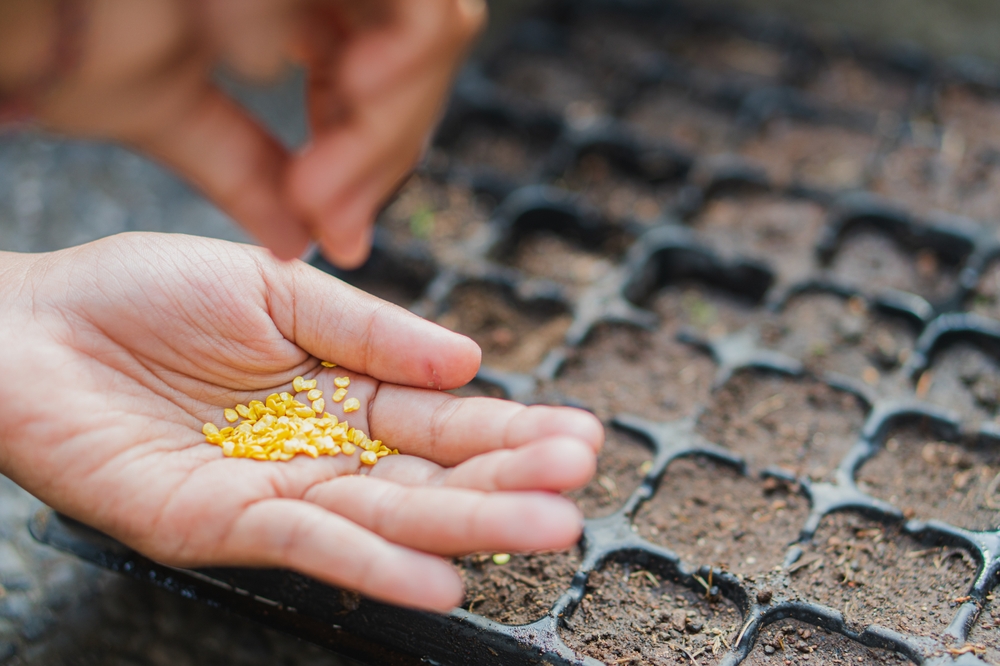
Your seedlings are supposed to be tiny green promises, reaching eagerly toward sunlight. Yet somehow, despite careful watering, optimal light, and even a cheerful playlist while you work, they remain stubbornly stunted, pale, or limp. Something beneath the surface is working against you.
That “something” isn’t your planting technique or your enthusiasm—it’s buried in your soil and wielding an invisible hand that can make or break your gardening dreams. Gardeners everywhere have experienced it, often without realizing that the very ground they depend on could be the culprit.
Soil Compaction Is Crushing Your Seedlings
One of the most overlooked villains in the garden is soil compaction. When soil particles are packed too tightly, roots struggle to penetrate the ground and access essential nutrients. Compacted soil also traps water in ways that either drown roots or leave them parched. Over time, seedlings in compacted soil often develop weak stems and shallow root systems, making them vulnerable to disease and environmental stress. Foot traffic, heavy tools, or even repeated watering with high pressure can worsen compaction.
The result is deceptively poor growth that feels like it defies logic—you’re following all the rules, but your plants seem to be asking for mercy. Loosening the soil with careful tilling, adding organic matter, or using raised beds can help break up this barrier, giving roots the space they need to explore and thrive. Understanding compaction is crucial because even the healthiest seeds will struggle if their underground environment is inhospitable.
The Invisible Threat Of Soil Salts
Salt accumulation is another secret saboteur that can devastate seedlings without leaving obvious signs at first. Many gardeners unknowingly introduce salts into their soil through fertilizers, tap water, or amendments like composted manure. When salts concentrate in the root zone, they interfere with water absorption, effectively dehydrating plants even if the soil seems moist. This condition, called “osmotic stress,” can stunt seedlings, cause leaf burn, and reduce germination rates.
Seedlings are particularly sensitive because their young roots are fragile and easily overwhelmed. Flushing the soil periodically with fresh water or choosing fertilizers with low salt content can dramatically improve seedling survival. Paying attention to the salt levels in your garden is often a game-changer for gardeners who have struggled with mysterious seedling failure.
Hidden Nutrient Imbalances That Undermine Growth
Even when soil looks healthy, the balance of nutrients might be off, and this can silently sabotage seedlings. Nitrogen, phosphorus, and potassium are the big three, but micronutrients like iron, zinc, and magnesium also play crucial roles. Too much of one nutrient can lock out others, leaving plants hungry despite an abundance of fertilizer. For example, excessive phosphorus can limit zinc availability, resulting in stunted growth and yellowing leaves. Seedlings are especially vulnerable because they rely on precise nutrient levels to develop strong roots and sturdy leaves.
Conducting a soil test can reveal these hidden imbalances, allowing gardeners to tailor amendments carefully instead of guessing blindly. Adjusting nutrient levels may take time, but it is one of the most effective ways to transform struggling seedlings into vigorous young plants ready for the next stage.

Microbial Mischief: When Soil Biology Works Against You
The soil isn’t just dirt—it’s a bustling community of microbes, fungi, and bacteria, most of which are beneficial. But certain pathogens or imbalances in microbial populations can sabotage seedlings before they even have a chance to thrive. Fungal diseases like damping-off attack tender roots and stems, often killing seedlings within days.
Overly wet or poorly drained soil encourages these destructive organisms, while a lack of beneficial microbes reduces natural resistance. Introducing compost, maintaining proper moisture, and rotating crops can foster a healthy microbial community that supports growth instead of undermining it.
Seedlings flourish in soil that’s biologically balanced, but even the most attentive gardener can inadvertently create conditions where microbes turn hostile. Recognizing that soil biology matters is key to preventing tiny plants from disappearing before they reach their potential.
Watering Mistakes That Amplify Soil Problems
Even the right soil can fail seedlings if watering practices are off. Overwatering saturates the ground and promotes root rot, while underwatering leaves roots shriveled and desperate. Both extremes can compound issues like compaction, salt buildup, and microbial imbalances. Seedlings require consistent moisture that penetrates the root zone without drowning it. Observing how your soil responds to watering, using mulch to retain moisture, and adjusting frequency with weather conditions can make a dramatic difference.
Many gardeners assume that seedlings need constant attention, but learning to read the soil’s signals is the real secret to giving young plants the environment they crave. Water is life, but it must be applied thoughtfully to prevent hidden soil hazards from sabotaging your seeds.
Bringing It All Together For Thriving Seedlings
Understanding what lurks beneath the surface transforms how you approach gardening. Soil compaction, salt accumulation, nutrient imbalances, microbial mischief, and improper watering may each independently sabotage your seedlings, but they often interact, creating a perfect storm that stunts growth. The key is observation, testing, and patience.
Loosen your soil, manage salts, balance nutrients, encourage beneficial microbes, and water wisely. With these strategies, seedlings can develop the strong roots, vibrant leaves, and resilience they need to flourish. Small changes below the surface can yield dramatic results above it, turning mysterious failures into triumphs that make your garden the envy of the neighborhood.
Tell Us About Your Seedling Adventures
Have you battled stunted seedlings, mysterious yellow leaves, or plants that just wouldn’t thrive? The soil secrets described here might be exactly what’s been holding you back. We want to hear about your experiences and the strategies that worked in your garden. Whether it was a quirky fix, a careful adjustment, or a lucky break, your story can inspire others navigating the challenges of seedling care.
Drop your thoughts, lessons, or questions in the comments section below, and let’s celebrate the small victories that turn tiny seeds into flourishing plants together.
You May Also Like…
7 Winter Mulches That Actually Warm Soil Instead of Chilling It
12 Ways Snow Can Protect Your Soil and When It Hurts It
8 Ways to Prepare Garden Beds Without Buying New Soil
Is Composting at Home Still the Cheapest Soil Option?
6 Annuals That Don’t Need Expensive Soil Mixes

Brandon Marcus is a staff writer for FrugalGardening.com at District Media, Inc., where he delivers practical gardening advice with a relatable, no-nonsense style. An avid amateur gardener, he holds a BA degree and with over ten years of professional writing experience, he is also an award-winning published author whose first book, Questions For Deep Thinkers, was released by Adams Media. His work has appeared in major publications including Fandom.com, CHUD.com, TheColdWire.com, and Fansided.com.
Leave a Reply