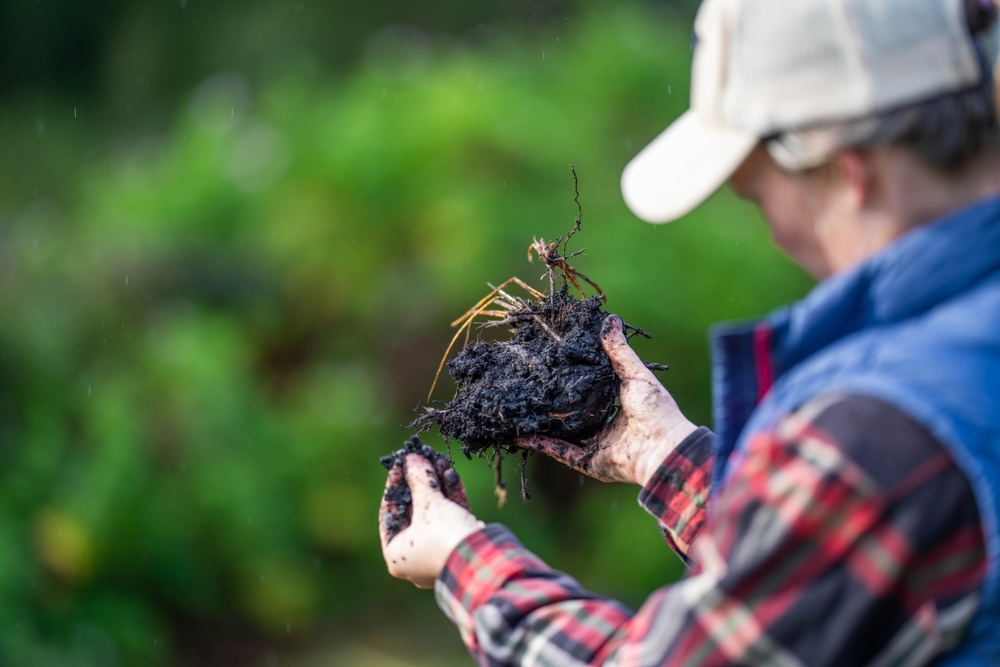
Compost smells like earth’s magic in progress, turning scraps into soil gold. But when things go too far and the pile gets soggy, that magic can start to stink—literally and figuratively. Overly wet compost isn’t just messy; it can drown the microbes that do all the heavy lifting and leach nutrients into the ground, leaving your future garden plants begging for a boost. Recognizing the signs early can save a lot of heartbreak, and maybe a little embarrassment when the neighbors start asking about that suspicious smell wafting through the backyard.
Think of compost as a living, breathing ecosystem. Too little care and it dries out, slowing decomposition. Too much water, and it’s like putting your microbes in a swampy sauna—they get stressed, and the whole system collapses into slimy chaos. Luckily, nature gives plenty of clues when your compost is struggling. From a swampy texture to unpleasant odors, these warning signs are your green flag to take action before your pile loses its nutrient punch.
1. Soggy and Sludgy: When Your Pile Turns Into a Mud Bath
Nothing screams “help me” like a compost pile that feels more like a mud puddle than a vibrant, crumbly heap. If your compost sticks together when you squeeze it in your hand and oozes water out the bottom, it’s officially too wet. Microbes need oxygen to break down material, and waterlogging pushes out air, creating an anaerobic nightmare. This turns compost from a sweet, earthy smell into a stinky swamp that can attract flies and other pests.
To fix this, start by adding dry, carbon-rich materials like shredded cardboard, dry leaves, or straw. Fluffing the pile with a garden fork not only incorporates these materials but also reintroduces air, which your compost microbes crave. Make sure to mix in the new materials evenly to prevent pockets of excess moisture. Avoid dumping water on compost unless it’s parched, and check the pile’s texture weekly, especially after heavy rains. Over time, these small adjustments will restore balance, turning that soggy mess back into soil gold.
2. Bad Smells: The Rotten Egg Alarm
Compost should smell earthy, like a forest floor after rain. When it turns sour, reeks like ammonia, or carries that unmistakable rotten-egg odor, your pile is drowning and gasping for air. These odors mean anaerobic bacteria are taking over because the pile is waterlogged and oxygen can’t get through. Not only is this unpleasant, but it also slows decomposition and causes nutrients to escape into the environment instead of feeding your plants.
Combat foul odors by turning the compost frequently to introduce air. Adding carbon-heavy materials helps absorb excess moisture and neutralize smells. Avoid tossing in large amounts of wet kitchen scraps all at once; moderation keeps the balance in check. Another trick is layering—alternate wet greens with drier browns to encourage even airflow and proper microbial activity. Stick with these methods, and soon the compost will return to that satisfying, earthy aroma that signals everything is healthy and active.
3. Mold and Slime: Green, White, or Gray Warnings
A little mold is normal, but when fuzzy patches dominate or the pile develops a slimy texture, overwatering is likely the culprit. Mold thrives in moist environments and indicates that decomposition isn’t proceeding the way it should. Slimy compost not only slows down microbial activity but also loses nutrient value, leaving the end product weak for gardens. Over time, this can turn your vibrant compost into a murky, low-quality mix that struggles to support plant growth.
The fix involves increasing airflow and balancing the wet ingredients with dry materials. Shredded newspaper, cardboard, or even dry grass clippings work wonders. Breaking up the pile and spreading it out can help evaporate excess water, while layering greens and browns ensures moisture distributes evenly. Keep monitoring the moisture level—you’re aiming for a damp, wrung-out sponge feel, not a soggy slurry. With consistent attention, mold and slime retreat, and healthy microbial life rebounds.
4. Leachate Pooling: Nutrient Washout
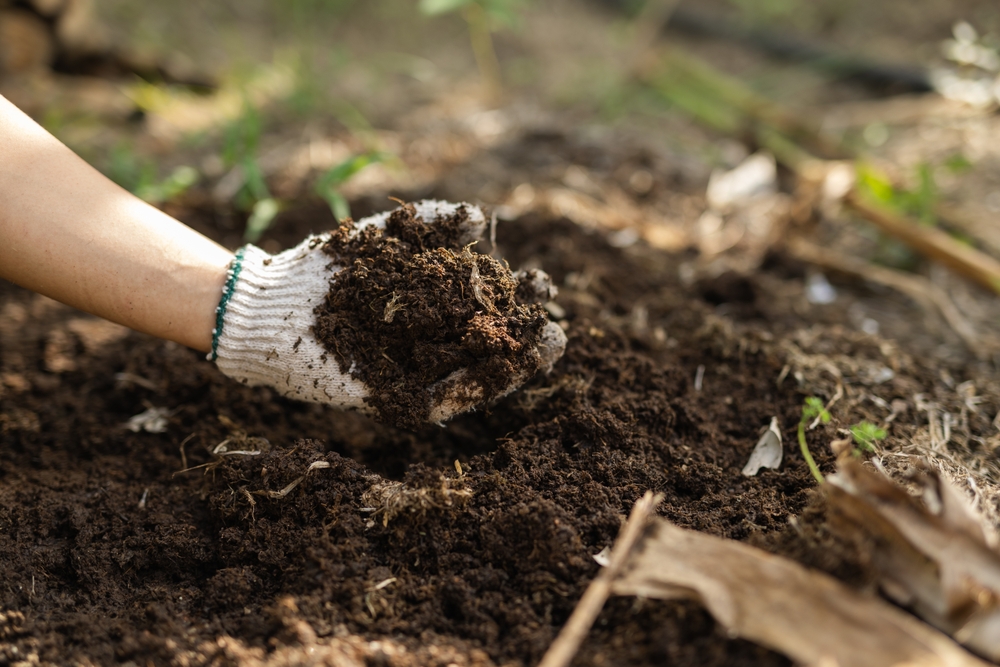
If you notice a brown, smelly liquid at the bottom of your compost bin, it’s called leachate, and it’s a red flag that your nutrients are washing away. This liquid carries valuable nitrogen and other minerals right out of the compost, making the end product far less beneficial for plants. Leachate often appears after heavy rainfall or when too many wet greens overwhelm the pile.
Prevent leachate by adding more dry, absorbent materials and ensuring the bin has proper drainage. If leachate does appear, collect it in a separate container and dilute it for use as a liquid fertilizer—this way, nothing goes to waste. Regularly turning and layering your compost also prevents pooling, keeping nutrients locked in and helping the pile maintain a balanced, active decomposition process. Once you tweak moisture levels and structure, leachate becomes less of a threat and more of a resource if handled carefully.
5. Slow Decomposition: The Pile That Stalls
A compost pile should actively break down material, with temperatures rising in the center as microbes work. When decomposition slows dramatically or stops, excess water often plays a key role. Waterlogged conditions limit oxygen, making it hard for beneficial microbes to thrive and digest organic matter efficiently. This creates a pile that sits stagnant for weeks, losing nutrients and becoming more of a garden burden than an asset.
Reviving a stalled compost pile means adjusting the wet-to-dry balance and turning the materials to aerate the pile. Ensure the ratio of greens (wet, nitrogen-rich materials) to browns (dry, carbon-rich materials) stays around 2:1 by volume. Checking moisture regularly keeps the pile active and healthy, and layering wet and dry ingredients encourages proper airflow. Patience pays off—consistent care transforms a sluggish compost heap back into nutrient-packed gold that will supercharge any garden.
Keep Your Compost Thriving and Your Garden Smiling
Overly wet compost doesn’t have to be a disaster. By spotting the signs—sogginess, bad smells, slime, leachate, and stalled decomposition—you can take action to rescue your pile and preserve those precious nutrients. Simple tweaks like adding dry materials, turning the pile, and maintaining proper layering make a world of difference. Healthy compost means healthy soil, stronger plants, and a garden that practically thanks you for the effort.
What’s your trick for keeping compost just right? Do you have clever layering strategies or moisture hacks that work wonders in your garden? Share your ideas and stories in the comments.
You May Also Like…
Why Your Compost Isn’t Heating Up and How to Fix It Fast
4 Composting Tricks That Work Better Than Store-Bought Bags
Why Some Compost Smells in Spring
8 Winter Compost Additives That Speed Up Breakdown
7 Composting Tricks That Only Work in Autumn

Brandon Marcus is a staff writer for FrugalGardening.com at District Media, Inc., where he delivers practical gardening advice with a relatable, no-nonsense style. An avid amateur gardener, he holds a BA degree and with over ten years of professional writing experience, he is also an award-winning published author whose first book, Questions For Deep Thinkers, was released by Adams Media. His work has appeared in major publications including Fandom.com, CHUD.com, TheColdWire.com, and Fansided.com.
Leave a Reply