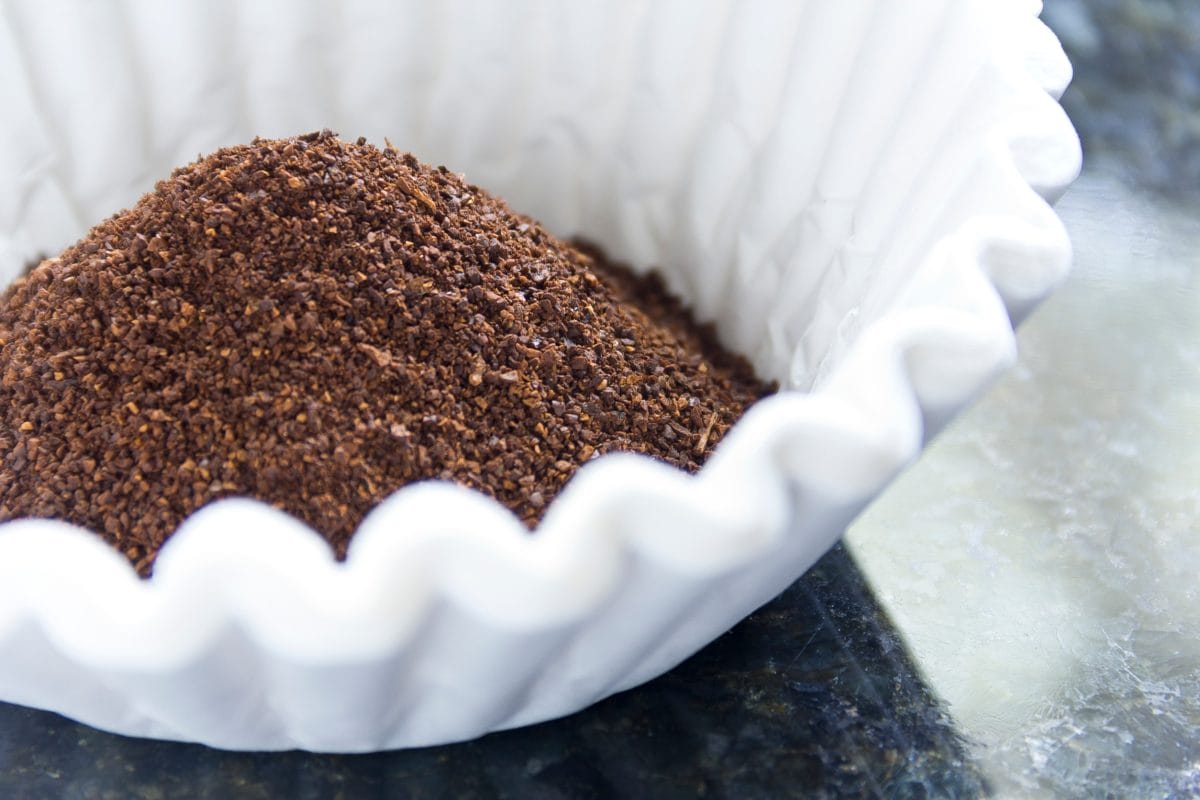
A morning cup of coffee fuels the day, but the leftover grounds can power something else entirely. Tossing them in the trash wastes a surprisingly useful resource that can help plants grow stronger, soil stay healthier, and gardens thrive with a little extra life. Gardeners have whispered about coffee grounds for years, yet confusion still swirls around the topic like steam rising from a fresh mug.
Some people treat the grounds like magical fertilizer while others warn that they can damage plants if used incorrectly. The truth sits comfortably in the middle, and understanding that balance transforms a simple kitchen leftover into a gardening powerhouse. Coffee grounds offer nutrients, improve soil texture, and support beneficial organisms when used with care. Master the right techniques, and yesterday’s brew can become tomorrow’s thriving garden bed.
The Surprising Science Inside Your Coffee Filter
Coffee grounds look simple, yet they carry a complex mix of nutrients that plants appreciate. They contain small amounts of nitrogen, potassium, and phosphorus, which form the backbone of many plant fertilizers. Nitrogen plays the biggest role because plants use it to grow strong leaves and lush green stems. That nutrient content makes coffee grounds particularly appealing for compost piles and soil enrichment. However, the grounds release nutrients slowly rather than delivering an instant boost, which means they work best as part of a long-term soil improvement plan.
Another hidden advantage lies in their organic structure. Coffee grounds improve soil texture by helping sandy soil retain moisture and helping dense clay soil loosen up slightly. That improved structure allows roots to breathe, absorb water more effectively, and spread through the soil without struggle. Microorganisms also love coffee grounds because the organic material provides food that fuels their activity. These microscopic helpers break down nutrients and release them into the soil, creating a thriving underground ecosystem that supports healthy plant growth. A garden filled with active microbes often grows stronger plants without relying heavily on synthetic fertilizers.
Compost’s Secret Ingredient That Gardeners Love
Coffee grounds shine brightest when they join a compost pile. Compost relies on a balance of “green” materials that provide nitrogen and “brown” materials that provide carbon. Coffee grounds fall squarely into the green category, which means they add valuable nitrogen that helps the compost pile heat up and break down faster. Tossing grounds directly into compost creates a nutrient-rich mixture that eventually turns into dark, crumbly soil gold.
Balance remains the key to success because too many coffee grounds can overwhelm the compost mixture. A healthy pile needs a blend of materials such as dry leaves, shredded paper, vegetable scraps, and yard clippings. Coffee grounds should make up only a modest portion of the total compost ingredients. Gardeners who mix grounds thoroughly with other materials create an environment where microorganisms thrive and decomposition speeds along efficiently. Once the compost finishes breaking down, the result becomes a nutrient-packed soil amendment that plants absolutely adore.
A Natural Boost for Soil Without Overdoing It
Coffee grounds can benefit garden beds directly, but moderation keeps everything running smoothly. Sprinkling a thin layer of grounds over soil can provide organic matter that gradually enriches the ground beneath plants. That layer should remain light rather than thick because compact piles of coffee grounds can form a dense crust that prevents water and air from reaching the soil. Plants need both moisture and oxygen around their roots, so keeping the layer thin ensures that the grounds help rather than hinder growth.
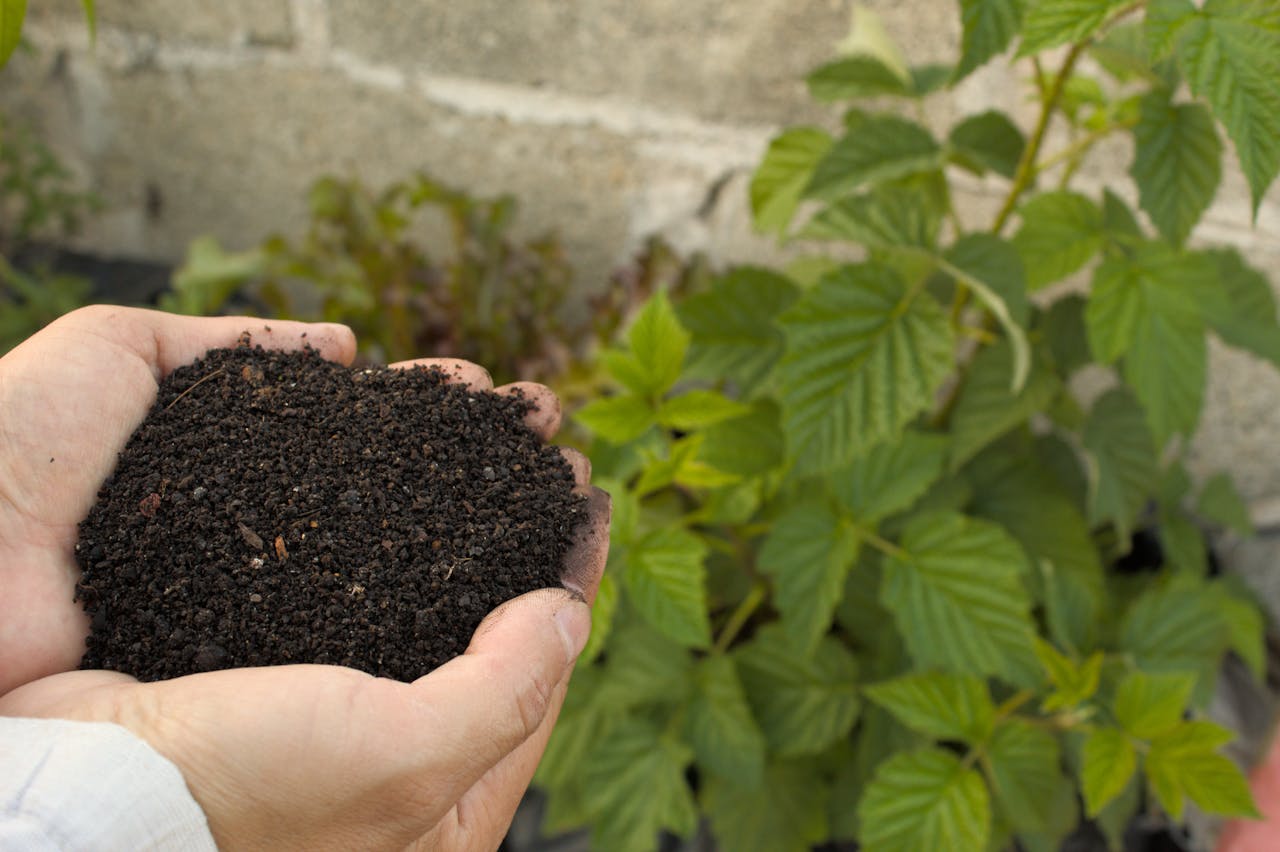
Mixing grounds into soil offers another effective approach. Gardeners can gently work them into the top few inches of soil where microorganisms and earthworms can break them down naturally. Earthworms especially enjoy coffee grounds, and their tunneling activity improves soil aeration and drainage. This natural partnership creates healthier soil structure over time while slowly releasing nutrients. Used in this way, coffee grounds act more like a soil conditioner than a quick fertilizer.
Plants That Appreciate a Coffee Ground Snack
Certain plants respond especially well to the nutrients and organic matter found in coffee grounds. Acid-loving plants often benefit the most, including blueberries, azaleas, rhododendrons, and some varieties of roses. These plants thrive in slightly acidic soil conditions, and coffee grounds can gently support that environment when applied correctly. The nutrients also encourage healthy foliage growth, which helps these plants look vibrant and full.
Vegetable gardens can benefit as well, particularly leafy crops like spinach, lettuce, and kale that crave nitrogen. Mixing coffee grounds into compost before adding them to vegetable beds creates a steady nutrient source that helps these plants flourish. Even root crops like carrots and radishes may enjoy the improved soil structure that coffee grounds help create. A well-balanced garden often includes several plants that respond positively to this organic addition.
Garden Mistakes That Can Turn Coffee Into Trouble
Coffee grounds offer benefits, yet careless use can cause headaches for gardeners. Dumping large piles of grounds directly around plants can create compact layers that block water and limit airflow in the soil. That dense barrier may stunt plant growth rather than encourage it. Moderation and proper mixing prevent this problem from appearing in the first place.
Another potential issue involves caffeine residue. Fresh coffee grounds still contain small traces of caffeine, which can inhibit the growth of certain seedlings. Allowing grounds to age slightly or sending them through the compost pile first reduces this effect. Gardeners who sprinkle small amounts around established plants usually avoid any problems entirely. Careful application keeps the focus on the benefits rather than the drawbacks.
Turning a Daily Habit Into Garden Gold
A kitchen habit can quietly become one of the garden’s most reliable helpers. Coffee grounds supply organic matter, encourage microbial life, and gradually release nutrients that plants can use over time. Gardeners who treat them as a soil enhancer rather than a miracle cure often see the best results. Compost piles grow richer, garden beds develop healthier structure, and plants respond with steady growth and vibrant foliage.
Small changes in everyday routines can create surprisingly powerful gardening habits. Saving coffee grounds in a container, mixing them with compost materials, or lightly sprinkling them into garden soil transforms waste into something genuinely useful. That simple shift keeps organic material out of landfills while boosting the health of backyard ecosystems. A garden thrives when soil receives thoughtful care and steady improvement.
What creative ways have you used coffee grounds in the garden, and what results have you noticed so far? Write out your ideas, tips, or surprising discoveries in the comments section.
You May Also Like…
From Coffee Grounds to Eggshells: 10 Homemade Fertilizers You Already Have at Home!
How Root Vegetables Store Nutrients Differently in Autumn
Cheap and Effective Liquid Nutrients for Your Indoor Plants
How to Turn Household Waste Into Garden Fertilizer
The Fertilizer Combo Experts Say You Should Never Mix

Brandon Marcus is a staff writer for FrugalGardening.com at District Media, Inc., where he delivers practical gardening advice with a relatable, no-nonsense style. An avid amateur gardener, he holds a BA degree and with over ten years of professional writing experience, he is also an award-winning published author whose first book, Questions For Deep Thinkers, was released by Adams Media. His work has appeared in major publications including Fandom.com, CHUD.com, TheColdWire.com, and Fansided.com.
Leave a Reply