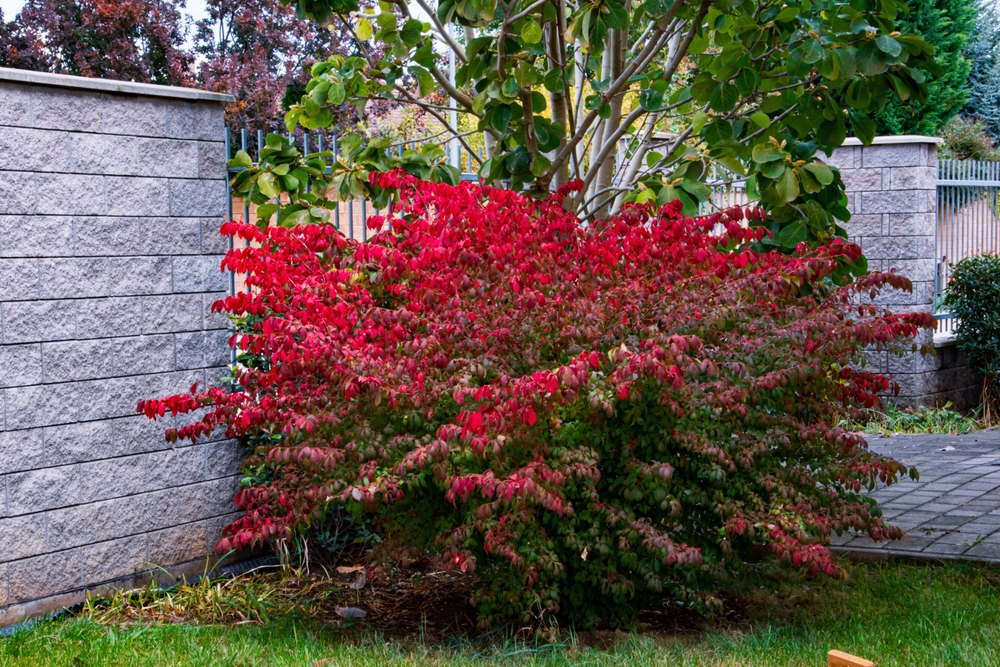
Every fall, one popular landscaping shrub puts on a spectacular show, turning such a brilliant shade of red that it almost looks like it’s glowing. You’ve probably seen it lining driveways, surrounding foundations, or adding color to otherwise ordinary suburban yards.
But that gorgeous autumn display is hiding a problem.
The plant is called burning bush, and despite its popularity, gardening experts are warning homeowners that it can spread far beyond the places where it’s planted. According to the University of Maryland Extension, burning bush is an invasive ornamental shrub that can escape residential landscapes and establish itself in surrounding natural areas. Once it spreads, it can crowd out native vegetation and create long-term problems for nearby ecosystems.
Here’s how to identify burning bush, why it’s becoming a concern, and what homeowners should consider doing about it.
Why Burning Bush Became So Popular in American Yards
Burning bush, scientifically known as Euonymus alatus, was introduced to the United States from eastern Asia during the 1800s. Its biggest selling point is its remarkable fall foliage, which transforms from ordinary green leaves into vivid shades of scarlet and crimson. According to North Carolina State University Extension, the shrub can reach 15 to 20 feet tall and wide when allowed to grow naturally. Homeowners often prune it into smaller hedges, making it attractive for foundation plantings, property borders, and decorative landscaping. Unfortunately, the same adaptability that makes burning bush easy to grow also contributes to its ability to spread into places where it doesn’t belong.
The Problem Starts With Berries You Might Barely Notice
One reason burning bush becomes troublesome is that it produces small fruits that help the plant spread beyond its original location. According to the University of Connecticut Extension, birds eat the shrub’s berries and distribute its seeds into nearby woodlands and other natural areas. A homeowner might maintain one carefully trimmed burning bush for years without noticing seedlings appearing elsewhere on the property. However, birds can carry those seeds well beyond the original garden, allowing new plants to establish themselves where nobody intended them to grow. Over time, escaped burning bush can form dense thickets that shade out native plants and reduce the diversity of vegetation growing beneath trees.
How to Tell Whether You Have Burning Bush
The easiest time to spot burning bush is autumn, when its foliage turns bright red or reddish pink. However, several other shrubs develop similar colors, so fall foliage alone isn’t enough for a confident identification. Burning bush has distinctive corky ridges or wings running along many of its younger stems. Its small, oval leaves grow opposite one another, while reddish fruits with orange-colored seeds may appear during fall. If you’re unsure about a shrub in your yard, photograph its leaves, stems, and berries and compare those features with your local cooperative extension’s identification resources.
Some States Are Taking Action Against This Popular Shrub
The concerns surrounding burning bush have become serious enough that some states restrict its commercial sale or distribution. For example, the Maryland Department of Agriculture lists Euonymus alatus under its prohibited invasive plant regulations, with an effective listing date of January 15, 2026. The state’s rules also provide phase-out periods for certain existing nursery inventory, meaning the restrictions don’t necessarily translate into an immediate removal requirement for every homeowner. Other states have their own regulations, and burning bush isn’t classified or regulated identically throughout the country. Before purchasing another shrub or removing an established specimen, check your state’s invasive plant list and ask your local extension office about recommended management practices.
Should You Remove Burning Bush From Your Yard?
If you already have a mature burning bush, there’s no need to panic or immediately start digging without a plan. However, it is recommended that you replace existing burning bush plants when possible because of their potential to spread into natural habitats. Small seedlings can often be pulled by hand when the soil is moist, while larger established shrubs may require digging or repeated treatment to prevent regrowth. Simply cutting a mature burning bush to ground level may not eliminate it because the remaining root system can produce new shoots. For large shrubs, consider consulting a local extension specialist about appropriate removal methods and disposing of seed-bearing branches without spreading viable seeds.
Beautiful Native Alternatives Can Give You the Same Fall Color
Removing an invasive shrub doesn’t mean giving up the brilliant autumn colors that made it appealing in the first place. Native alternatives to burning bush include red chokeberry, serviceberry, fothergilla, and several viburnum species. Other alternatives include Virginia sweetspire, fragrant sumac, blueberries, and oakleaf hydrangea. These plants offer different mature sizes, soil preferences, and growing requirements, so selecting one suited to your region is important. Choosing an appropriate native replacement can provide beautiful fall color while reducing the risk of introducing another invasive plant into your landscape.
Replacing One Shrub Could Save Money and Work Later
For budget-conscious gardeners, removing an established shrub might seem like an unnecessary expense, especially when it appears healthy. However, dealing with numerous unwanted seedlings or a large, established root system can require significantly more labor than addressing a small problem early. If you’re replacing burning bush, consider purchasing a smaller native shrub rather than paying extra for a mature nursery specimen. Smaller plants are often easier to transport and establish, and they can eventually fill the same landscaping space with proper care. Before buying, check the plant’s mature dimensions so you don’t create another expensive maintenance problem by choosing something that will outgrow its location.
That Brilliant Red Shrub Deserves a Closer Look
Burning bush may be one of autumn’s most eye-catching ornamental shrubs, but its appearance doesn’t tell the whole story. Its ability to spread through bird-dispersed seeds has made it a concern for conservation specialists and gardeners across parts of the United States. Identifying the plant, checking local regulations, and considering native alternatives can help homeowners make informed landscaping decisions without unnecessary expense. You don’t have to sacrifice beautiful fall foliage to create a healthier, easier-to-maintain garden.
Do you have a burning bush in your yard, and would you consider replacing it now that you know how it can spread? Share your thoughts in the comments.
What to Read Next
How to Keep Deer From Browsing Shrubs Through Winter
Fall Watering Rules for Newly Planted Trees and Shrubs
Should You Buy Clearance Trees and Shrubs in Fall? Check the Roots First
Leave a Reply