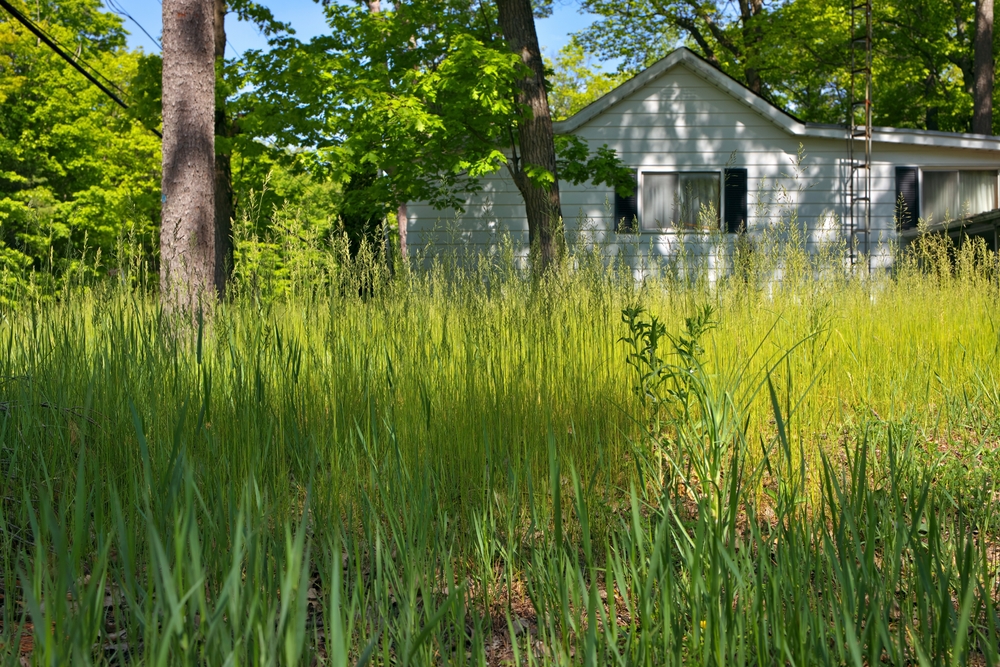
What if you stopped mowing your lawn and let nature take over? You could save money on gas, reduce your water bill, attract pollinators, and spend your weekends doing something other than pushing a lawn mower.
But depending on where you live, that decision could also result in a warning letter, an expensive fine, or a bill from your local government for cutting your grass.
Across the country, homeowners are increasingly questioning traditional lawn maintenance as native landscaping, pollinator gardens, and environmentally friendly yards become more popular. However, overgrown lawn laws haven’t disappeared, and the rules governing what homeowners can grow vary dramatically between communities. Before you put away your mower for good, here’s what you should know about when letting your lawn grow wild can become a costly legal problem.
Some Cities Can Fine You for Grass That’s Just Eight Inches Tall
Many municipalities have ordinances regulating the height of grass and weeds on residential properties, although the exact limits vary. In some communities, grass exceeding eight inches can trigger code enforcement action, even when the homeowner isn’t concerned about its appearance.
For example, Minnesota Statutes Section 412.925 generally prohibits grass and weeds taller than eight inches in cities unless they qualify as part of a properly maintained natural landscape. Local governments may establish enforcement procedures that include warnings, compliance deadlines, and penalties for violations. Before allowing your lawn to grow unchecked, search your municipality’s code for grass-height limits, nuisance vegetation rules, and applicable exemptions.
Your City May Charge You to Mow Your Own Property
Receiving a fine isn’t necessarily the most expensive consequence of ignoring overgrown lawn laws. Depending on local ordinances, municipalities may arrange for neglected properties to be mowed and charge the property owner for the work. Those charges can include administrative expenses, and some jurisdictions allow unpaid amounts to become assessments or liens against the property. This means a homeowner who initially wanted to save money by skipping lawn maintenance could face a substantially larger bill. If you receive a notice about overgrown vegetation, check the compliance deadline immediately and contact the enforcement office before additional costs accumulate.
Minnesota Protects Certain Wild Lawns, but There’s a Catch
Minnesota offers an interesting example of how states are changing their approach to natural landscaping. Under Minnesota’s native landscapes law, cities must allow property owners and authorized occupants to establish managed natural landscapes containing plants such as wildflowers, grasses, shrubs, and rain gardens. These intentionally designed areas can contain vegetation taller than eight inches, provided they are maintained and don’t include prohibited noxious weeds. However, the law specifically distinguishes managed natural landscaping from ordinary turf grass that’s simply left unattended. Homeowners who want to replace conventional lawns with natural vegetation should develop an intentional planting plan rather than assuming that stopping mowing automatically qualifies for protection.
Maryland Limits Some HOA Restrictions on Natural Landscaping
Homeowners associations can create additional complications for residents who want something other than traditional turf grass. However, Maryland Real Property Section 2-125 prohibits certain unreasonable restrictions on low-impact landscaping, including pollinator gardens, rain gardens, and xeriscaping. The law also protects homeowners from requirements that cultivated landscaping consist entirely or partly of traditional turf grass when the statutory conditions apply.
Importantly, associations can still establish reasonable design and aesthetic guidelines, and property owners must regularly maintain their landscaping. Maryland’s approach demonstrates that environmentally friendly landscaping can receive legal protection without giving homeowners unlimited freedom to neglect their yards.
A Pollinator Garden Isn’t the Same as an Abandoned Lawn
One of the biggest misconceptions about overgrown lawn laws is that planting a few wildflowers automatically exempts a property from maintenance requirements. Many communities distinguish between intentional landscaping and vegetation that has simply been allowed to grow without management.
For example, Minnetonka, Minnesota’s landscaping ordinance recognizes managed natural landscapes while maintaining standards addressing weeds, vegetation, and public safety. Defined garden borders, intentional plant selection, and regular maintenance can help demonstrate that a yard is being cultivated rather than abandoned. Homeowners should also identify and remove prohibited invasive or noxious weeds, which may remain regulated even within otherwise protected natural gardens.
HOA Rules and City Ordinances Can Apply at the Same Time
Even if your city permits taller vegetation, your homeowners association may have separate landscaping standards that apply to your property. Some associations regulate lawn appearance, planting locations, vegetation height, or the approval process for replacing grass with alternative landscaping. State protections can limit certain HOA restrictions, but those protections vary and don’t automatically invalidate every community rule.
Before transforming your front yard into a meadow, review your HOA’s covenants, conditions, and restrictions alongside applicable municipal ordinances. Getting written approval when required can help prevent a landscaping project from becoming an expensive disagreement over fines or removal costs.
You Can Create a Wildlife-Friendly Yard Without Risking a Violation
Homeowners don’t necessarily have to choose between a perfectly manicured lawn and an uncontrolled field of weeds. A practical compromise is replacing selected sections of grass with clearly defined native plant beds while keeping pathways, sidewalks, and property edges maintained. You might begin with a small pollinator garden, use mulch to define its boundaries, and gradually expand the planting area after confirming local requirements.
This approach can reduce mowing and watering expenses while making the landscape appear intentionally designed rather than neglected. Before investing in plants, contact your local code enforcement department or cooperative extension office to learn which species and landscaping practices are appropriate for your area.
Before You Stop Mowing, Know What Your Community Allows
Letting your lawn grow wild might sound like an easy way to save money and support the environment, but overgrown lawn laws can make the decision more complicated. Some communities enforce strict grass-height limits, while others recognize carefully maintained native landscapes and pollinator gardens as legitimate alternatives. The difference often comes down to whether your yard is intentionally landscaped, properly maintained, and compliant with applicable local regulations. Before abandoning traditional lawn care, research your city’s ordinances, review HOA requirements, and consider starting with a smaller natural garden that clearly demonstrates responsible maintenance.
Do you think homeowners should be allowed to let their lawns grow naturally, or should neighborhoods enforce grass-height limits? Share your thoughts in the comments.
What to Read Next
The Right Fertilizer Timing for Cool-Season Lawns
October Lawn Care Tasks That Protect Your Grass Before Winter
Leave a Reply