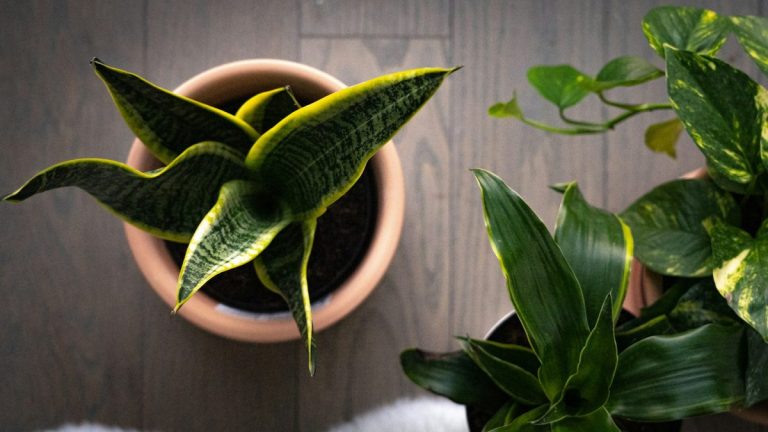
Indoor spaces often struggle with one stubborn challenge: limited natural light. Many homes across America feature shaded corners, north-facing rooms, or windows blocked by nearby buildings, and those spots often feel impossible to green up. Yet certain plants refuse to quit, even when sunlight barely shows up. These hardy performers bring life, texture, and color…
plant care
The Fertilizer Timing Rule Most People Get Wrong
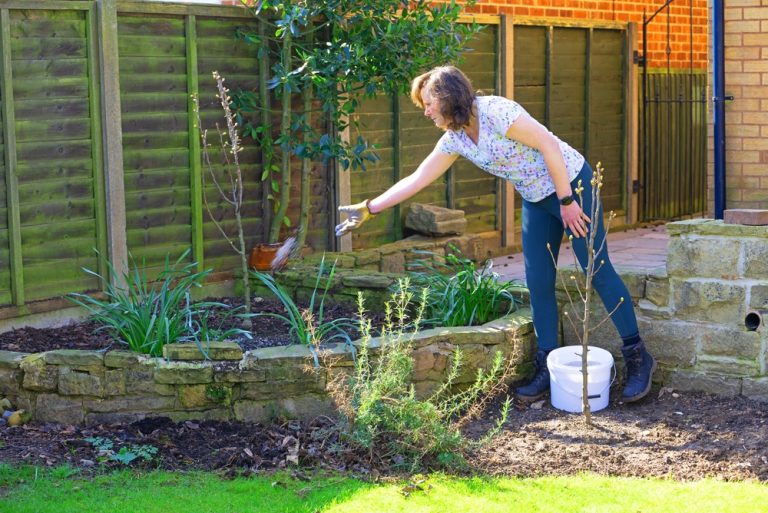
Garden centers start stacking fertilizer bags the second winter loosens its grip, and eager gardeners rush to feed everything in sight. Bright green packaging promises giant tomatoes, explosive blooms, and lawns thick enough to lose a rake in. Unfortunately, timing matters far more than most people realize, and dumping fertilizer onto sleepy plants often backfires…
6 Options That Transition Well Between Indoor and Outdoor Growth
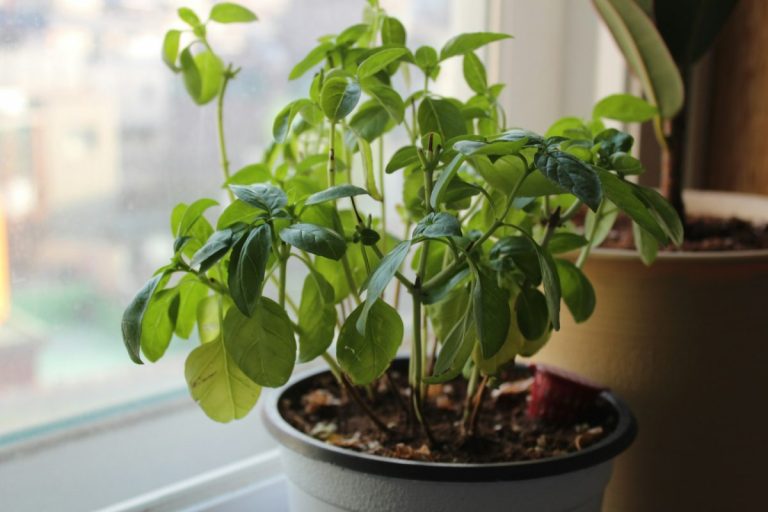
Gardening gets a whole lot more exciting when plants don’t stay stuck in one place all year. Some of the best-performing herbs, flowers, and vegetables actually thrive when they move between indoor comfort and outdoor sunshine, adapting to changing seasons like seasoned travelers. This flexibility opens the door for bigger harvests, longer bloom cycles, and…
The Early Heat Stress Problem in Young Gardens
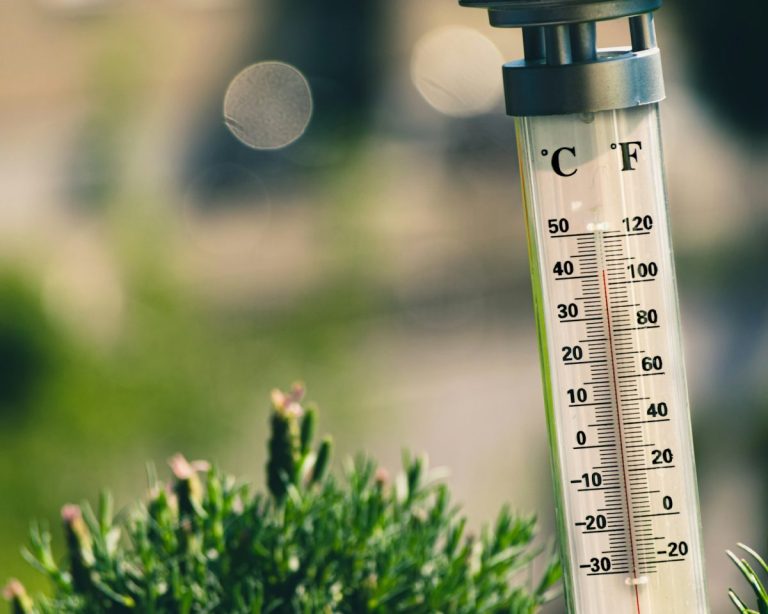
Spring used to ease gardeners into summer with mild mornings and gentle afternoon sunshine, but recent years have tossed that old playbook right into the compost bin. Sudden heat spikes now slam into brand-new gardens before tomatoes settle in, before peppers toughen up, and before tender roots stretch deep enough to find moisture. Young plants…
The Transplant Shock Issue and How to Prevent It
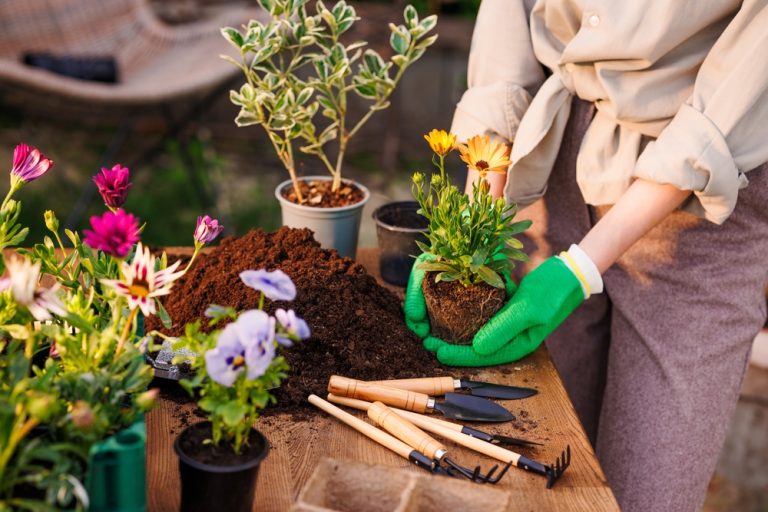
A prosperous garden can quickly turn stressful when plants suddenly droop, stall, or even fail after being moved. That frustrating moment often points to transplant shock, a condition that hits roots hard and slows growth just when success seems within reach. Many gardeners face this issue every season, especially when moving seedlings outdoors or relocating…
5 Indicators Your Soil Needs Nutrient Support
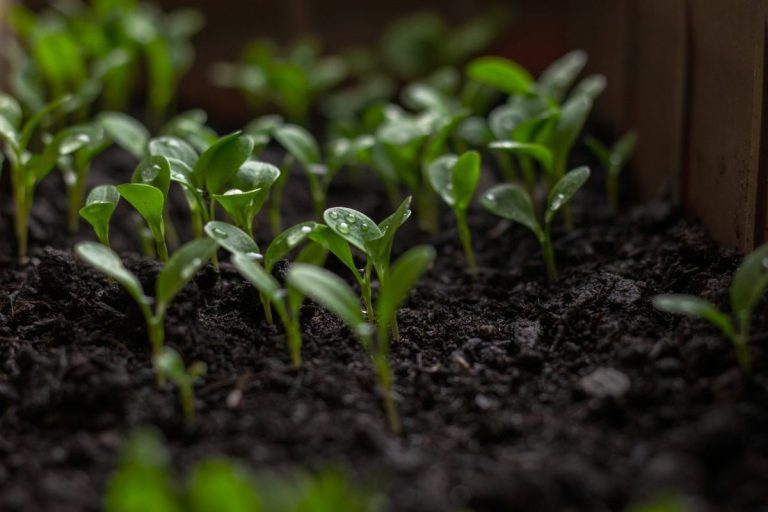
A thriving garden rarely happens by accident. Healthy tomatoes, vibrant flowers, crisp lettuce, and lush lawns all depend on one thing hiding beneath the surface: nutrient-rich soil. When soil loses balance, plants start sending distress signals fast, and many gardeners mistake those symptoms for pests, bad weather, or poor watering habits. The dirt itself often…
The Root Rot Warning Signs Most Gardeners Miss
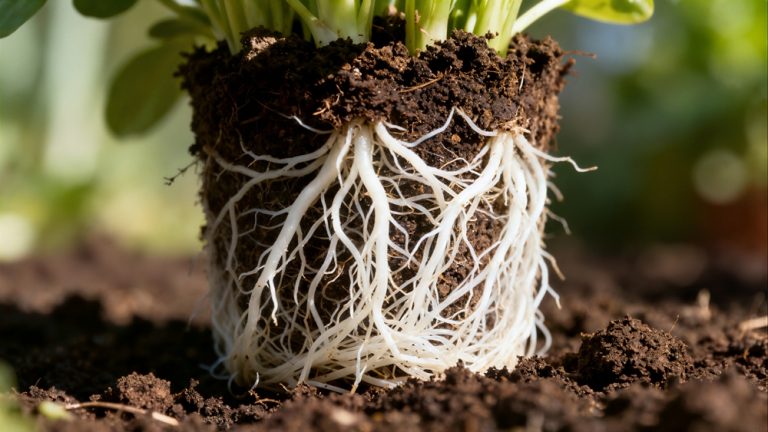
A droopy tomato plant or a sad-looking fern usually sends gardeners sprinting for the watering can, but that instinct often makes a bad situation much worse. Root rot sneaks into gardens quietly, and it loves gardeners who mistake stress for thirst. Root rot thrives in soggy soil, poor drainage, and containers that trap moisture like…
The Sunlight Rule: Why Placement Determines Growth Success

Gardens don’t fail because people lack effort. They fail because plants end up in the wrong light at the wrong time. Sunlight drives everything from leaf size to flower production, and even how fast vegetables mature. A tomato plant sitting in shade behaves nothing like one soaking up six to eight hours of direct sun….
The Watering Myth: Why More Moisture Can Hurt Root Development
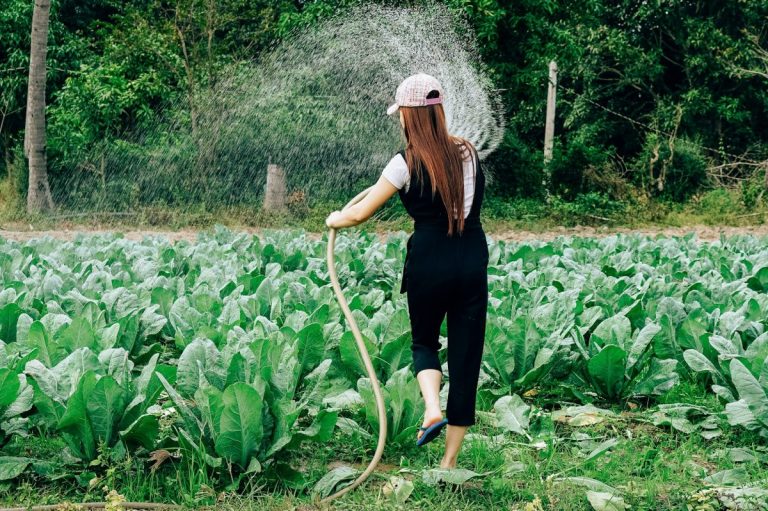
A lush, green garden often looks like it thrives on constant hydration, but that picture hides a costly mistake. Many gardeners treat watering like a generosity contest, pouring on extra moisture in hopes of faster growth and bigger blooms. That instinct feels right, but it quietly sabotages root systems beneath the surface. Plants don’t just…
7 Strategies to Protect Growth During Early Heat Waves
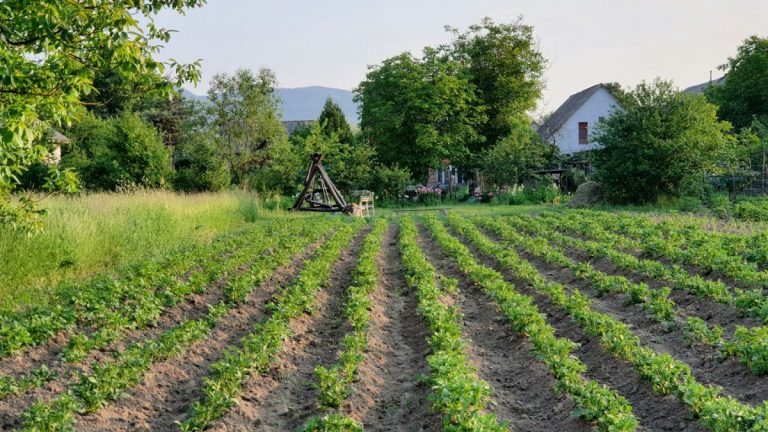
Early heat waves don’t politely ease into the season—they slam into gardens like a blast furnace, turning tender growth into crispy disappointment almost overnight. Spring planting often creates a false sense of security, with cool mornings and mild afternoons lulling gardeners into thinking plants can handle anything. Then suddenly, temperatures spike into the high 80s…