Gardening gets a whole lot more exciting when plants don’t stay stuck in one place all year. Some of the best-performing herbs, flowers, and vegetables actually thrive when they move between indoor comfort and outdoor sunshine, adapting to changing seasons like seasoned travelers. This flexibility opens the door for bigger harvests, longer bloom cycles, and healthier plants overall, especially when weather starts acting unpredictable.
Smart gardeners use this back-and-forth approach to stretch growing seasons and maximize every bit of space available. A sunny patio in summer becomes a thriving indoor setup in winter, and the same plants keep producing without missing a beat. With the right choices, the garden doesn’t have to shut down when temperatures drop or shift—it simply changes scenery and keeps growing strong.
1. Basil: The Kitchen Workhorse That Loves Seasonal Moves
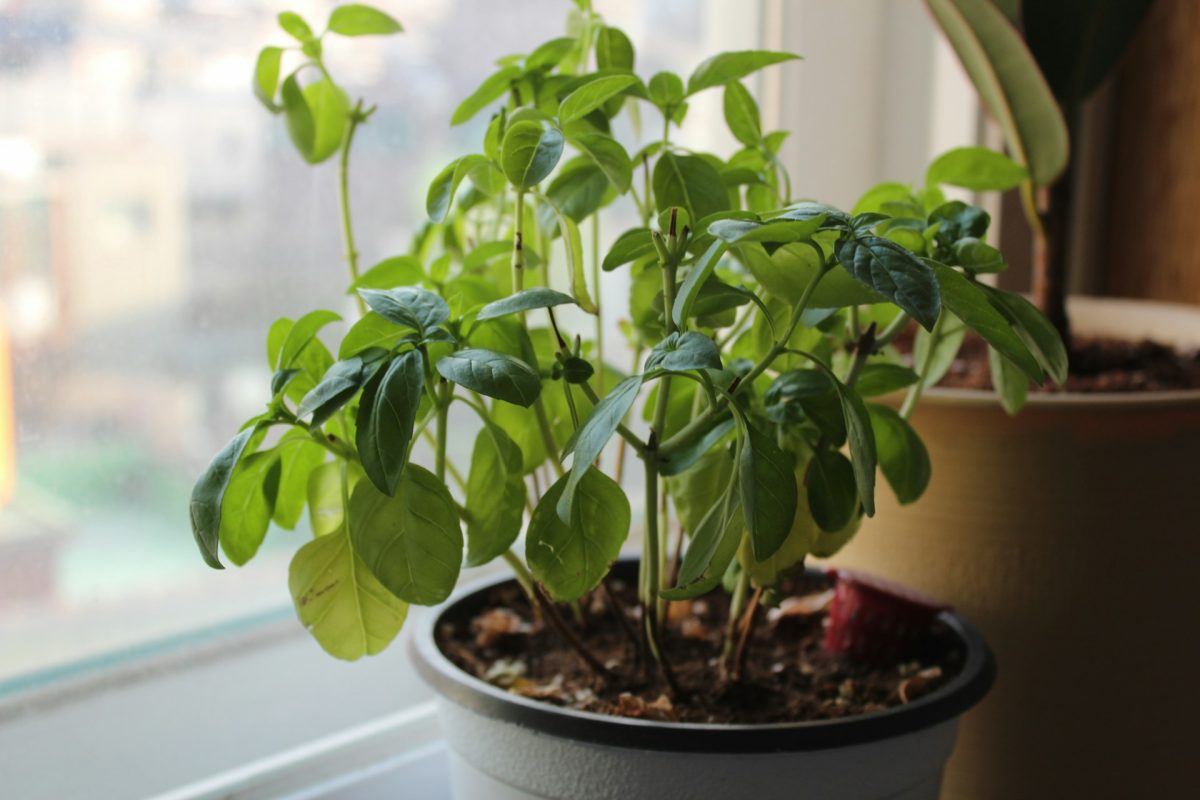
Basil thrives as one of the most forgiving herbs for gardeners who move plants between indoor and outdoor spaces. It grows quickly outdoors during warm months and produces lush, aromatic leaves when it receives full sun and consistent watering. When temperatures drop, basil transitions indoors easily as long as it sits near a bright window or under a grow light. Sudden cold snaps can shock basil, so smart gardeners bring it inside before nighttime temperatures dip below 50°F. Frequent trimming keeps the plant productive and prevents it from flowering too early, which can reduce flavor quality.
Basil also rewards consistency, especially with soil moisture and warmth, making it a strong beginner-friendly choice. Outdoor gardens benefit from basil’s natural pest-repelling qualities, especially against mosquitoes and flies. Indoors, basil adds fresh fragrance and a steady supply of leaves for sauces, salads, and soups. Many gardeners rotate multiple basil plants in and out of the house to maintain a continuous harvest cycle. This plant thrives when treated as a seasonal traveler rather than a stationary resident.
2. Rosemary: The Rugged Herb That Adapts With Attitude
Rosemary handles transitions between indoor and outdoor environments better than many herbs thanks to its woody structure and drought tolerance. It grows best outdoors in warm, sunny conditions where it can stretch into a fragrant, bushy shrub. During colder seasons, rosemary moves indoors successfully if it receives strong light and well-draining soil. Overwatering often causes more damage than cold, so careful watering habits keep this herb thriving year-round. Gardeners appreciate rosemary for its resilience and its ability to survive light neglect better than softer herbs.
Indoor rosemary benefits from occasional pruning, which helps maintain its shape and encourages fresh growth. Outdoor placement near patios or garden beds allows it to serve as both a culinary herb and ornamental plant. Many gardeners use rosemary as a natural pest deterrent due to its strong scent. A gradual transition indoors prevents shock, especially when temperatures change suddenly in fall. With the right care, rosemary remains productive and attractive across both environments.
3. Mint: The Unstoppable Spreader That Thrives Anywhere
Mint adapts quickly to both indoor pots and outdoor garden beds, often growing so aggressively that containment becomes necessary. Outdoors, mint spreads rapidly through underground runners, which makes it ideal for controlled containers or dedicated garden sections. Indoors, mint continues to flourish as long as it receives consistent moisture and partial sunlight. This herb tolerates a wide range of conditions, making it one of the easiest plants to transition between environments. Gardeners often rely on mint for teas, desserts, and refreshing summer recipes.
Indoor mint benefits from regular trimming, which keeps it from becoming leggy or overcrowded. Outdoor growth produces stronger aromas due to increased sunlight exposure and airflow. Many gardeners move mint indoors during winter to maintain a fresh supply of leaves year-round. Pest resistance also improves when mint grows indoors under controlled conditions. Its adaptability makes it both a blessing and a challenge for gardeners who enjoy quick-growing herbs.
4. Peppers: Colorful Producers That Love Seasonal Flexibility
Pepper plants, especially chili and bell varieties, transition well between indoor and outdoor growing when handled carefully. Outdoors, peppers thrive in warm, sunny conditions and produce abundant fruit during summer months. When frost threatens, gardeners move pepper plants indoors to extend their growing season and continue harvesting. Indoor pepper plants require strong light sources, such as south-facing windows or grow lights, to maintain fruit production. Temperature consistency plays a major role in keeping peppers productive during transitions.
Many gardeners treat peppers as container crops to simplify seasonal movement. Outdoor growth encourages stronger stems and higher yields due to natural pollination and airflow. Indoor environments help protect peppers from pests and unpredictable weather conditions. Small pepper varieties often adapt better to indoor conditions than large bell pepper types. With steady care, peppers continue producing vibrant fruits across both environments.
5. Geraniums: The Decorative Favorite That Rebounds Beautifully
Geraniums handle indoor-outdoor transitions with surprising ease, especially when grown in containers. Outdoors, they produce bold, colorful blooms that brighten patios, garden beds, and porch areas. When temperatures drop, geraniums move indoors and continue blooming if they receive enough light and pruning. These plants respond well to deadheading, which encourages more flowers and prevents wasted energy on fading blooms. Gardeners value geraniums for their long flowering season and reliable performance.
Indoor geraniums often maintain a compact shape when placed near bright windows. Outdoor conditions enhance their color intensity and overall vigor due to stronger sunlight exposure. Many gardeners overwinter geraniums indoors to replant them outdoors in spring. Proper airflow prevents common issues like mildew or leaf drop during indoor storage. Their adaptability makes geraniums a dependable choice for flexible seasonal gardening.
6. Spider Plant: The Low-Stress Houseplant That Enjoys Fresh Air
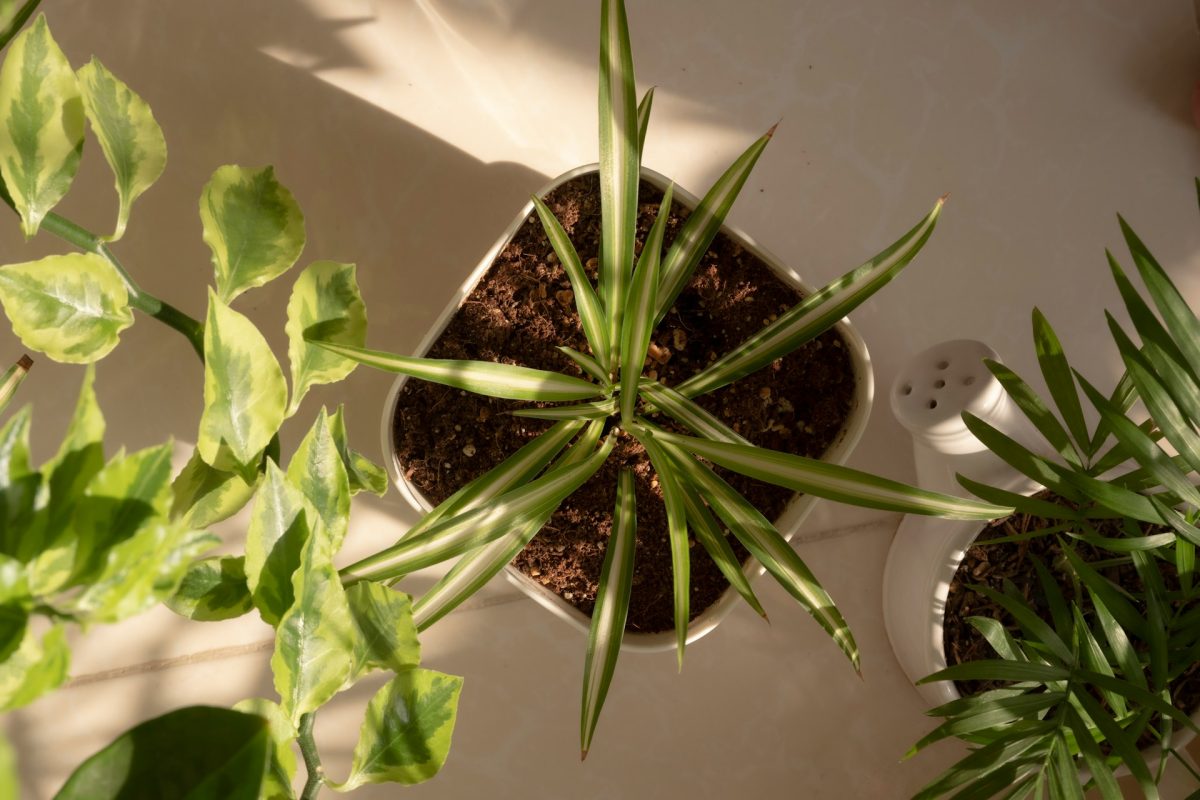
Spider plants adapt smoothly between indoor and outdoor environments, making them a favorite for flexible gardeners. Indoors, they thrive in hanging baskets or containers with indirect light and moderate watering. Outdoors, they enjoy shaded patios where they receive filtered sunlight without harsh exposure. Sudden temperature changes do not affect spider plants as much as other species, which makes transitions easier. Their ability to produce “baby” offshoots adds extra value for propagation and expansion.
Outdoor exposure often boosts spider plant growth, resulting in longer, more vibrant leaves. Indoor environments help protect them from pests and environmental stressors. Many gardeners move spider plants outside during warm months to refresh their growth cycle. Consistent watering and occasional repotting keep them healthy across both environments. Their forgiving nature makes them ideal for gardeners seeking low-maintenance versatility.
The Secret Behind Flexible Indoor-Outdoor Gardening Success
Successful indoor-outdoor gardening depends on gradual transitions rather than abrupt changes in environment. Plants respond best when gardeners adjust light, water, and temperature conditions step by step over several days. Container gardening plays a major role in making movement easier and less stressful for roots. Smart gardeners monitor weather patterns closely to avoid exposing plants to sudden frost or heat waves. These 6 options thrive because they tolerate change while still rewarding consistent care.
What plant has performed best when moved between indoor and outdoor spaces in your experience? Let’s chat about it below.
You May Also Like…
The Indoor Herb Hack: Growing Fresh Flavor in a Dark Kitchen for Pennies
Do Holiday Plants Belong in Your Outdoor Garden or Just Indoors?
Plants You Can Still Start Indoors for Free
The “Hardening Off” Mistake That Leads to Transplant Failure
How to Grow Tomatoes Successfully Without Buying Store Transplants

Brandon Marcus is a staff writer for FrugalGardening.com at District Media, Inc., where he delivers practical gardening advice with a relatable, no-nonsense style. An avid amateur gardener, he holds a BA degree and with over ten years of professional writing experience, he is also an award-winning published author whose first book, Questions For Deep Thinkers, was released by Adams Media. His work has appeared in major publications including Fandom.com, CHUD.com, TheColdWire.com, and Fansided.com.
Leave a Reply