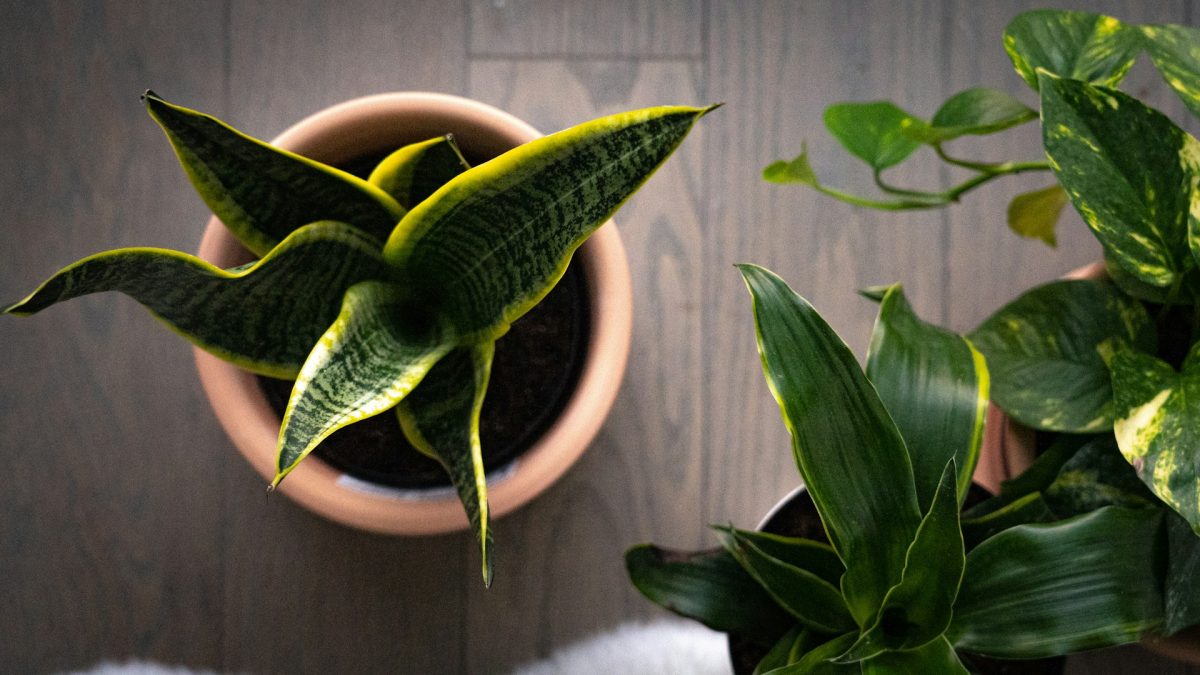
Indoor spaces often struggle with one stubborn challenge: limited natural light. Many homes across America feature shaded corners, north-facing rooms, or windows blocked by nearby buildings, and those spots often feel impossible to green up. Yet certain plants refuse to quit, even when sunlight barely shows up. These hardy performers bring life, texture, and color into dim spaces without demanding constant attention. With the right selections, even the darkest room can transform into a thriving indoor oasis.
Low-light houseplants don’t just survive; they often adapt and grow steadily when matched with the right care routine. The secret lies in choosing varieties naturally suited to forest floors or shaded environments. These plants evolved under tree canopies where direct sun rarely reaches, so they bring that resilience indoors.
1. Snake Plant: The Indestructible Indoor Champion
Snake plants thrive in conditions that would make other greenery struggle, and that toughness makes them a top pick for low-light homes. Their tall, upright leaves store water efficiently, allowing them to handle neglect without fading fast. They tolerate dim corners, artificial lighting, and inconsistent watering schedules with surprising ease. Many households place them in bedrooms or hallways where sunlight barely reaches. This plant keeps its bold structure year-round, making it a reliable design anchor for any room.
Snake plants also help improve indoor air quality, which adds another layer of value for busy households. Their slow growth means they stay manageable in size while still making a visual impact. They prefer dry soil over soggy conditions, so overwatering causes more trouble than underexposure to light. Even beginners achieve success by simply avoiding frequent watering mistakes. This plant proves that resilience and style can live in the same pot.
2. ZZ Plant: The Glossy Survivor of Dark Spaces
ZZ plants shine in low-light environments thanks to their thick, waxy leaves that store water and nutrients efficiently. Their deep green foliage reflects light beautifully, even in dim rooms, giving them a polished, almost artificial appearance. They tolerate neglect better than most houseplants and keep their shape without frequent pruning. Offices and apartments often use them to bring greenery into spaces with minimal windows. Their slow but steady growth ensures they never overwhelm small areas.
ZZ plants handle dry indoor air exceptionally well, which makes them perfect for heated or air-conditioned homes. They prefer infrequent watering, and overwatering quickly becomes their biggest threat. Their underground rhizomes store moisture, allowing them to bounce back from missed care. Many plant owners appreciate how low-maintenance they remain throughout the year. This plant turns low light into a non-issue and delivers consistent visual appeal.
3. Pothos: The Cascading Favorite for Any Corner
Pothos brings vibrant trailing vines that adapt easily to low-light environments, making it a staple in American households. Its heart-shaped leaves grow quickly even when sunlight stays limited. Hanging baskets or high shelves showcase its cascading growth beautifully in living rooms or kitchens. It tolerates inconsistent watering and forgives occasional neglect without losing its charm. Many gardeners rely on pothos to instantly brighten dull indoor spaces.
This plant also propagates easily, allowing homeowners to grow new plants from simple cuttings placed in water. Its adaptability means it shifts between bright and dim spaces without stress. Leaves may grow slightly smaller in lower light, but the plant continues producing steady growth. Regular trimming encourages fuller, bushier vines over time. Pothos proves that low light never stops momentum when care stays consistent.
4. Peace Lily: The Elegant Shade Lover
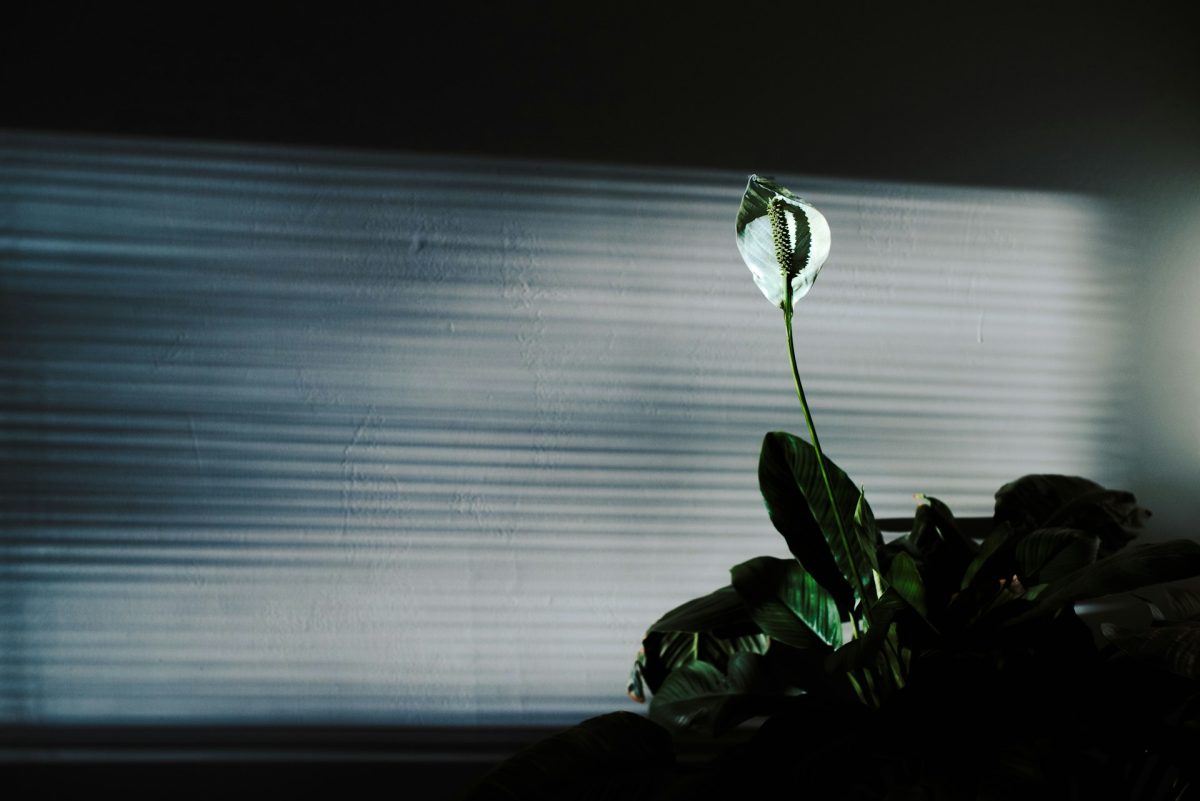
Peace lilies bring a refined, elegant look to low-light rooms with their deep green leaves and signature white blooms. They thrive in shaded environments where many flowering plants fail to produce. Their blooms often appear even in rooms with minimal natural light, which surprises many plant owners. These plants also respond clearly when they need water by drooping slightly, which helps prevent long-term damage. Their presence adds calm energy to bedrooms, offices, and living areas.
Peace lilies also support indoor air purification, which adds functional value beyond aesthetics. They prefer consistent moisture but dislike standing water in their pots. Their leaves can grow large and lush when placed in stable, low-light conditions. Regular wiping of leaves helps them absorb available light more efficiently. This plant combines beauty and resilience in a way few others match.
5. Cast Iron Plant: The Ultimate Low-Light Workhorse
Cast iron plants earn their name through sheer toughness and ability to withstand neglect in dim environments. They grow slowly but steadily, producing broad, deep green leaves that hold their shape well. Many homes place them in corners, entryways, or shaded hallways where other plants struggle. They tolerate temperature swings and low humidity without losing their structure. Their durability makes them a favorite for busy households that want greenery without constant upkeep.
This plant handles poor lighting better than most common houseplants available today. It prefers dry to moderately moist soil and resists most pests naturally. Its slow growth reduces the need for repotting or frequent maintenance. Even in near-shadow conditions, it maintains its deep green color and healthy appearance. Cast iron plants deliver consistency where other plants fade out.
6. Chinese Evergreen: The Colorful Shade Performer
Chinese evergreen plants bring color variations that brighten low-light interiors with patterned leaves in silver, green, or red tones. They adapt well to indoor lighting conditions that fall below average sunlight levels. Their slow growth helps them maintain a compact shape suitable for desks, corners, or small apartments. Many plant owners choose them for their decorative foliage rather than flowers. They continue to perform steadily even when light conditions remain less than ideal.
These plants handle humidity changes well and do not require constant watering to stay healthy. Their leaf patterns become more pronounced when kept in stable indoor environments. They respond well to occasional fertilizing during the growing season. Their adaptability makes them a strong choice for beginners and experienced gardeners alike. Chinese evergreen proves that color and resilience can thrive together indoors.
The Secret To Low-Light Success
Low-light plants succeed not because they demand perfect care, but because they evolved for survival in shaded ecosystems. Each of these six options brings a different strength, from trailing vines to structural foliage to subtle blooms. Homeowners who match plant type with room conditions see the best long-term results. Overwatering causes more issues than low light in most cases, so restraint often leads to healthier growth. Choosing resilient species creates a low-stress indoor garden that stays green year-round.
Which of these low-light plants would fit best in your home, and what room needs a greenery upgrade first? Head down to our comments section to talk about it.
You May Also Like…
5 Plants That Multiply So Fast You’ll Never Need to Buy Them Again
Which Indoor Plants Are Best For The Start Of The New Year?
The Indoor Herb Hack: Growing Fresh Flavor in a Dark Kitchen for Pennies
The Molasses Mystery: Why Sugar Makes Your Microbes (And Plants) Go Wild
The “Native” Advantage: Why Local Plants Save You Hundreds in Maintenance

Brandon Marcus is a staff writer for FrugalGardening.com at District Media, Inc., where he delivers practical gardening advice with a relatable, no-nonsense style. An avid amateur gardener, he holds a BA degree and with over ten years of professional writing experience, he is also an award-winning published author whose first book, Questions For Deep Thinkers, was released by Adams Media. His work has appeared in major publications including Fandom.com, CHUD.com, TheColdWire.com, and Fansided.com.
Leave a Reply