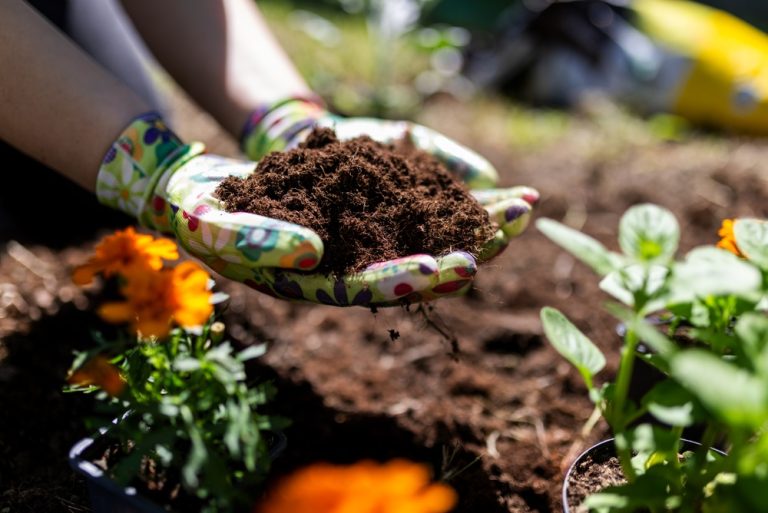
Fall garden cleanup creates a mountain of tempting compost material, but not everything that came out of the garden belongs in that pile. Some plants can carry diseases, spread from stubborn pieces of root, or dump a fresh crop of weed seeds into the compost you plan to use next year. That does not mean…
compost pile
7 Kitchen Scraps That Belong in Compost—and 4 That Do Not
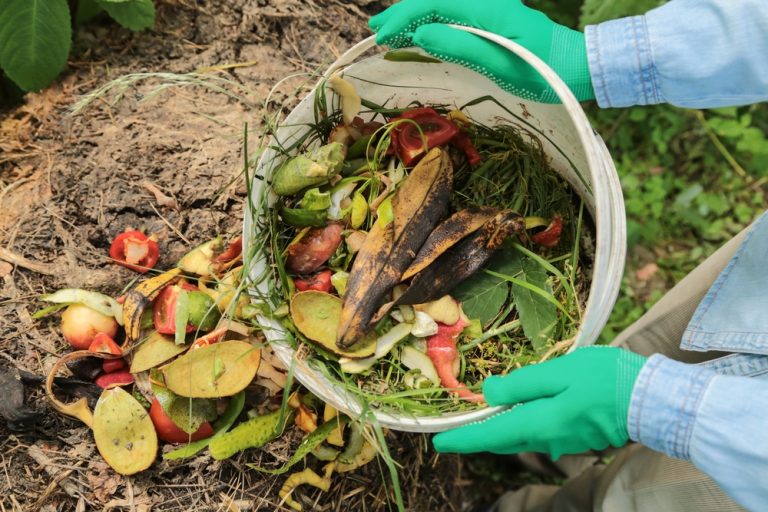
The compost bin can turn a surprising amount of kitchen waste into useful organic matter for the garden. Apple cores, coffee grounds, vegetable trimmings, and even crushed eggshells can all find a second life in the pile, while certain leftovers can create more trouble than they are worth. Knowing the difference keeps composting simpler and…
Should You Compost Diseased Plants? The Answer Depends on How Hot Your Pile Gets
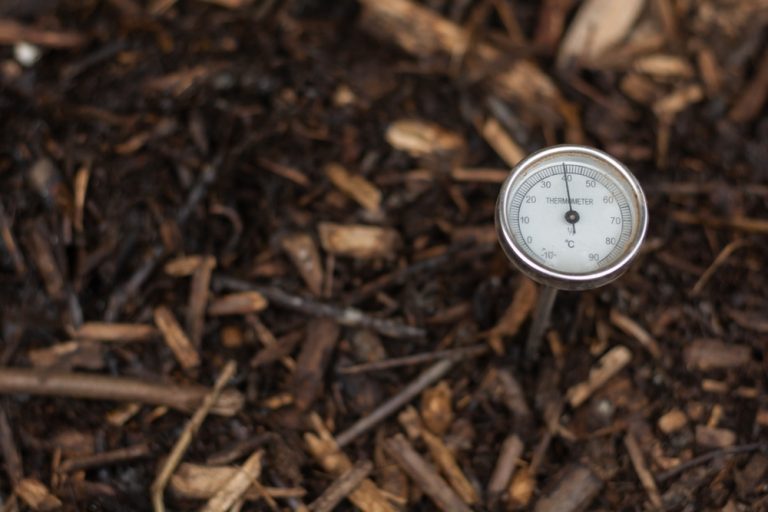
Composting diseased plants sounds wonderfully efficient: the tomato plant gets sick, the garden removes it, and the compost pile turns the whole mess into something useful. Unfortunately, the compost pile does not automatically know which microbes are helpful and which ones came along for the ride. If the pile never reaches adequate temperatures throughout the…
Is It Safe to Compost Plants With Powdery Mildew?
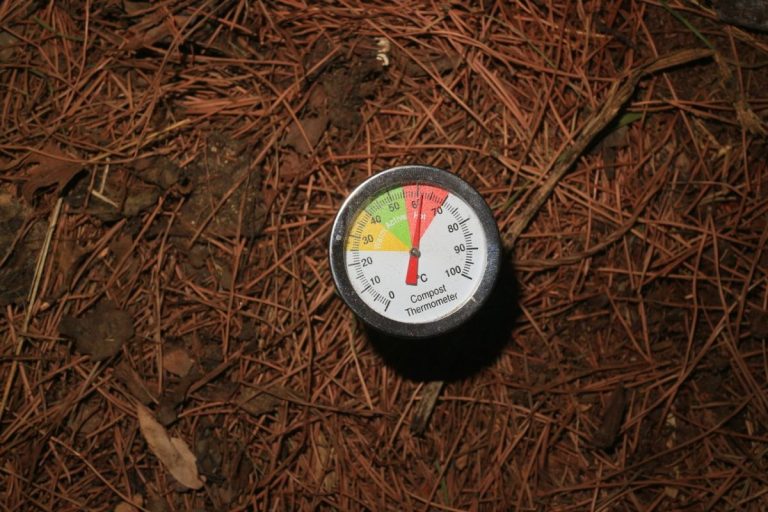
Powdery mildew can make a perfectly respectable garden plant look as though someone dusted it with flour. The good news: gardeners do not automatically need to ban every mildew-spotted leaf from the compost pile, but the answer depends heavily on how hot and active that pile gets. A casual backyard heap that slowly decomposes presents…
Composting in Hot Weather: How Turning and Moisture Control Speed Up Decomposition
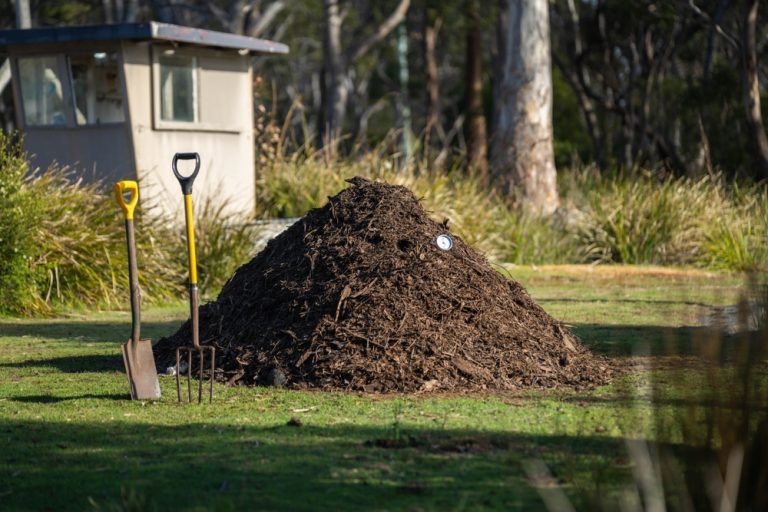
Hot weather can turn a compost pile into a fast-moving recycling machine, but only when the balance stays just right. Summer heat gives beneficial microbes a natural boost, yet blazing temperatures can also dry out a pile so quickly that decomposition slows to a crawl. A few simple habits, especially regular turning and careful moisture…
Why Garden Composting in Winter Works Better Than You Think
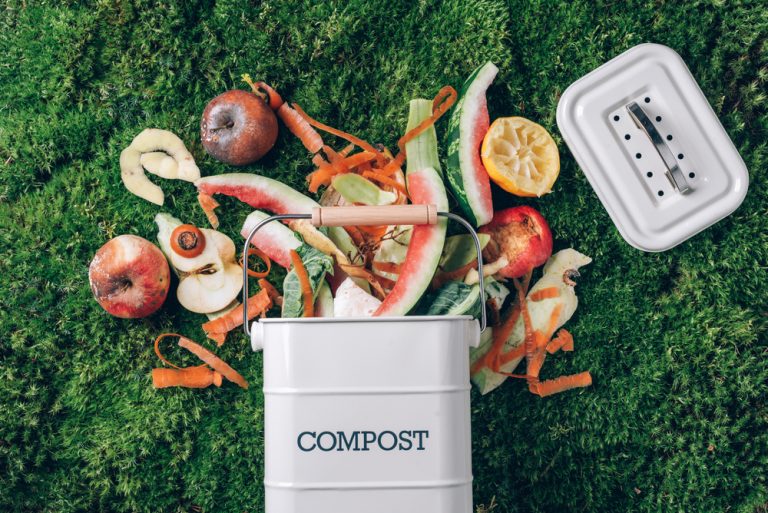
Winter has a reputation problem, especially in the garden. The days get shorter, the air bites back, and everything looks frozen, silent, and completely unproductive. That’s exactly why winter composting feels like a wild idea, the kind gardeners quietly dismiss until spring rolls around again. But here’s the twist: winter composting isn’t a desperate fallback…
12 Ways to Build Soil Over Winter Using Leaves, Compost & More
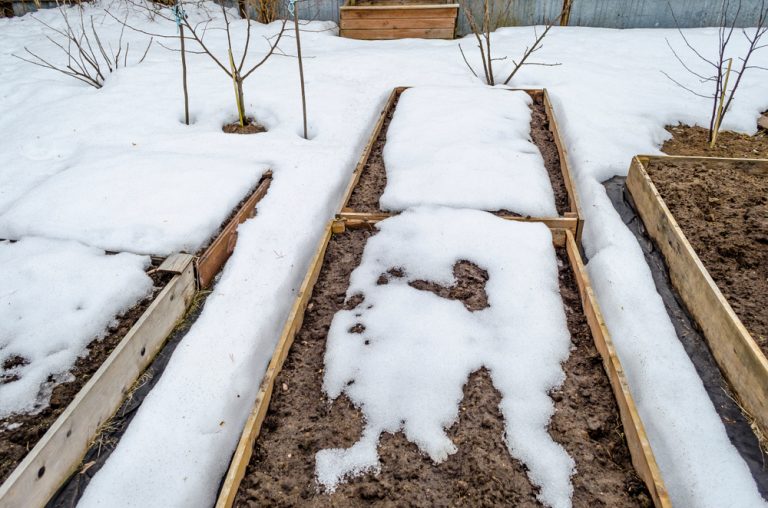
A cold snap hits, the garden beds go quiet, and most people assume the soil is ready for hibernation. But winter is actually the perfect time to supercharge your soil so it wakes up in spring richer, fluffier, and more fertile than ever. With the right ingredients—leaves, compost, kitchen scraps, mulch, and a few clever…
The Right Way to Seal and Insulate Your Compost Pile for Winter

You know that moment when the air gets cold enough that your breath becomes visible and suddenly your backyard feels like it belongs to someone far hardier than you? That’s when most people abandon their compost pile, whisper “good luck,” and hope nature figures it out. But winter composting doesn’t have to be a survival…
The Bed-Cleaning Trick That Makes Your Compost Work Twice as Fast
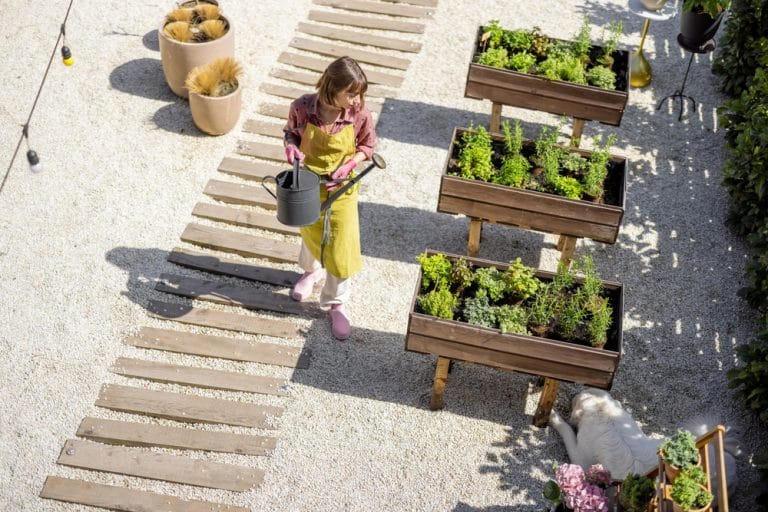
You remember that electric little thrill you get when you stumble onto a gardening secret so simple, so clever, so ridiculously effective that you wonder why it isn’t printed on seed packets in bold letters? This is one of those secrets. Gardeners love hacks, but this one isn’t a hack—it’s practically a superpower. It transforms…
10 Garden Structures Worth Building in Cooler Weather
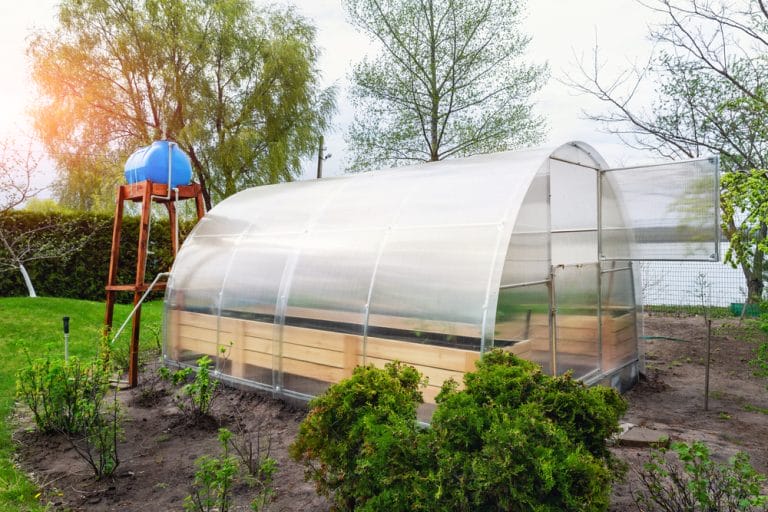
The moment the air turns crisp and the afternoons feel just a little shorter, something magical happens in the yard: the garden becomes a blank slate again. Cooler weather makes heavy lifting easier, materials less blistering-hot to handle, and weekend projects infinitely more enjoyable. Suddenly, all the structures you dreamed about during the summer heat…