Bargain perennials can look like the clearance-bin equivalent of a sad puppy, but a droopy plant in a tiny pot does not necessarily mean a lost cause. A temporary nursery bed gives inexpensive perennials a place to recover, build roots, and gain size before they move into their permanent garden homes. Instead of forcing a small plant to compete with established roots, weeds, and thirsty neighbors, give it a simpler assignment: grow.
This approach also solves a common gardening dilemma. The plant sale ends, the perennials cost next to nothing, and suddenly there are twelve new plants sitting beside the garage while the garden has exactly zero available spaces. Rather than playing botanical Tetris, create a temporary bed where the plants can receive appropriate light, moisture, and care until the final design has room for them. A nursery bed does not need to look fancy, and that is part of its charm.
1. Claim a Small Patch of Open Ground
The easiest nursery bed starts with an ordinary patch of ground that does not currently serve another purpose. Choose an area with conditions that suit the plants you bought, because a temporary bed still needs sensible light, drainage, and soil. Full-sun perennials need adequate sunlight, while shade-loving plants need protection from harsh afternoon exposure. Penn State Extension recommends evaluating sunlight, moisture, drainage, wind, soil texture, and nearby structures before establishing perennial plantings.
Keep the bed compact enough to manage without turning watering into a part-time job. Remove competing grass and weeds, loosen the soil, and incorporate compost or other organic matter when the existing soil needs improvement. Avoid creating a swampy holding area simply because the plants need water, since many perennials dislike constantly saturated soil. A well-drained bed gives inexpensive plants a much better place to recover and produce useful new growth. The temporary nature of the bed does not excuse poor site preparation, but it also does not require a garden makeover worthy of a magazine cover.
2. Turn a Raised Bed Into a Perennial Waiting Room
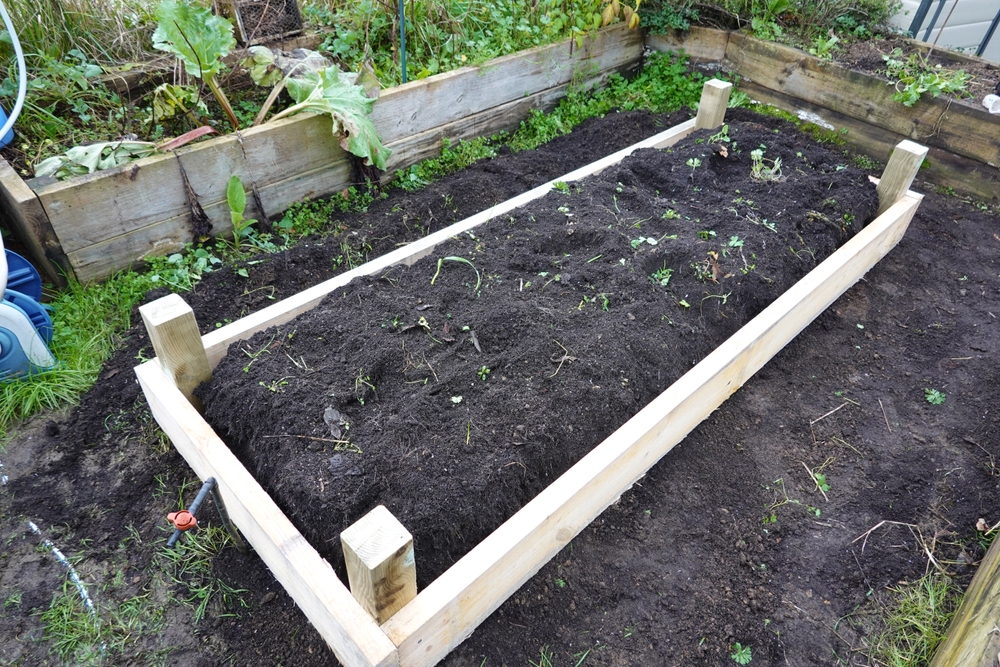
A shallow raised bed can make an excellent nursery area when the native soil drains poorly or the garden lacks a convenient patch of ground. Use untreated lumber, stone, or another suitable edging material to create a defined growing space, then fill it with quality soil or improve the existing soil rather than piling a mountain of rich material onto compacted ground. The goal involves creating a manageable root zone, not building a miniature botanical fortress. Good soil texture matters because organic matter can improve structure and water-holding capacity.
Raised beds also make bargain plants easier to monitor. A gardener can quickly spot weeds, insect damage, wilting, or plants that need additional room before small problems become expensive ones. Keep the bed accessible from the sides so nobody needs to stomp through the planting area while carrying a hose. Give each perennial enough room to develop without cramming plants together simply because the bed looks empty on planting day. Those little plants have plans, and eventually they intend to take up more real estate.
3. Use a Temporary Bed Near the Vegetable Garden
A spare strip beside a vegetable garden can double as a nursery bed, provided the location offers suitable light and does not interfere with crop rotation or regular garden work. This setup works especially well for perennials that need a season or two to gain size before moving into an ornamental border. Keep the nursery plants clearly separated from vegetables with a simple edging line, labels, or stakes so a hurried weeding session does not turn into an accidental perennial massacre. Labels matter even more when bargain plants arrive without flowers or when several cultivars look nearly identical.
Watering also becomes easier when the nursery bed sits near an existing hose or irrigation system. Newly planted perennials need consistent moisture while they establish, but they should not sit in perpetually soggy soil. Penn State recommends soaking newly planted perennials after planting and checking them regularly so the roots do not dry out. A convenient location therefore saves both water and the gardener’s patience, which might count as a gardening tool in its own right.
4. Make a “Grow Before You Go” Bed for Divisions
A nursery bed can also give divided perennials a temporary home while they develop before moving into the main landscape. Many established perennials benefit from division every few years, although some plants dislike disturbance and require different propagation methods. Instead of scattering small divisions throughout the garden, group them in one easy-to-monitor area where they can receive appropriate care. This arrangement proves especially useful when a mature clump produces more divisions than the current garden design can accommodate.
Handle divisions carefully and replant them at the appropriate depth rather than burying them deeply in an attempt to give their roots extra protection. Water thoroughly after planting and monitor soil moisture while the plants establish. A light mulch layer can conserve moisture and reduce weed competition, but keep mulch from piling directly against plant crowns. The temporary bed becomes a sort of garden recovery room, except nobody has to wear scrubs or bring flowers.
5. Build a No-Frills Bed With Simple Edging
A nursery bed does not need expensive materials, elaborate irrigation, or architectural ambition. A clearly marked rectangle of prepared soil can do the job beautifully, especially when the gardener wants maximum flexibility and minimum expense. Use simple edging to distinguish the bed from surrounding lawn, and leave enough space around it to weed, water, inspect, and eventually dig plants without damaging neighboring specimens. Penn State recommends mulch around perennial plantings to conserve moisture and suppress weeds, making a modest layer useful even in a temporary growing area.
Keep the bed organized with sturdy plant labels that identify each perennial and, when useful, its eventual destination. That small habit can prevent the classic late-summer mystery of “What on earth is that?” when a plant loses its flowers and its tag disappears beneath foliage. When the plants reach a suitable size, move them during an appropriate planting window for the species and local conditions, taking care to keep roots from drying during the process. A temporary nursery bed ultimately works because it separates two jobs that gardeners often try to force into one: growing the plant and designing the final garden. Give each job its own space, and bargain plants suddenly look less like impulse purchases and more like smart investments.
Give Bargain Plants Room to Become Garden Stars
A temporary nursery bed turns inexpensive perennials into flexible garden inventory. Instead of squeezing every new purchase into the landscape immediately, gardeners can give young or recovering plants the light, moisture, soil, and elbow room they need before deciding exactly where they belong. That strategy can make plant sales considerably more tempting, although perhaps a little dangerous for the wallet. It also creates a practical place for divisions, rescued plants, clearance specimens, and perennials that simply need another season before they make their grand debut. The best nursery bed may look almost boring, but its real job happens underground as roots settle into their new surroundings. With a little planning, that humble patch of soil can become one of the most useful pieces of real estate in the entire garden.
What bargain perennial would you rescue first and give a temporary nursery bed of its own?
You May Also Like…
6 Perennials to Divide When the Hottest Weather Begins Easing
Is It Time to Stop Encouraging New Growth on Perennials?
Why Do Some Garden Beds Stay Wet Long After a Storm?
Can a Garden Bed Pay for Itself? A Realistic Cost Breakdown
How to Prep Garden Beds Without Buying Bagged Mixes

Brandon Marcus is a staff writer for FrugalGardening.com at District Media, Inc., where he delivers practical gardening advice with a relatable, no-nonsense style. An avid amateur gardener, he holds a BA degree and with over ten years of professional writing experience, he is also an award-winning published author whose first book, Questions For Deep Thinkers, was released by Adams Media. His work has appeared in major publications including Fandom.com, CHUD.com, TheColdWire.com, and Fansided.com.
Leave a Reply