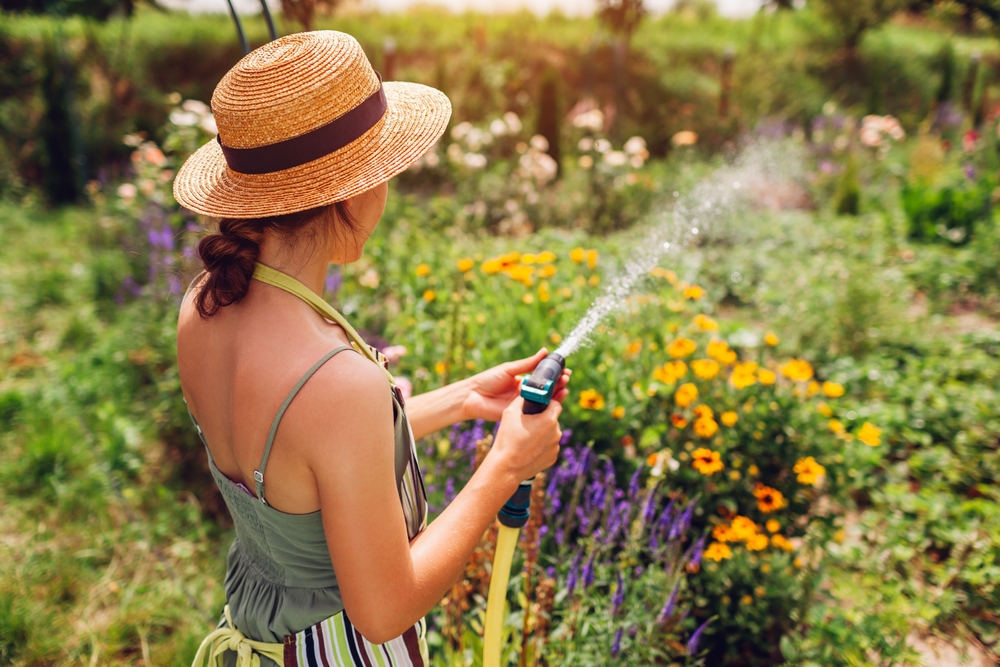
Late-summer travel can create a surprisingly awkward problem for gardeners: the suitcase gets packed, the itinerary looks fantastic, and the tomato plants remain at home silently wondering who will handle their hydration. A few days without attention can stress containers, newly planted shrubs, vegetables, hanging baskets, and thirsty houseplants, especially when heat and wind accelerate moisture loss.
A vacation does not require turning the garden into a high-maintenance hostage situation. A little preparation before leaving can stretch soil moisture, reduce heat stress, and give plants a much better chance of looking respectable when the luggage rolls back through the front door. The trick involves preparing for the conditions plants will face rather than simply giving everything one gigantic drink and hoping for the best.
1. Give the Garden a Deep Drink Before Leaving
Start with the soil, not the leaves, a day or so before departure, and check moisture below the surface because a damp-looking top layer can hide surprisingly dry soil underneath. For garden beds, water deeply enough to moisten the root zone rather than sprinkling the surface until everything looks shiny. Proven guidance recommends checking soil moisture several inches down, since watering needs vary with soil type, plant size, weather, and recent rainfall.
That approach matters even more for newly planted trees and shrubs, which need consistent moisture while their root systems establish. Containers deserve their own inspection because small pots can dry out quickly during hot weather, particularly when they sit in full sun or wind. Give each container a thorough watering and make sure excess water can drain away, because soaking a pot until it becomes a miniature swamp creates a different problem from drought.
2. Put Mulch to Work
Mulch can function like a quiet vacation assistant because it slows evaporation from the soil surface and helps moderate soil temperatures while nobody watches the weather forecast every three hours. A layer of organic mulch around garden plants can help the soil retain moisture during a hot, dry stretch, which gives roots access to water for longer between visits.
Placement matters, though, because more mulch does not automatically mean more protection. Around trees and shrubs, keep mulch away from trunks and stems, and avoid piling it excessively deep because overly thick mulch can restrict water movement, reduce oxygen around roots, and keep poorly drained soil too wet. For containers, a modest layer of suitable mulch can also reduce evaporation, making it especially useful for thirsty patio plants that spend their days baking beside a sunny door.
3. Move Containers Out of the Danger Zone
Containers often need the most vacation planning because their limited soil volume gives them less moisture to work with than plants growing in the ground. Move vulnerable pots away from hot afternoon sun and drying wind, choosing a sheltered location with appropriate light for each plant instead.
Do not automatically shove every pot into the darkest corner of the yard, either, because a plant still needs enough light to function normally. Instead, group containers according to their light needs and move the thirstiest or most heat-sensitive plants into safer positions. Hanging baskets deserve special attention because their exposed position can make them dry remarkably fast, and some may need watering more than once a day during hot weather.
4. Use Drip Irrigation or Soaker Hoses
For longer trips, automated irrigation can remove much of the guesswork, particularly when several beds need attention. Drip irrigation and soaker hoses deliver water near the soil and root zone instead of throwing water across foliage, and they can provide a slow, steady soak when properly installed.
The crucial word here is test. Never install a timer five minutes before heading to the airport and assume everything will magically work, because hoses kink, emitters clog, timers malfunction, and one enthusiastic sprinkler can water the sidewalk with tremendous dedication. Run the system before leaving, inspect where the water actually lands, and adjust the schedule according to the weather, soil, and plants rather than relying on a generic setting.
5. Remove the Plants’ Biggest Vacation Problems
A little pruning and harvesting can reduce the workload while the garden fends for itself. Pick ripe tomatoes, cucumbers, peppers, beans, and other produce before leaving so mature fruit does not sit on plants attracting pests or becoming overripe, and remove obviously damaged or diseased plant material that could create additional problems. Careful watering near plant bases can also reduce leaf wetting and help limit certain disease issues.
Then take a final tour that goes beyond watering cans and hoses. Check that containers have drainage holes, supports hold up heavy plants, trellises remain secure, and any irrigation equipment works as intended. If a neighbor or friend will check the garden, leave simple instructions focused on what actually matters, such as which pots dry quickly and which plants need regular attention, rather than handing over a 14-page botanical emergency manual.
Make the Garden Vacation-Proof, Not Vacation-Perfect
Plants do not need pampering every hour of the day, but they do need protection from the predictable problems that late summer can throw at them. Deep watering, sensible mulch, strategic container placement, reliable irrigation, and a quick pre-trip cleanup can dramatically reduce the odds of returning to a garden full of crispy surprises.
The smartest preparation also recognizes that overwatering can cause trouble just as surely as neglect. Give plants enough moisture for the conditions, make sure excess water can escape, and build a plan around the particular plants and soil rather than treating the entire yard like one giant thirsty blob. With a little planning before departure, vacation can remain vacation instead of becoming an emergency gardening expedition the moment the car gets back into the driveway.
What is the best trick that has kept your garden alive while you were away for a late-summer trip?
You May Also Like…
8 Ways to Help Young Fruit Trees Through Dry Late-Summer Weeks
7 Soil Amendments You May Find Discounted in Late Summer
Should You Thin Late-Sown Root Crops Differently in Warm Soil?
6 Late-Summer Crops That Earn Their Space in a Small Garden
7 Muted Flower Colors Showing Up in Modern Summer Borders

Brandon Marcus is a staff writer for FrugalGardening.com at District Media, Inc., where he delivers practical gardening advice with a relatable, no-nonsense style. An avid amateur gardener, he holds a BA degree and with over ten years of professional writing experience, he is also an award-winning published author whose first book, Questions For Deep Thinkers, was released by Adams Media. His work has appeared in major publications including Fandom.com, CHUD.com, TheColdWire.com, and Fansided.com.
Leave a Reply