Gardeners love seeing fresh green shoots appear, but late-season new growth on perennials can create a tricky situation. As temperatures drop, that tender growth often lacks the strength needed to handle winter conditions, which means a little gardening excitement can turn into a seasonal headache.
The goal is not to stop plants from growing altogether, because healthy perennials need energy and natural cycles to return year after year. Instead, gardeners should learn when to step back, put away the fertilizer, and let plants prepare for their quiet winter rest. A garden sometimes needs a gentle “not right now” instead of another round of encouragement.
Late Summer Growth Can Create Winter Problems
Perennials follow their own internal calendars, and many plants begin preparing for dormancy as the growing season winds down. When gardeners add fertilizer or stimulate new growth too late, plants may focus energy on producing fresh leaves and stems instead of storing resources for winter. Those young shoots often lack the tougher structure that older growth develops over time. A sudden frost can damage this tender tissue, leaving plants looking rough before winter even arrives.
The timing varies depending on the plant, climate, and weather patterns, so there is no single date when every garden should stop encouraging growth. A gardener in a warm region may continue normal care longer than someone facing early autumn freezes. Perennials such as ornamental grasses, coneflowers, peonies, and daylilies naturally slow down as temperatures change. Fertilizing these plants late in the season can push them in the wrong direction. The healthiest fall garden often comes from respecting what plants already know how to do.
Fertilizer Is Not Always a Fall Friend
Many gardeners reach for fertilizer when plants look a little tired, but autumn often calls for a different approach. Nitrogen-rich fertilizers especially encourage leafy growth, which makes sense during spring when plants build their framework for the season ahead. In fall, that same boost can create soft new growth that struggles when cold weather arrives. A garden does not need a late-season energy drink when it should prepare for a long nap.
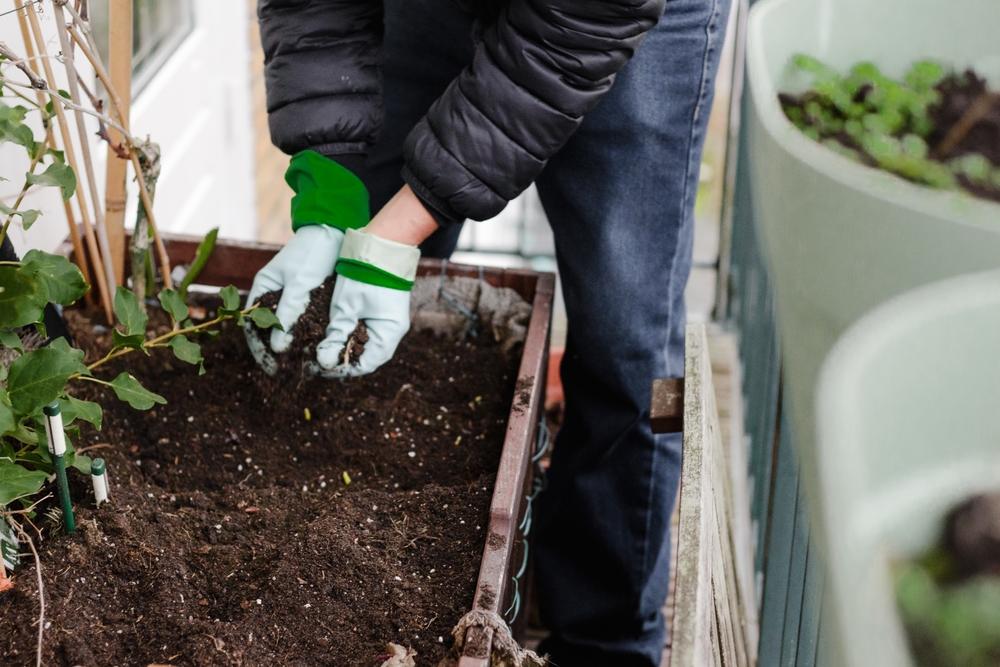
Compost offers a gentler option because it improves soil structure and adds nutrients gradually over time. Mulch also helps perennials by protecting roots from temperature swings and reducing moisture loss. Gardeners can focus on improving the soil rather than pushing plants to produce more leaves. A thick layer of organic mulch around many perennials can create a protective blanket without forcing unwanted growth. Sometimes the best fall gardening move involves doing less, not more.
Cutting Back and Cleanup Require Good Timing
Fall cleanup creates plenty of debate among gardeners because some plants benefit from removal while others provide valuable winter interest. Many perennials produce seed heads that feed birds and add texture to the landscape during colder months. Leaving plants such as coneflowers and ornamental grasses standing can support wildlife and create visual appeal. However, gardeners should remove diseased foliage to prevent problems from carrying into the next growing season. The trick involves knowing which plants need a haircut and which deserve to keep their winter wardrobe.
Cutting back healthy plants too early can remove valuable energy storage opportunities. Many perennials continue moving nutrients from leaves into their roots after flowers fade. Waiting until foliage naturally declines often gives plants more time to complete that process. Gardeners can watch for yellowing leaves, collapsed stems, or clear signs that the plant has entered dormancy. A little patience in autumn often rewards the garden when spring returns.
Letting Perennials Rest Creates Stronger Spring Gardens
A quiet garden does not mean a neglected garden. Winter preparation works best when gardeners support natural plant cycles instead of constantly trying to control every stage of growth. Perennials evolved with seasonal changes, and many varieties handle cold weather better when gardeners avoid unnecessary late-season stimulation. The fall garden may look less busy, but important work happens below the soil surface. Roots continue their seasonal tasks even when flowers disappear.
The best gardens follow nature’s rhythm instead of fighting it. Have late-season fertilizer habits changed the way your perennials handle winter, or have you found another fall gardening trick that works beautifully? Let’s talk about your experience in the comments.
You May Also Like…
7 Edible Perennials That Can Fill Awkward Garden Spaces
Are Night-Blooming Flowers Worth Adding to a Small Yard?
Should You Cut Back Perennials That Flop After Heavy Rain?
The Backyard Garden Design Trend Everyone Is Copying in 2026
Spring Cleaning Your Soil: The Way to Wake Up Your Garden

Brandon Marcus is a staff writer for FrugalGardening.com at District Media, Inc., where he delivers practical gardening advice with a relatable, no-nonsense style. An avid amateur gardener, he holds a BA degree and with over ten years of professional writing experience, he is also an award-winning published author whose first book, Questions For Deep Thinkers, was released by Adams Media. His work has appeared in major publications including Fandom.com, CHUD.com, TheColdWire.com, and Fansided.com.
Leave a Reply