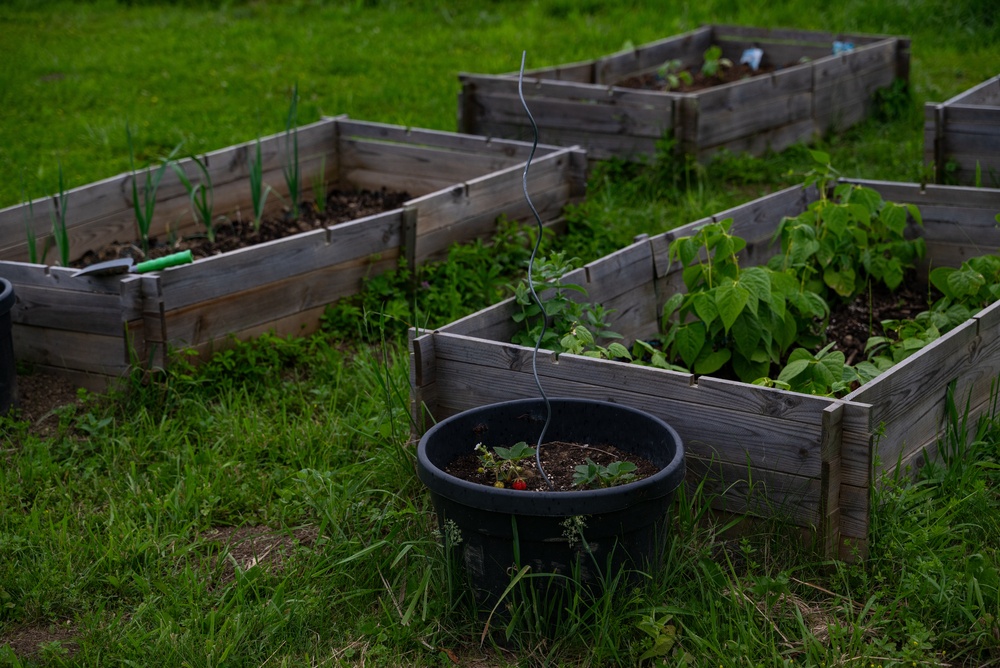
Good news, gardeners: a raised bed can move without sending all that beautiful, expensive soil to the compost pile. The trick involves treating the soil like a living garden resource rather than a box of dirt that happens to sit above ground.
Moving the frame usually creates less trouble than moving what fills it. Soil can become surprisingly heavy, especially after rain, and digging out a mature raised bed can disturb roots, beneficial organisms, drainage layers, and the carefully built soil structure that took seasons to develop. Fortunately, gardeners can save most of that investment with the right approach.
Move the Bed, Not the Whole Garden
The easiest scenario involves an empty raised bed, especially one that contains only soil and no established plants. Remove the soil in manageable amounts, place it on a tarp or in sturdy containers, move the frame, then return the soil to its new home.
A tarp works particularly well because it keeps the soil together and makes cleanup much easier. Spread the tarp beside the bed, shovel the soil onto it, and avoid creating one enormous mountain that requires a heroic amount of lifting later.
Before moving anything, mark where the soil came from if the bed contains different materials or layers. Keep finished compost, topsoil, and other amendments mixed into the soil rather than separating every shovel-full, because the existing blend already supports the crops that grew there.
Timing Makes the Job Much Easier
Dry or slightly moist soil generally gives gardeners a better working condition than saturated soil. Wet garden soil becomes heavier, sticks to tools, and can form clumps that lose the loose structure vegetables prefer.
Late fall or early spring often provides a convenient window because many beds contain fewer plants, although the best timing depends on what grows in the bed. Moving an active bed during the growing season creates a much bigger headache because vegetables, herbs, roots, and soil organisms all become part of the relocation project.
If perennial herbs or other long-lived plants occupy the bed, consider moving those plants separately rather than hauling the entire bed as one giant garden sandwich. Dig around each plant carefully, keep its roots intact, and temporarily place it somewhere protected while the frame and soil move.
Know When the Soil Needs a Refresh
Moving soil does not mean keeping every ounce of it forever, especially when the bed contains obvious problems. Remove soil that smells rotten, contains persistent disease problems, shows signs of chemical contamination, or has become heavily compacted and difficult to improve.
Healthy soil, however, deserves preservation. A productive raised bed contains organic matter, minerals, microorganisms, and pore spaces that help roots access air and water, and tossing everything out simply because the bed changed locations wastes that work.
After returning the soil to the relocated bed, inspect its texture before adding anything. If it feels dense, mix in finished compost or another appropriate organic amendment rather than automatically adding a giant load of new material, because more compost does not always equal better soil.
The Sneaky Problem: Drainage
The new location matters just as much as the moving technique. A raised bed that sat over well-drained ground can behave very differently after relocation, particularly if the new spot collects water or sits over compacted soil.
Set the frame on reasonably level ground and check how water moves through the area before filling it again. Raised beds generally benefit from good drainage, and gardeners should avoid creating a bathtub by placing impermeable material beneath the bed without a specific reason.
Once the frame sits in its new position, return the soil without packing it down aggressively. Let the soil settle naturally through watering and normal gardening activity, then top it up later if settling creates a noticeable drop in the soil level.
Give That Saved Soil a Fresh Start
Moving a raised bed offers a perfect excuse to inspect the soil rather than replace it automatically. Look for earthworms, crumbly texture, decent drainage, and a pleasant earthy smell, while also checking for compacted areas or large clumps that need attention.
A simple soil test can provide useful information when the bed has grown vegetables for several seasons, particularly if plants have started performing poorly. Test results can guide decisions about nutrients and pH far more accurately than adding fertilizer based on guesswork.
If the relocated bed needs more soil, add a quality garden-soil mix gradually and blend it with the existing material. Avoid filling the bed with straight compost, because compost works best as part of a balanced growing medium rather than as the entire root zone.
When Moving the Soil Gets Ridiculous
Some raised beds simply should not move while full. A large, deep bed packed with moist soil can become extremely heavy, and attempting to drag or lift the entire structure can damage the frame, the garden, or somebody’s back.
For a large bed, emptying the soil onto tarps or into sturdy containers makes far more sense. Work in manageable batches, keep the soil protected from excessive rain, and move the frame separately before returning the soil.
That approach also gives gardeners a chance to improve the bed’s location without starting the garden from scratch. A little extra labor can preserve years of soil-building work, which makes considerably more sense than dumping perfectly good soil and buying replacement material later.
Keep the Good Dirt Where It Belongs
A raised bed relocation does not require a complete soil funeral. Empty the bed carefully, move the frame, inspect the new location for drainage and level ground, then return the healthy soil and make targeted amendments based on what the soil actually needs.
The biggest mistake involves treating all soil as interchangeable filler. Good garden soil carries the history of previous crops, organic matter, nutrients, microorganisms, and structure, so preserving it can give the relocated bed a much better starting point.
What would make you more likely to move a raised bed instead of starting over with fresh soil? Share your garden-moving strategy in the comments.
You May Also Like…
5 Ways to Turn an Overgrown Herb Bed Into a Fall Harvest
What Should You Do When a Raised Bed Sinks Midseason?
Why Do Some Garden Beds Stay Wet Long After a Storm?
8 DIY Raised Garden Bed Ideas That Don’t Require Expensive Lumber
Early Termite Warning Signs Around Garden Beds

Brandon Marcus is a staff writer for FrugalGardening.com at District Media, Inc., where he delivers practical gardening advice with a relatable, no-nonsense style. An avid amateur gardener, he holds a BA degree and with over ten years of professional writing experience, he is also an award-winning published author whose first book, Questions For Deep Thinkers, was released by Adams Media. His work has appeared in major publications including Fandom.com, CHUD.com, TheColdWire.com, and Fansided.com.
Leave a Reply