
The hottest part of summer can make the garden look like it has officially checked out for the season, but late summer brings a useful opportunity: dividing crowded perennials. As temperatures begin to moderate, several established plants can handle division with less stress than they would during a sweltering midsummer afternoon. Division does more than…
garden maintenance
Is Your Garden Ready for Shorter Days and Longer Nights?
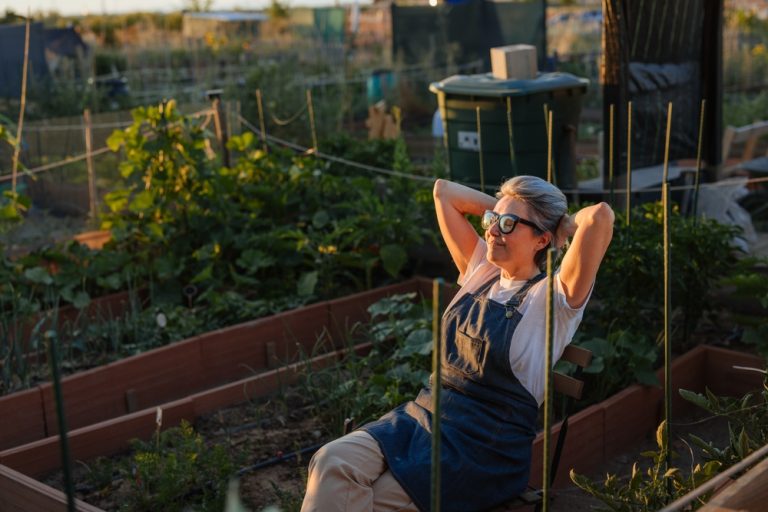
The calendar may still insist that summer has plenty of life left, but the garden already knows better. As daylight fades a little earlier each evening, plants begin shifting gears, even when afternoons still feel hot enough for lemonade and a shady hammock. That quiet seasonal change affects everything from flowering to vegetable production, making…
Is It Time to Stop Encouraging New Growth on Perennials?
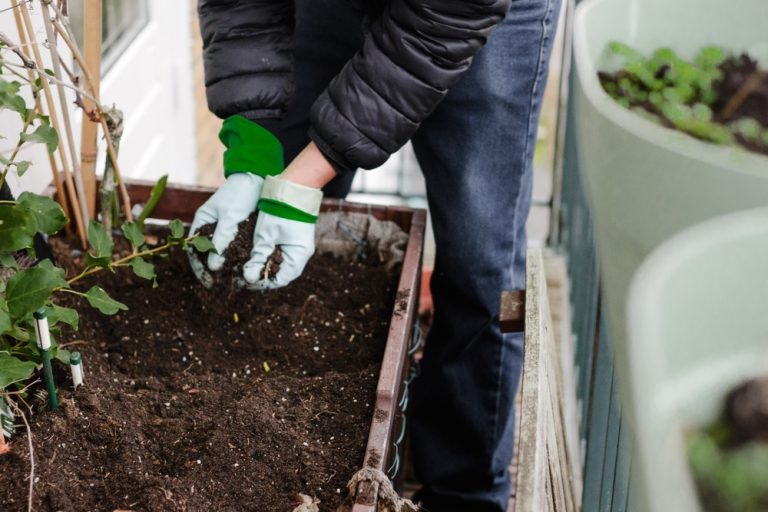
Gardeners love seeing fresh green shoots appear, but late-season new growth on perennials can create a tricky situation. As temperatures drop, that tender growth often lacks the strength needed to handle winter conditions, which means a little gardening excitement can turn into a seasonal headache. The goal is not to stop plants from growing altogether,…
8 Ways to Keep a July Garden Productive Without Buying New Plants
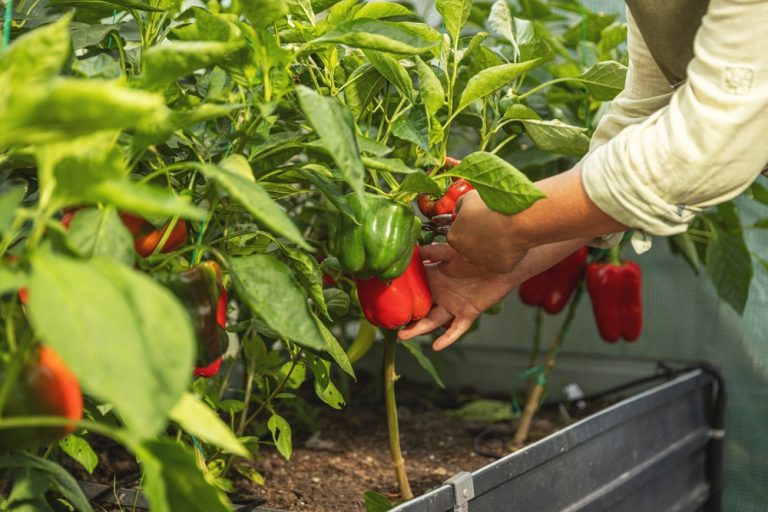
July often brings a strange mix of excitement and disappointment in the garden. Tomato vines stretch toward the sky, cucumbers seem to multiply overnight, and then suddenly a few beds start looking tired, wilted, or downright lazy. Many gardeners assume the only solution involves another trip to the garden center, but the plants already growing…
What Should You Do When a Raised Bed Sinks Midseason?
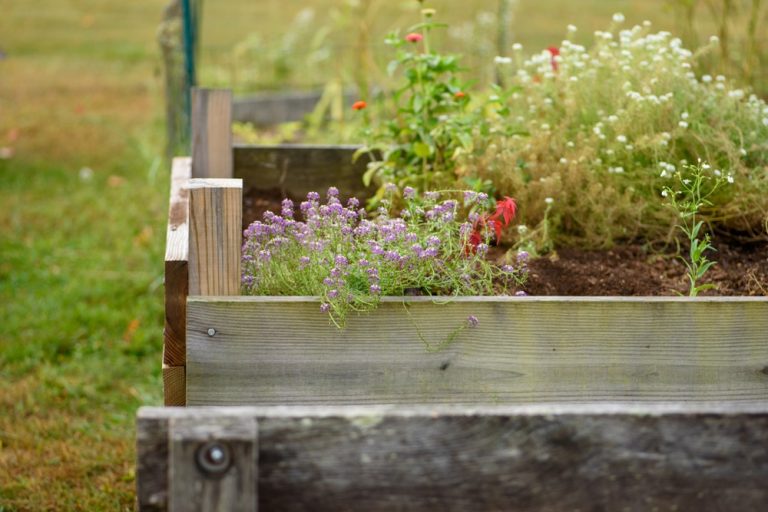
A raised bed that suddenly drops several inches in the middle of summer can spark instant panic. Plants lean at odd angles, watering changes overnight, and gardeners often assume the entire bed needs rebuilding. Fortunately, a sinking bed rarely signals disaster, and quick action can keep vegetables healthy for the rest of the season. Most…
5 Garden Repairs to Make Before the Next Summer Storm
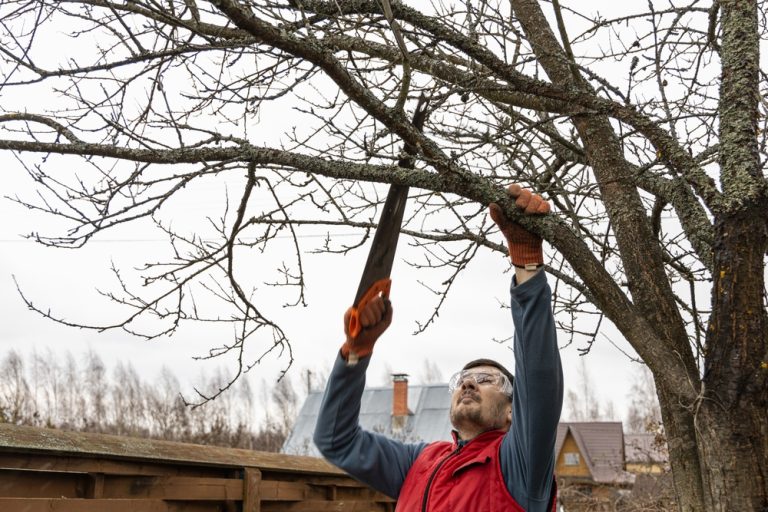
Summer storms have a talent for finding the one loose fence panel, wobbly trellis, cracked branch, or clogged drain that everyone forgot about. A garden can look perfectly fine under blue skies, then turn into a slapstick production the moment wind and heavy rain arrive. A few small repairs before the next storm can protect…
7 Heat-Safe Garden Chores Worth Doing Before Breakfast
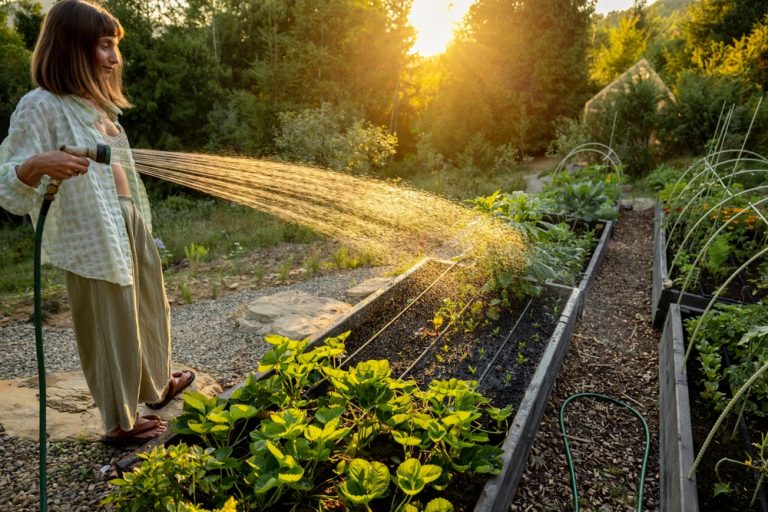
The coolest part of the day offers the biggest opportunity for gardeners. A few well-timed tasks before breakfast can protect plants from scorching afternoon temperatures while keeping gardening safer and far more enjoyable. Summer gardens never seem to hit the pause button. Tomatoes ripen overnight, weeds appear as if they received an invitation, and thirsty…
When Midseason Fertilizer Helps—and When It Burns Stressed Plants
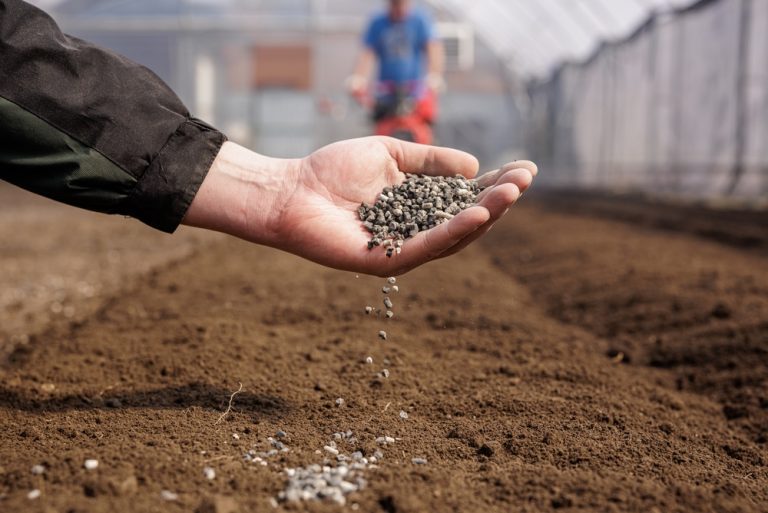
Midseason fertilizer can feel like a magic trick. Plants start looking a little tired, tomatoes seem less productive, and leafy vegetables lose some of their early-season enthusiasm. The natural reaction involves reaching for a bag of fertilizer and hoping for a quick turnaround. Sometimes that works beautifully. Other times, that same fertilizer pushes already-stressed plants…
Why Summer Gardening Feels Harder Than It Did 10 Years Ago
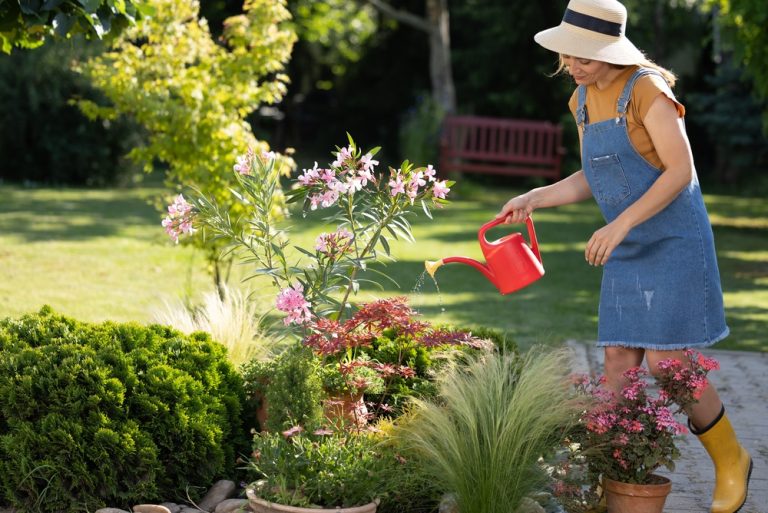
Summer used to feel predictable in the garden. A few hot days rolled in, plants perked up with regular watering, and everything settled into a steady rhythm of growth and color. Now the season feels less like a rhythm and more like a test of endurance. Heat arrives earlier, lingers longer, and sometimes shows up…
8 Things Successful Gardeners Always Do Before a Heatwave
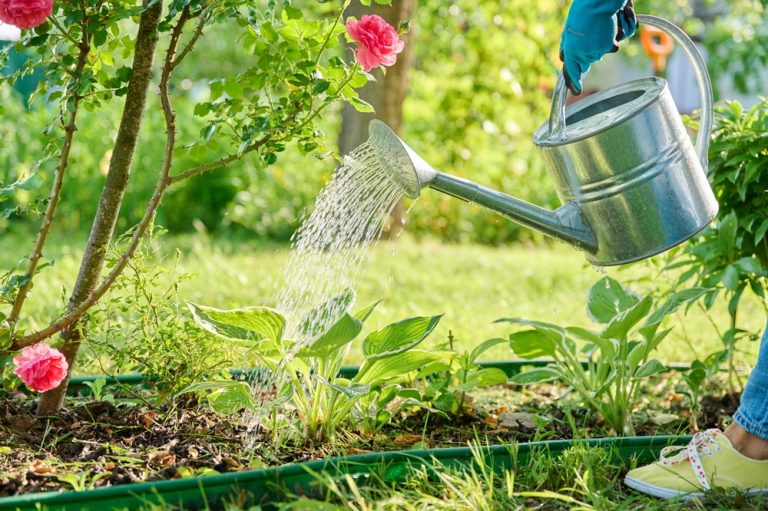
A heatwave can turn a beautiful garden into a stressful emergency in just a few days. One week, plants look lush and productive. The next, leaves droop, flowers fade, and vegetables struggle to keep up with the relentless sun. Gardeners who consistently grow healthy plants know that preparation matters far more than scrambling to fix…