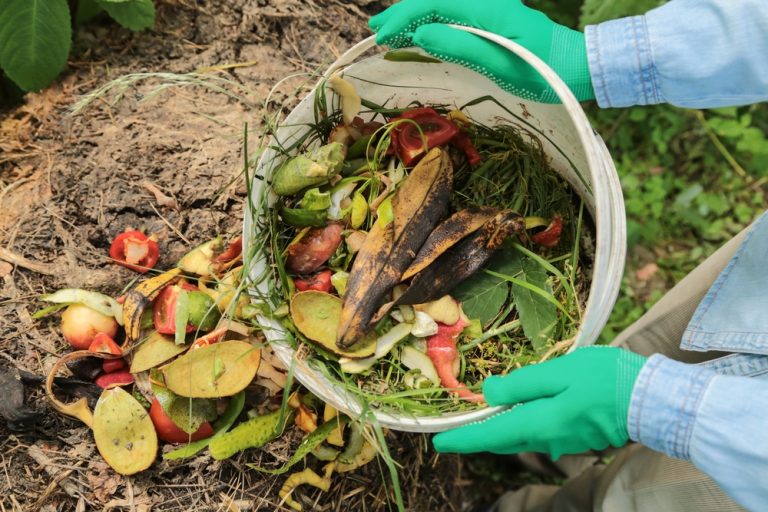
The compost bin can turn a surprising amount of kitchen waste into useful organic matter for the garden. Apple cores, coffee grounds, vegetable trimmings, and even crushed eggshells can all find a second life in the pile, while certain leftovers can create more trouble than they are worth. Knowing the difference keeps composting simpler and…
backyard gardening
6 End-of-Summer Weeds You May Want to Identify Before Pulling
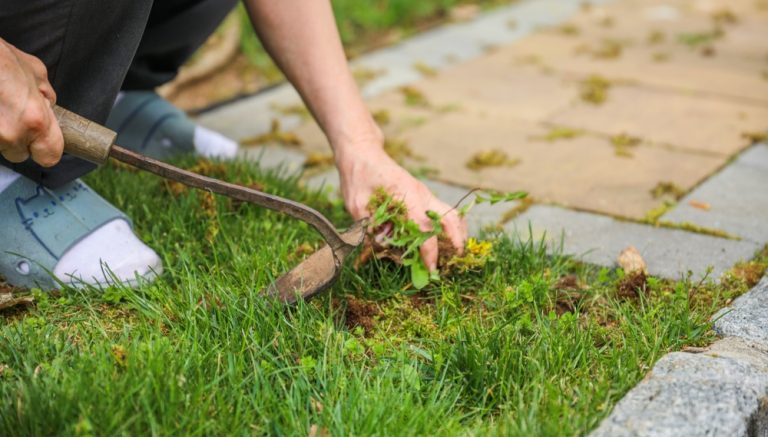
Late summer can reveal the plants that spent June and July quietly plotting a takeover. Before grabbing the garden gloves and yanking every unfamiliar green thing from the soil, take a closer look, because some weeds deserve a proper identification first. A few may irritate allergies, some can produce an astonishing number of seeds, and…
How to Shade a Vegetable Garden Without Buying Expensive Structures
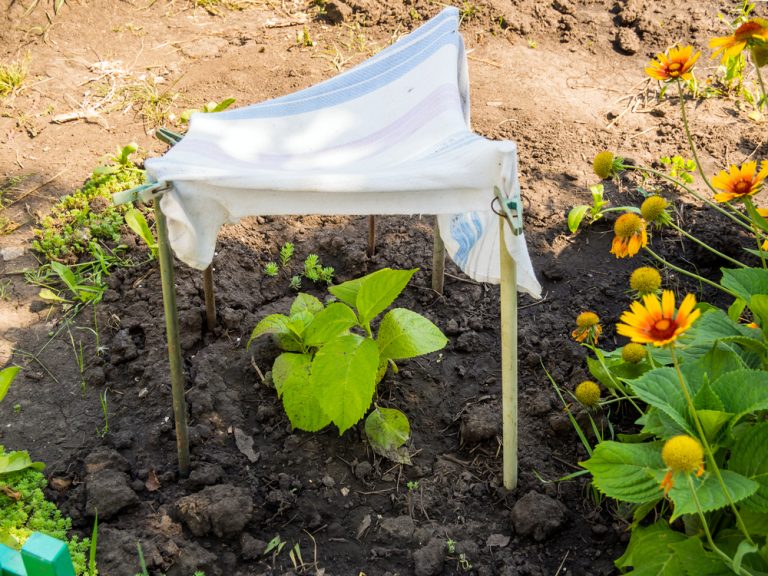
A vegetable garden does not need an elaborate pergola, pricey greenhouse kit, or backyard construction project to get a break from brutal summer sun. A few inexpensive materials, some strategic positioning, and a little garden ingenuity can create useful shade when heat starts stressing lettuce, spinach, young seedlings, and other vegetables that prefer cooler conditions….
A Closer Look at Garden Supplies Worth Buying at End-of-Season Clearance
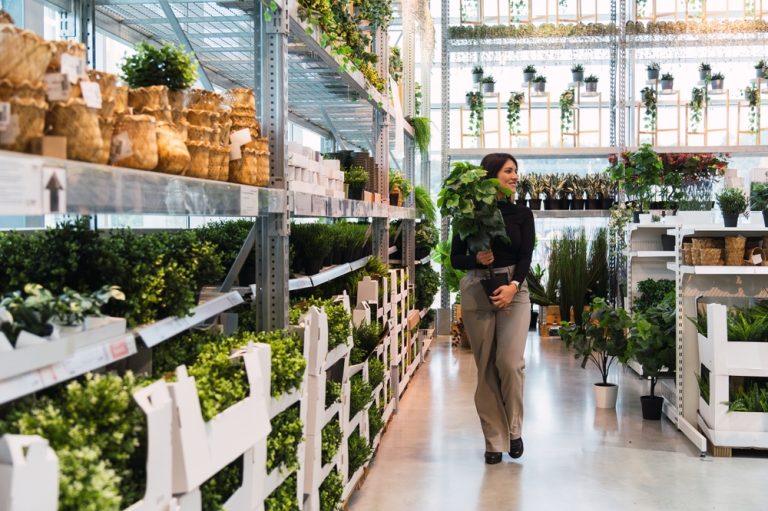
End-of-season garden clearance can turn a routine trip past the garden center into a surprisingly productive treasure hunt. As retailers make room for fall merchandise, gardeners can find useful tools, containers, trellises, soil amendments, and other supplies marked down simply because the calendar changed. That does not mean every lonely bag or battered package deserves…
5 Ways to Turn an Unused Corner Into a Perennial Food Patch
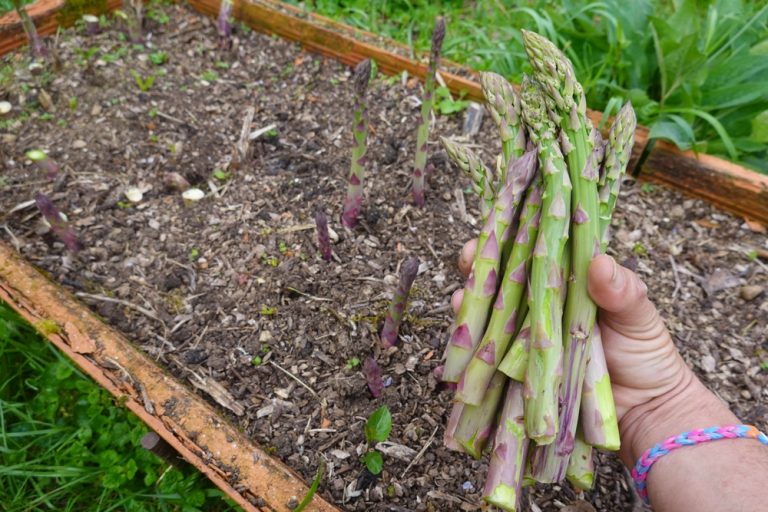
That awkward corner of the yard does not need to remain the place where forgotten pots, a hose, and one suspiciously rusty shovel go to retire. With the right perennial edibles, even a small, overlooked patch can become a dependable source of food that returns year after year with far less replanting than an annual…
7 Ways to Make a Garden More Useful After Sunset
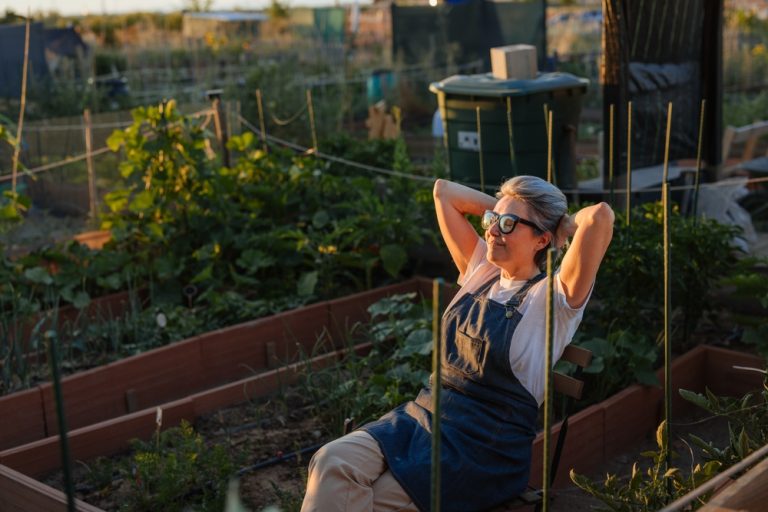
A garden does not have to clock out when the sun disappears. With a few smart additions, the same patch of soil that produces tomatoes, flowers, herbs, and leafy greens during the day can become a comfortable place to relax, entertain, cook, or simply enjoy the cooler evening air. The trick involves designing for nighttime…
Can You Grow Saffron Crocus in an Ordinary Backyard?

An ordinary backyard can produce saffron, and the plant does not require a sprawling estate, greenhouse, or secret handshake with a professional spice farmer. Saffron comes from Crocus sativus, a fall-blooming perennial corm that can grow in garden beds, raised beds, and containers when gardeners give it the conditions it wants. The catch comes at…
6 Ways to Use August Garden Clippings Without Sending Them to the Curb
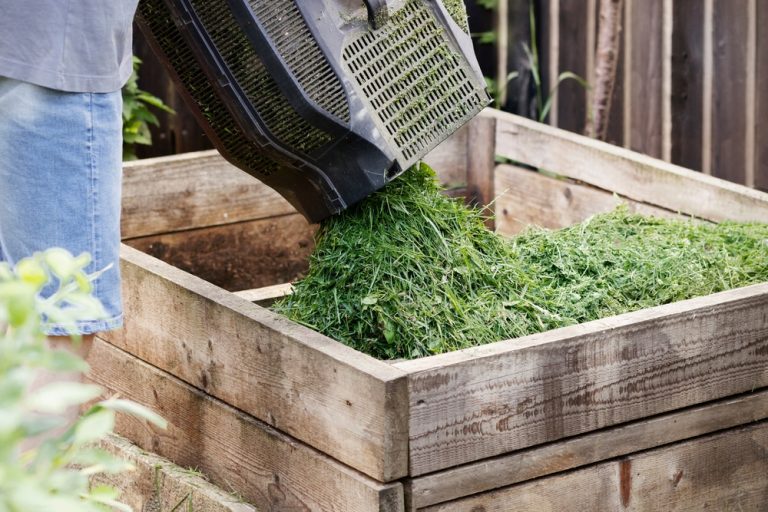
August can turn a garden into a leafy crime scene. Tomatoes have sprawled across paths, zucchini leaves have swallowed nearby plants, spent flowers have piled up, and the hedge suddenly looks like it needs its own postal code. Before stuffing all those clippings into bags for the curb, take a closer look because much of…
Can You Move a Raised Bed Without Replacing All the Soil?
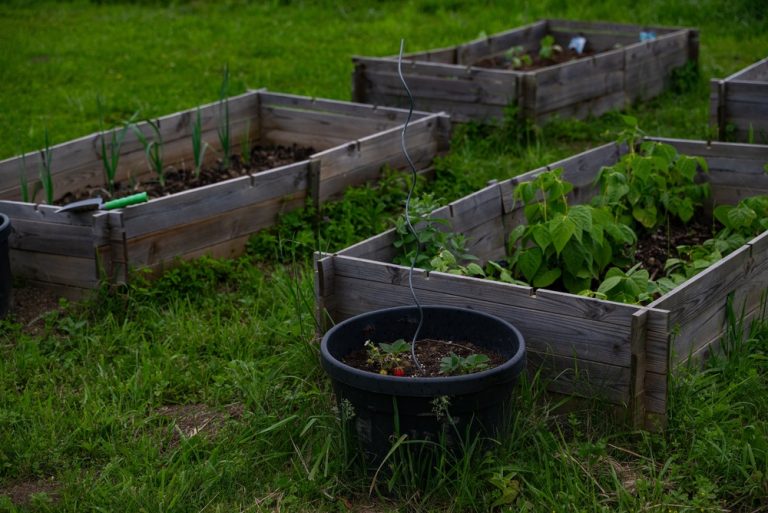
Good news, gardeners: a raised bed can move without sending all that beautiful, expensive soil to the compost pile. The trick involves treating the soil like a living garden resource rather than a box of dirt that happens to sit above ground. Moving the frame usually creates less trouble than moving what fills it. Soil…
7 Ways to Prepare a Garden Shed for Fall Without Buying Organizers
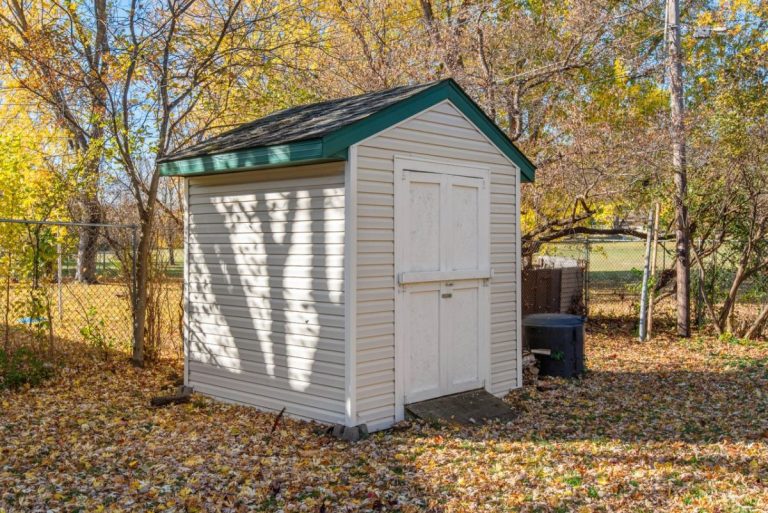
Fall has a funny way of exposing every bad decision made in a garden shed since spring. A shovel ends up behind three bags of potting mix, twine develops an impressive relationship with the pruning shears, and somebody puts the hose nozzle somewhere so mysterious that it may require an archaeological dig. Preparing the shed…