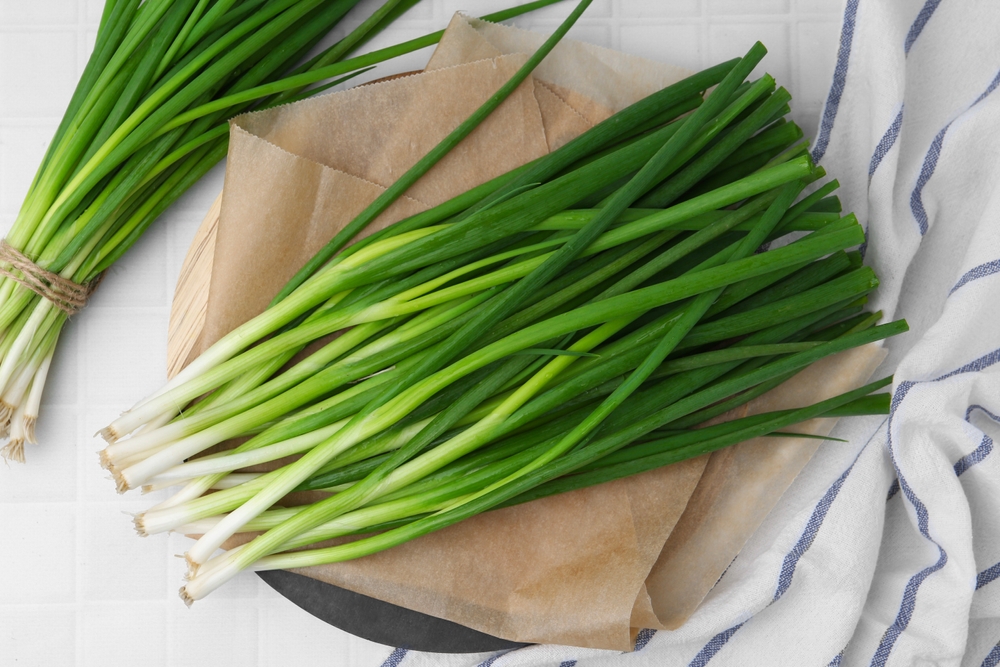
Fresh food does not always need a seed packet, a garden center trip, or a complicated setup. Some of the most useful ingredients in the kitchen can grow again right from leftover scraps sitting on the cutting board. This simple approach turns food waste into fresh produce and stretches grocery dollars further than most people expect. A sunny windowsill and a few jars can kickstart a surprising amount of regrowth.
The best part comes from watching everyday kitchen leftovers transform into something edible again. Small changes in how scraps get handled can lead to a steady cycle of fresh harvests at home.
1. Green Onions That Never Run Out of Steam
Green onions rank as one of the easiest foods to regrow from scraps because they bounce back quickly. The white root ends placed in a glass of water start producing fresh green shoots within days. A bright window keeps the growth steady and prevents weak, pale stalks. Cutting the greens for cooking does not stop the regrowth cycle, which makes them incredibly efficient.
After a week or two, the roots may grow longer and stronger if the water stays fresh. Moving them into soil allows even more robust regrowth over time. Many kitchens keep a small jar going year-round for constant access. This simple trick reduces grocery trips while adding fresh flavor to meals.
2. Romaine Lettuce That Rebuilds Its Leaves
Romaine lettuce cores often get tossed without a second thought, but they still hold plenty of life. Placing the base in shallow water encourages new leaves to sprout from the center. A sunny location helps the plant rebuild its structure slowly but steadily. Fresh growth usually appears within a few days if conditions stay consistent.
Once the new leaves grow several inches, transplanting into soil improves long-term results. The regrown lettuce may not form a full head, but it still works well for salads and wraps. Rotating water changes keeps bacteria from slowing down the process. This method turns kitchen waste into a steady supply of fresh greens.
3. Celery That Keeps Crunching Back
Celery bases often feel like the end of the road after chopping, but they can regrow with ease. Placing the base in a shallow dish of water encourages a tight cluster of new stalks in the center. Bright light supports stronger growth and prevents limp stems. Within a week, new leaves begin forming at the top.
After roots develop, moving celery into soil leads to more substantial regrowth. The new stalks may grow smaller but still pack the same flavor and crunch. Regular watering keeps the plant productive for weeks. This process turns one celery bunch into multiple harvests over time.
4. Garlic That Sprouts More Than Expected
Garlic cloves often sprout in the pantry, and those sprouts signal regrowth potential. Planting a single clove in soil produces a full garlic plant over time. Green shoots appear first and can be harvested as mild garlic greens. A sunny spot helps the plant grow stronger roots beneath the soil.
Each clove produces one bulb, but the greens alone add value in cooking. Regular watering keeps the plant healthy without much effort. Many gardeners use sprouted garlic instead of throwing it away. This simple reuse method turns aging pantry garlic into a fresh ingredient source.
5. Potatoes That Multiply Underground
Potatoes with small “eyes” offer a powerful regrowing option when planted in soil. Cutting seed pieces with at least one eye each allows new plants to form. Once planted, sprouts push upward while roots expand below the surface. Sunlight and loose soil help support healthy tuber development.
Over time, each planted piece can produce several new potatoes. Hilling soil around the plant encourages larger yields. Kitchen scraps turn into a full harvest when given enough time and space. This method transforms a single potato into a future batch of meals.
6. Basil That Keeps the Flavor Coming
Fresh basil stems often root easily when placed in a glass of water. New roots form within a week if the water stays clean and the light remains steady. Once roots develop, planting in soil helps the herb grow fuller and stronger. Regular trimming encourages bushier growth instead of tall, weak stems.
Basil responds quickly to harvesting, which makes it ideal for continuous regrowth. Keeping a few stems going ensures a steady supply for sauces and salads. Warm indoor spots help the plant stay productive longer. This herb rewards simple care with frequent harvests.
7. Ginger That Expands Beneath the Soil
Ginger knobs with visible growth buds can regrow when planted in soil. Placing the piece just under the surface allows shoots to emerge upward. Warmth and moisture play a big role in steady development. Over time, the plant expands underground with new rhizomes forming.
Harvesting small pieces does not stop the plant from continuing its cycle. Keeping soil loose helps ginger spread more easily. A single piece from the grocery store can turn into multiple future harvests. This slow but rewarding process builds a steady supply over time.
8. Onions That Regrow from the Root Base
Onion bases left after chopping can regrow when placed in soil or shallow water. Green shoots appear first and grow quickly with enough sunlight. Transplanting into soil strengthens the plant and supports bulb formation. Regular watering keeps the growth cycle active.
While full onions may take time to develop, the green tops grow quickly for cooking use. Many kitchens keep a few regrowing at different stages. This method reduces waste and extends the value of every onion purchased. A small leftover root base can lead to ongoing harvests.
A Kitchen That Keeps Giving Back
Regrowing food scraps creates a steady loop of fresh produce without extra grocery runs. Each item offers a slightly different timeline, but all respond well to basic light, water, and patience. Small jars on a windowsill or pots in a sunny corner can turn waste into ongoing harvests. The process builds awareness of how much food still holds potential after trimming. Even beginners can set up a simple regrowing station with impressive results over time. Kitchen scraps stop being trash and start becoming part of the next meal cycle.
Which food scrap surprised you most, and which one will you try regrowing first?
You May Also Like…
9 Flowers That Secretly Help Your Vegetable Garden Grow Better
Why More Homeowners Are Replacing Grass With Food Gardens in 2026
10 Vegetables That Produce the Most Food for the Least Money
7 Vegetables People Are Panic-Planting Again Because Grocery Prices Won’t Stop Rising
7 Foods You Should Grow Instead of Buying This Year

Brandon Marcus is a staff writer for FrugalGardening.com at District Media, Inc., where he delivers practical gardening advice with a relatable, no-nonsense style. An avid amateur gardener, he holds a BA degree and with over ten years of professional writing experience, he is also an award-winning published author whose first book, Questions For Deep Thinkers, was released by Adams Media. His work has appeared in major publications including Fandom.com, CHUD.com, TheColdWire.com, and Fansided.com.
Leave a Reply