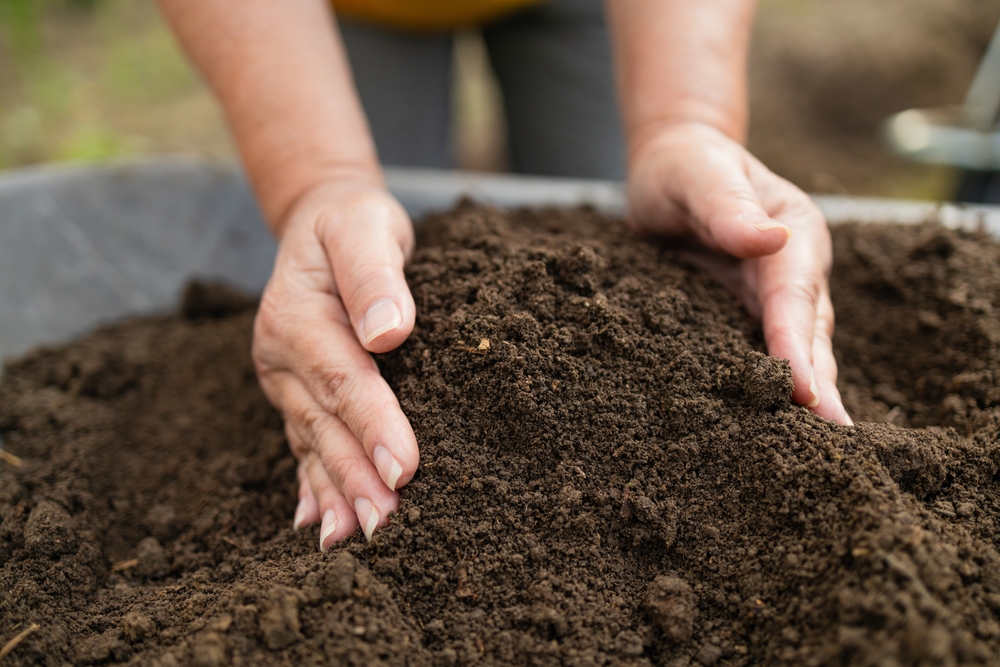
A gorgeous garden rarely starts with perfect dirt. Plenty of American gardeners battle sandy patches, rocky yards, clay-heavy beds, or tired soil that looks about as fertile as a parking lot. Yet tomatoes still ripen, peppers still pop, and herbs still explode with flavor when gardeners learn how to work with the soil instead of fighting it. Great harvests often come from strategy, not luxury.
Low-nutrient soil scares off beginners because gardening culture loves to glorify rich black earth that crumbles like chocolate cake. Real life looks different. Suburban backyards, urban lots, rental properties, and older homes often contain compacted or depleted ground that struggles to support demanding plants. Smart gardeners adapt with practical methods that stretch every nutrient and moisture molecule available.
1. Sandy Soil Delivers Faster Growth Than Most Gardeners Expect
Sandy soil drains quickly, warms up early in spring, and allows roots to spread with very little resistance. Gardeners across coastal states and dry Southwestern regions often complain about nutrient loss, but this soil also creates ideal conditions for carrots, radishes, potatoes, and garlic. Root crops especially thrive because loose particles allow vegetables to expand without deformities or heavy compaction. A carrot grown in dense clay may twist like modern art, while sandy soil produces long, straight roots that look grocery-store perfect. Fast drainage also reduces the risk of fungal diseases that attack waterlogged plants during humid summers.
The biggest challenge comes from moisture retention because sandy soil behaves like a giant colander during hot weather. Smart gardeners solve that problem by adding compost, leaf mold, grass clippings, or shredded bark to hold water around roots longer. Mulch becomes essential because exposed sand heats up fast enough to stress young seedlings during July heat waves. Drip irrigation systems also perform extremely well in sandy beds because slow watering prevents nutrients from washing away too quickly. Instead of viewing sandy soil as hopeless, experienced gardeners treat it like a lightweight growing medium that simply needs frequent hydration and steady organic matter.
2. Clay Soil Holds More Potential Than Its Reputation Suggests
Clay soil frustrates gardeners because it turns rock-hard during drought and sticky enough to trap boots after rainstorms. Despite that reputation, clay actually contains plenty of mineral nutrients that plants crave for strong growth and fruit production. Gardeners throughout the Midwest and Southeast often grow massive tomato plants and towering sunflowers in clay-heavy gardens once roots establish properly. The soil also retains moisture exceptionally well, which helps vegetables survive scorching summer temperatures without constant watering. During dry August stretches, clay beds often outperform sandy gardens because moisture lingers below the surface much longer.
Successful clay gardening depends heavily on timing and soil structure management. Working wet clay creates hard clumps that restrict airflow and choke root systems, so gardeners usually wait until the soil crumbles slightly before planting or digging. Compost, shredded leaves, gypsum, and pine bark gradually loosen dense texture while encouraging worms and beneficial microbes to move in. Raised rows also help tremendously because they improve drainage and warm the soil faster in spring. Many longtime gardeners eventually appreciate clay because once it improves, it becomes incredibly productive and resilient during unpredictable weather patterns.
3. Rocky Soil Creates Surprisingly Tough and Productive Plants
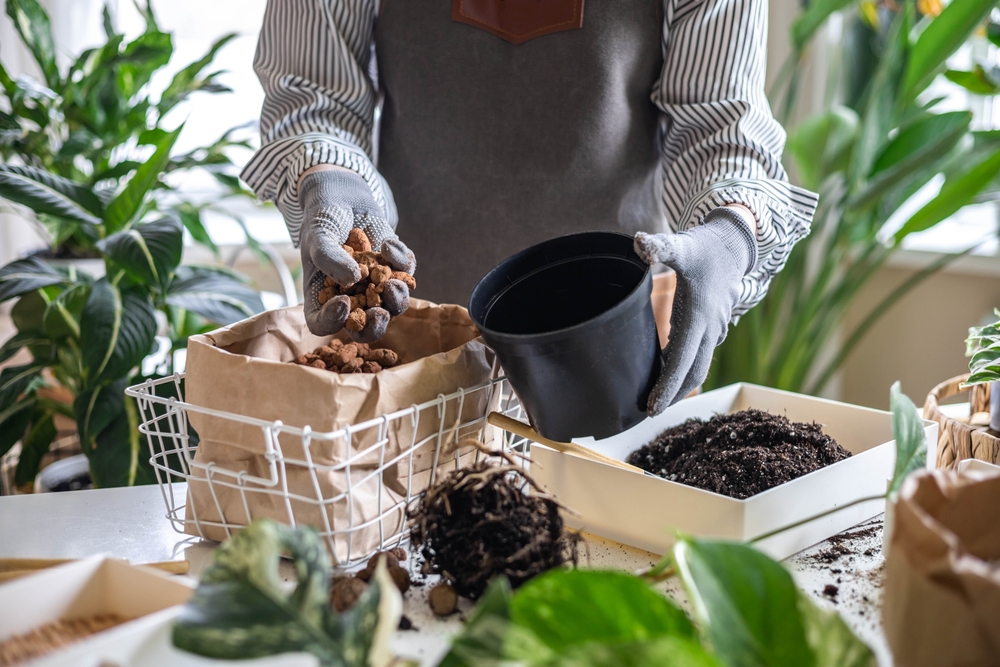
Rocky soil looks intimidating at first glance because stones seem to crowd out roots and reduce planting space. Yet gardeners in mountainous regions and older rural properties often harvest excellent crops from rocky ground with surprisingly little intervention. Rocks actually improve drainage, prevent severe soil compaction, and help moderate soil temperature during sudden weather swings. Herbs like rosemary, thyme, oregano, and lavender absolutely thrive in these conditions because they prefer leaner soil with excellent airflow around roots. Even peppers and squash can perform well when gardeners build planting pockets between larger stones.
The trick involves choosing crops that appreciate good drainage instead of demanding ultra-rich conditions. Mediterranean herbs, wildflowers, beans, and many native plants adapt beautifully to rocky environments because their roots navigate tight spaces naturally. Compost added directly into planting holes gives seedlings enough nutrition without requiring gardeners to overhaul the entire yard. Rocks also absorb daytime heat and slowly release warmth overnight, which benefits heat-loving plants during cool spring evenings. Rather than hauling away every stone, smart gardeners often incorporate them into pathways, borders, and natural raised beds that improve the garden’s overall structure.
4. Silty Soil Offers Easy Growing With a Few Important Adjustments
Silty soil feels smooth and soft between the fingers, almost like flour when dry. It holds nutrients better than sandy soil and drains more effectively than dense clay, which gives gardeners a strong middle ground for growing vegetables and flowers. Corn, lettuce, beans, and zucchini often flourish in silty soil because roots spread easily while still accessing steady moisture. Many river valley regions across America naturally contain silty soil that supports productive farms and backyard gardens alike. The texture also makes planting easier because digging rarely requires excessive force or specialized tools.
Heavy rain creates the biggest challenge because silty soil compacts easily and may form crusts that block young seedlings from emerging. Gardeners usually combat this issue with mulch layers, cover crops, and regular additions of organic matter that improve structure over time. Walking directly on wet silty beds also compresses the soil faster than many people realize, so pathways become especially important. Once gardeners protect the soil structure, silty ground can remain remarkably productive for years without requiring extreme maintenance. That balance between drainage and nutrient retention makes it one of the more forgiving low-nutrient options available.
5. Depleted Urban Soil Still Supports Productive Container Gardens
Urban soil often contains construction debris, compacted dirt, and nutrient deficiencies caused by decades of neglect or development. Many city gardeners assume productive growing remains impossible until they discover how well containers and raised beds bypass terrible native soil entirely. Buckets, grow bags, stock tanks, and wooden raised beds create fresh growing environments without requiring expensive landscaping projects. Tomatoes, peppers, cucumbers, lettuce, and herbs routinely thrive on patios, rooftops, balconies, and tiny backyard spaces using this method. Even renters gain flexibility because containers move easily when leases change.
Successful container gardening depends on consistent watering and smart soil blending rather than relying on native ground conditions. Potting mixes combined with compost provide better drainage and root health than many in-ground gardens achieve naturally. Slow-release organic fertilizers also keep nutrients available throughout the growing season without overwhelming plants. Containers heat up faster in spring, which gives warm-weather crops a valuable head start in cooler climates. Urban gardeners across America continue proving that poor native soil no longer limits fresh food production when creativity enters the equation.
6. Raised Beds Turn Weak Soil Into a Controlled Growing System
Raised beds solve countless soil problems because gardeners control nearly every growing condition from day one. Poor drainage, nutrient depletion, rocky terrain, and compacted clay all become manageable once fresh soil enters a contained space above ground level. Gardeners frequently report bigger harvests and fewer weeds after switching to raised bed systems because plants face less competition and stress. The elevated design also reduces back strain and improves accessibility for older gardeners or anyone with mobility concerns. Even small raised beds can produce remarkable yields when spacing and crop selection stay efficient.
The best raised beds rely on layered organic matter that continues improving over time instead of expensive specialty soil alone. Compost, shredded leaves, aged manure, straw, and topsoil work together to create rich growing conditions gradually. Many gardeners notice dramatic improvements after just two growing seasons because worms and microbes establish healthy ecosystems inside the beds. Raised gardens also warm faster in spring and drain better during heavy rainstorms, which extends the growing season in many regions. Instead of battling weak soil forever, raised beds allow gardeners to build fertility from scratch in a controlled and highly productive way.
Dirt Doesn’t Need To Be Perfect To Grow Something Great
Perfect soil makes beautiful magazine photos, but real gardens succeed under far messier conditions every single day. Sandy plots produce crisp carrots, clay beds grow monster tomatoes, and rocky patches overflow with fragrant herbs once gardeners match the right plants with the right techniques. Great gardening comes from observation, adaptation, and steady improvement rather than chasing flawless dirt that barely exists outside gardening catalogs.
What’s the toughest soil condition in the garden right now, and which plants continue producing anyway? Let’s hear your thoughts below in the comments.
You May Also Like…
6 Companion-Friendly Pairings That Improve Soil Health
8 Sandy Soil-Friendly Picks That Adapt Quickly
The Soil Compaction Problem That Limits Root Expansion
6 Selections That Perform Well in Clay Soil
5 Affordable Soil Improvements That Make a Big Difference

Brandon Marcus is a staff writer for FrugalGardening.com at District Media, Inc., where he delivers practical gardening advice with a relatable, no-nonsense style. An avid amateur gardener, he holds a BA degree and with over ten years of professional writing experience, he is also an award-winning published author whose first book, Questions For Deep Thinkers, was released by Adams Media. His work has appeared in major publications including Fandom.com, CHUD.com, TheColdWire.com, and Fansided.com.
Leave a Reply