Fresh vegetables can cost a small fortune these days, especially when grocery prices seem determined to climb higher every season. A single packet of seeds often costs less than one store-bought vegetable, yet that tiny packet can produce pounds of food over several months. For gardeners looking to stretch their food budget, choosing the right crops makes all the difference.
Not every vegetable delivers the same value. Some plants occupy a lot of space while producing only a handful of harvests, while others keep pumping out food week after week. The smartest gardeners focus on vegetables that provide abundant yields, require minimal investment, and reward even modest effort with baskets full of fresh produce.
1. Zucchini Is the Champion of Abundance
Zucchini has earned its reputation as the vegetable that never stops giving. A single healthy plant can produce six to ten pounds of squash during a growing season, and many gardeners end up sharing extras with neighbors just to keep up. Seed packets typically cost only a few dollars, making zucchini one of the most affordable crops to start. The plants grow quickly, often producing harvestable squash within two months of planting. Gardeners who pick fruits regularly encourage even more production.
The real value comes from zucchini’s nonstop harvest cycle. Unlike vegetables that produce one crop and quit, zucchini continues creating new fruits throughout the summer. Small gardens can benefit tremendously from just two or three plants. Fresh zucchini works in stir-fries, breads, casseroles, and grilled dishes, making it one of the most versatile vegetables in the kitchen. Few crops offer such a remarkable return on such a small investment.
2. Green Beans Keep Producing for Weeks
Green beans combine low costs with impressive productivity. Bush beans provide large harvests in a compact area, while pole beans maximize vertical space and continue producing over a longer period. A single row can generate pounds of beans that would cost significantly more at the grocery store. Many varieties germinate easily and require little special care.
Pole beans offer especially strong value because they keep flowering and setting new beans throughout the season. Regular harvesting encourages even more production. Gardeners often collect fresh beans every few days during peak season. Because beans freeze well, surplus harvests can continue saving money long after summer ends. Their productivity makes them a favorite among gardeners focused on food value.
3. Tomatoes Deliver Premium Grocery Store Savings
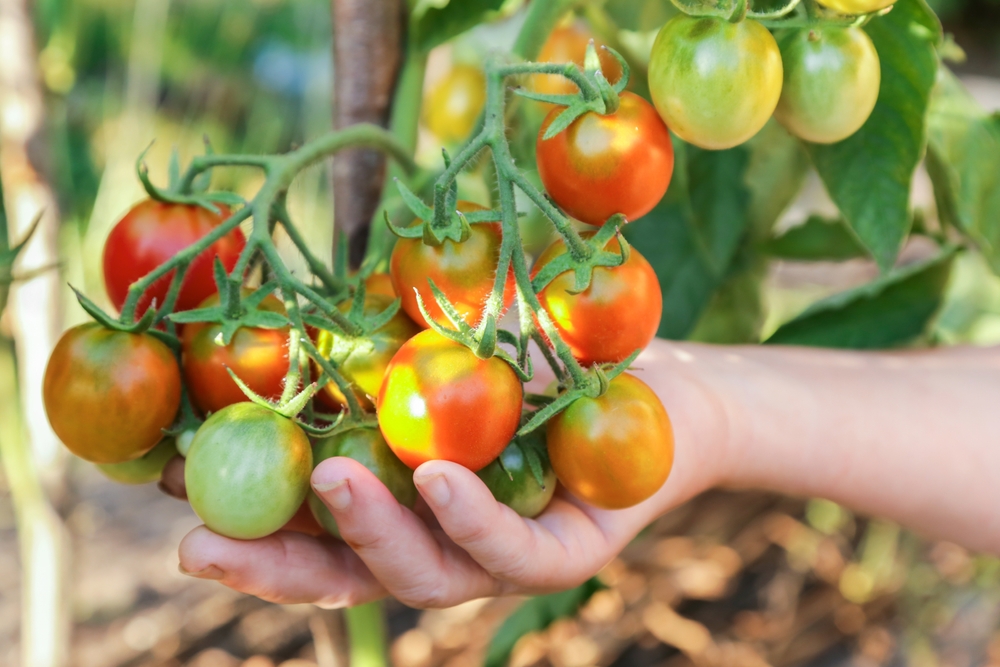
Tomatoes may not always produce the highest volume by weight, but they often provide some of the biggest financial savings. Premium heirloom tomatoes can cost several dollars per pound at grocery stores and farmers markets. A single healthy tomato plant can produce ten to twenty pounds of fruit, depending on the variety and growing conditions.
Indeterminate tomato varieties continue growing and producing until frost arrives. Gardeners can harvest tomatoes for months from a single plant. Fresh-picked tomatoes also offer flavor that grocery store versions rarely match. Whether sliced for sandwiches, turned into sauce, or tossed into salads, tomatoes consistently rank among the most rewarding vegetables for both taste and value. The savings become especially noticeable when growing expensive specialty varieties.
4. Cucumbers Turn Small Investments Into Big Harvests
Cucumber seeds cost very little, yet the plants frequently produce dozens of fruits throughout the season. Gardeners who grow cucumbers vertically on trellises save space while increasing airflow and reducing disease problems. A handful of plants can provide enough cucumbers for fresh eating and pickling.
Frequent harvesting keeps production moving at full speed. Many gardeners find themselves picking cucumbers every day during peak summer growth. Grocery store cucumbers may seem inexpensive individually, but costs add up quickly when families buy them regularly. Homegrown plants often provide months of steady harvests from a tiny initial investment. Their reliability makes them one of the strongest performers in budget-focused gardens.
5. Leaf Lettuce Offers Continuous Harvests
Head lettuce produces a single harvest, but leaf lettuce operates under a completely different set of rules. Gardeners can snip outer leaves while allowing the plant to continue growing. This “cut-and-come-again” approach creates multiple harvests from each plant over several weeks.
The savings can become substantial because bagged salad greens rank among the pricier produce items in many grocery stores. A few feet of garden space can provide fresh salads for months. Lettuce also grows quickly, allowing gardeners to plant successive crops throughout the season. With regular watering and harvesting, this simple vegetable delivers impressive value from very little effort. Few crops produce so much food in such a small area.
6. Kale Refuses to Quit
Kale has become famous for its nutritional benefits, but gardeners appreciate it for another reason: persistence. Many kale varieties continue producing leaves for months, and some even survive light frosts that stop other vegetables. One planting can provide repeated harvests over an extended period.
Because grocery store kale often carries a premium price, homegrown harvests can generate meaningful savings. Gardeners simply pick the lower leaves while allowing the center of the plant to continue growing. This steady cycle creates a dependable source of greens throughout much of the growing season. Kale also tolerates cooler temperatures better than many vegetables, extending the productive life of the garden.
7. Swiss Chard Delivers Long-Term Value
Swiss chard deserves far more attention than it receives. Like kale and leaf lettuce, it supports repeated harvesting throughout the season. Gardeners remove outer leaves while new growth emerges from the center. This simple habit allows one planting to remain productive for months.
Colorful stems add visual appeal to the garden while providing a steady supply of nutritious greens. Swiss chard handles summer heat better than many leafy vegetables, reducing the risk of premature bolting. Families who regularly purchase leafy greens often discover that chard quickly pays for itself many times over. Its combination of durability and productivity makes it one of the garden’s best bargains.
8. Peppers Produce More Than Expected
Pepper plants may appear modest at first, but healthy plants often deliver dozens of fruits over the growing season. Sweet bell peppers and many hot pepper varieties continue producing until cold weather arrives. Since grocery store peppers frequently carry surprisingly high prices, homegrown harvests create significant savings.
A few pepper plants can generate enough fruit for fresh meals, freezing, and preserving. Hot peppers provide even greater value because a single plant may produce far more than a household can use immediately. Gardeners appreciate peppers for their relatively low maintenance requirements and extended harvest window. Their long season of production helps maximize every gardening dollar.
9. Summer Squash Keeps the Harvest Basket Full
Summer squash shares many traits with zucchini, including remarkable productivity and rapid growth. Yellow squash varieties often begin producing early and continue generating harvests throughout the warm season. Gardeners who harvest frequently encourage the plants to produce even more fruits.
The sheer volume surprises many first-time growers. A couple of plants can provide enough squash for grilling, sautéing, baking, and sharing. Seeds remain inexpensive, and the plants grow vigorously in many climates. Summer squash consistently earns a place on lists of the most cost-effective vegetables because it transforms a tiny investment into a mountain of fresh produce.
The Smartest Way to Grow More for Less
Gardening for savings starts with choosing vegetables that deliver the highest return on every dollar spent. Crops like zucchini, beans, tomatoes, cucumbers, and leafy greens produce abundant harvests from inexpensive seeds and relatively small spaces. Many of these vegetables continue producing for weeks or even months, multiplying their value throughout the growing season.
What vegetables have given you the biggest harvests for the least amount of money? Share your experiences and favorite high-yield crops in the comments below!
You May Also Like…
9 Flowers That Secretly Help Your Vegetable Garden Grow Better
8 Vegetables That Grow Surprisingly Well in Containers
10 Vegetables That Actually Thrive During Brutal Heat Waves
7 Vegetables People Are Panic-Planting Again Because Grocery Prices Won’t Stop Rising
10 Vegetables That Produce the Most Food for the Least Money

Brandon Marcus is a staff writer for FrugalGardening.com at District Media, Inc., where he delivers practical gardening advice with a relatable, no-nonsense style. An avid amateur gardener, he holds a BA degree and with over ten years of professional writing experience, he is also an award-winning published author whose first book, Questions For Deep Thinkers, was released by Adams Media. His work has appeared in major publications including Fandom.com, CHUD.com, TheColdWire.com, and Fansided.com.
Leave a Reply