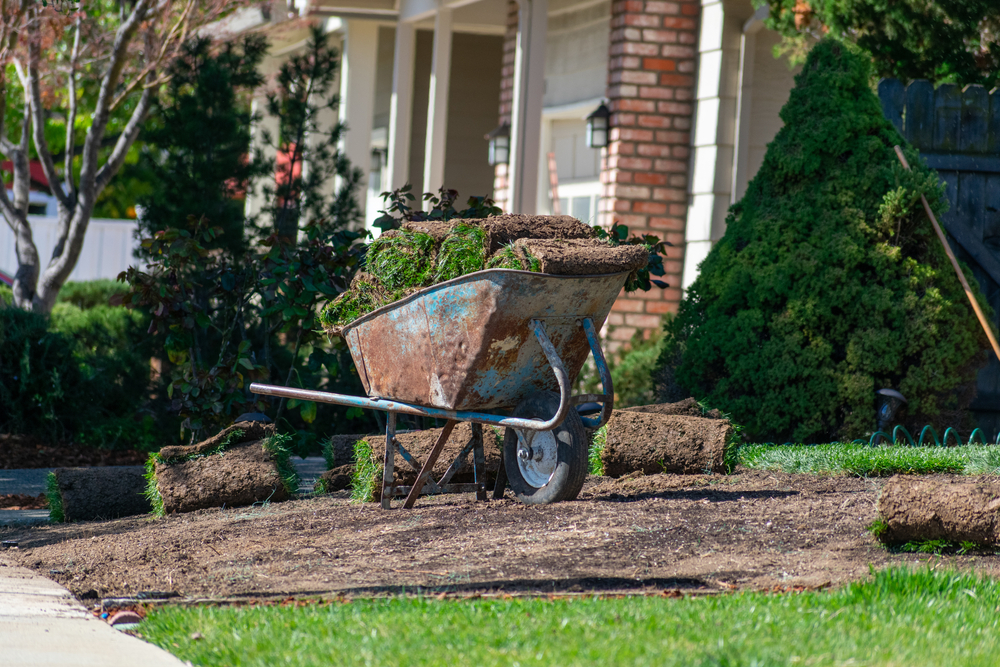
Across neighborhoods in 2026, something unusual is happening in plain sight. Perfect green lawns no longer dominate curb appeal contests the way they once did. Instead, homeowners are swapping grass-heavy yards for creative, practical, and environmentally smart landscapes. These changes reflect more than design trends because they also reveal shifting priorities around cost, time, and climate pressure. Gardeners now focus on building outdoor spaces that work harder and demand less maintenance.
Lawns once symbolized pride, but many now see them as high-effort and low-reward. Water bills keep rising, weekend mowing eats up free time, and chemical treatments raise environmental concerns. As a result, people look for alternatives that still feel beautiful without constant upkeep. The movement grows quickly because it solves real-life problems while opening the door to more diverse, vibrant outdoor spaces.
Why Traditional Lawns Are Losing Their Shine
Traditional lawns once promised simple beauty, yet they now come with a long list of demands that frustrate homeowners. Regular mowing, fertilizing, edging, and watering consume both time and money throughout the growing season. Many regions also face drought restrictions, which make lush grass difficult to maintain without guilt or penalties. Even when lawns look perfect, they often fail to support pollinators or local biodiversity. That imbalance pushes gardeners to question whether grass deserves so much yard space.
Climate stress adds another layer to the problem, especially in areas with unpredictable rainfall patterns. Grass struggles during heat waves and requires constant irrigation to stay green. Homeowners also notice how quickly weeds and pests take over when maintenance slips even slightly. These challenges create a cycle where effort never truly ends, only pauses briefly. More people now decide that their yards should work with nature instead of fighting against it.
The Rise of Eco-Friendly Yard Alternatives
Eco-friendly landscaping has moved from niche idea to mainstream solution across residential neighborhoods. Homeowners now replace turf with native plants, clover lawns, ground covers, and drought-tolerant gardens that need far less water. These alternatives create colorful, layered textures that shift with the seasons instead of staying static like grass. Pollinators such as bees and butterflies also benefit from the increased plant diversity. That added ecological value turns yards into small, living ecosystems rather than uniform green carpets.
Clover lawns have gained especially strong attention because they stay green with minimal watering and naturally enrich soil with nitrogen. Native plant gardens also stand out because they match local climates and resist pests more effectively than imported grass varieties. Many gardeners combine different approaches, blending pathways, wildflower patches, and gravel sections for visual interest. This flexibility allows each yard to reflect personal style while reducing maintenance demands. The result feels intentional, not chaotic, even when it looks more natural than traditional lawns.
Low-Maintenance Landscapes That Save Time and Money
Low-maintenance yard designs appeal strongly to homeowners balancing busy schedules and rising household expenses. Artificial turf offers one option, although many people now prefer living alternatives that cool the environment instead of trapping heat. Gravel gardens, mulch beds, and decorative stone layouts also reduce mowing and watering requirements dramatically. These designs cut down on weekly chores and free up entire weekends that lawns once consumed. Over time, reduced water and chemical use also lowers monthly utility costs in noticeable ways.
Gardeners also appreciate how these landscapes resist seasonal burnout. Grass often turns patchy or brown during stress periods, but mixed plantings and structural designs maintain visual appeal year-round. Smart irrigation systems further reduce effort by targeting only the plants that actually need moisture. Many homeowners report that yard upkeep shifts from constant labor to occasional enjoyment. That change transforms outdoor spaces into relaxing environments instead of ongoing obligations.
How to Start Replacing Your Lawn Without Stress
Successful lawn replacement starts with small, manageable steps instead of full-yard overhauls. Many homeowners begin by converting one section at a time, such as a front corner or backyard border. This gradual approach helps identify which plants and materials perform best in local conditions. Soil preparation plays a key role because healthy ground supports stronger root systems and reduces long-term maintenance issues. Careful planning prevents costly mistakes and builds confidence throughout the transition.
Gardeners often choose a mixed design strategy rather than committing to a single replacement method. For example, a yard might include clover patches, native flower beds, and stone walkways working together in a balanced layout. This combination reduces risk while creating visual variety that evolves through the seasons. Local climate, sunlight patterns, and drainage conditions guide every decision. With thoughtful planning, the shift away from grass feels less like a gamble and more like a steady upgrade.
A Smarter Future for Residential Yards
The shift away from traditional lawns signals a broader change in how people view outdoor living spaces. Yards now serve multiple roles, from relaxation zones to ecological contributors and even small food-growing areas. This transformation reflects a desire for practicality without sacrificing beauty or personal expression. Homeowners increasingly value landscapes that support local environments while reducing weekly labor. That mindset continues to reshape neighborhoods across many regions.
What changes would make your yard feel more enjoyable and less like a chore?
You May Also Like…
8 Plants That Can Help Keep Ticks Away From Your Yard
The Backyard Feature Buyers Are Quietly Looking For in 2026
March Lawn Care Mistakes That Cost Money
Why Mushrooms Suddenly Appear in Lawns
Why Your Lawn Thins After Winter (And Budget Ways to Fix It)

Brandon Marcus is a staff writer for FrugalGardening.com at District Media, Inc., where he delivers practical gardening advice with a relatable, no-nonsense style. An avid amateur gardener, he holds a BA degree and with over ten years of professional writing experience, he is also an award-winning published author whose first book, Questions For Deep Thinkers, was released by Adams Media. His work has appeared in major publications including Fandom.com, CHUD.com, TheColdWire.com, and Fansided.com.
Leave a Reply