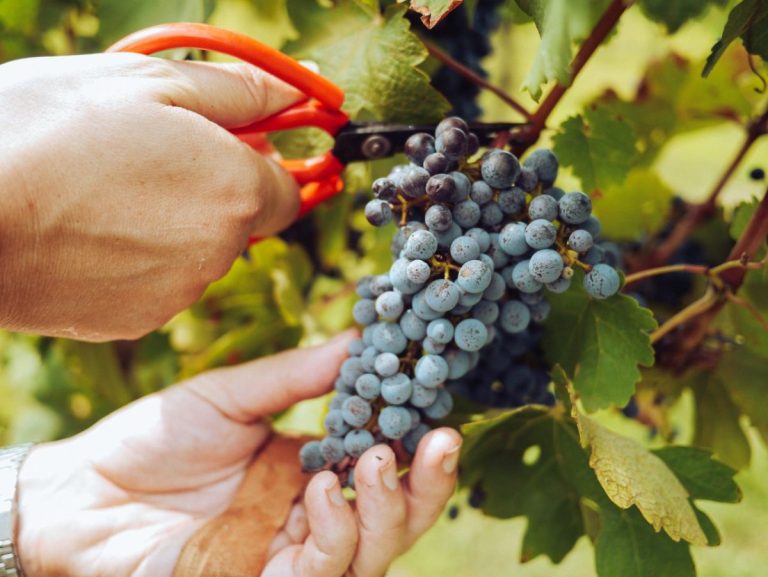
A grapevine can spend months producing a beautiful crop, only to turn into a tiny fruit-cracking factory right when those grapes start looking delicious. Grapes often split near ripening because the berries suddenly take on water faster than their skins can stretch, especially after a dry spell followed by heavy rain or deep watering. Splitting…
backyard gardening
What Should You Do When Peaches Ripen All at Once?
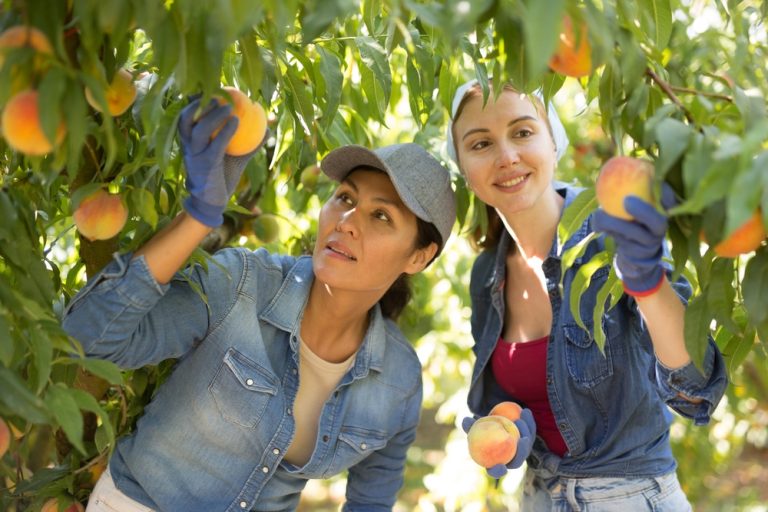
Peaches have a spectacular talent for creating a very specific kind of gardening panic: producing a mountain of gorgeous fruit at exactly the same time. One afternoon, the tree looks ordinary, and a few days later, the branches seem to have joined a conspiracy against the household refrigerator. The good news is that an overflowing…
6 Gutter-Free Ways to Catch Rainwater From a Garden Shed
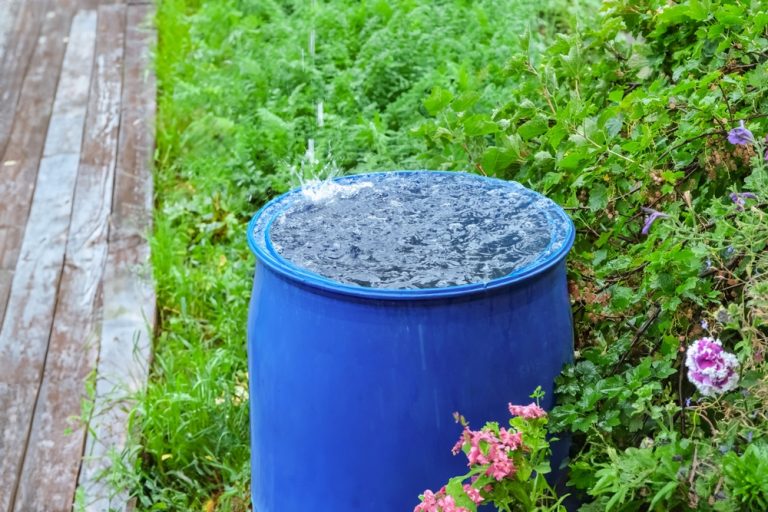
A garden shed roof can quietly collect a surprising amount of free water, but that does not mean the shed needs a full gutter system. With a few clever additions, gardeners can guide roof runoff into barrels, buckets, storage tanks, or even directly toward thirsty garden beds. The trick involves controlling where the water lands…
Why Are More Gardeners Treating Dandelions as Edible Crops?
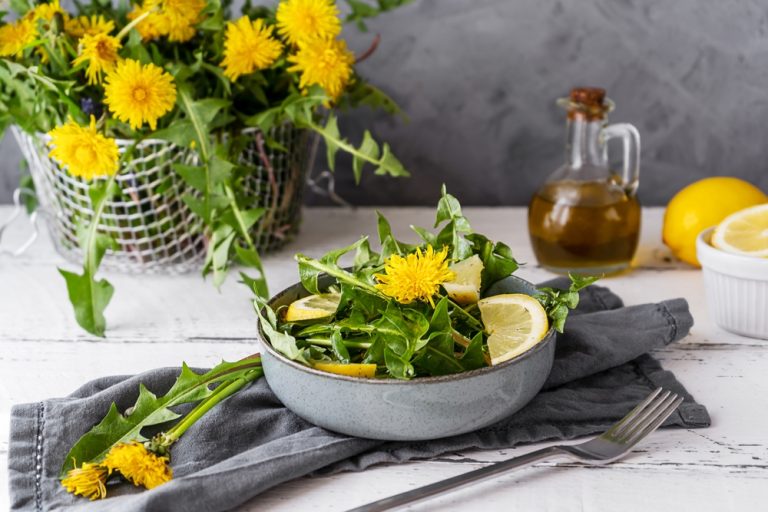
The humble dandelion has spent decades getting blamed for ruining perfectly manicured lawns, yet more gardeners now look at those bright yellow flowers and see lunch instead of lawn trouble. The change makes sense because dandelions offer something many garden crops cannot: food that appears without a seed packet, greenhouse, or carefully negotiated relationship with…
Why Are Your Figs Dropping Before They Ripen?
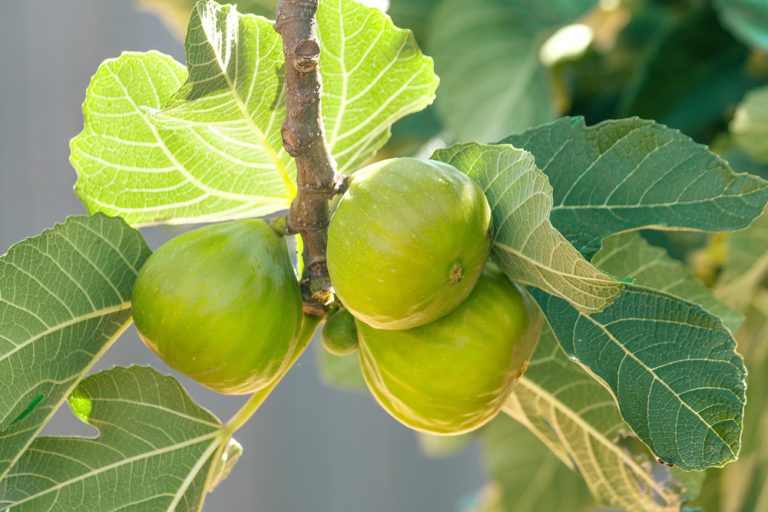
A fig tree loaded with tiny green treasures can create a gardener’s version of heartbreak when those fruits suddenly hit the ground before they become sweet, soft, and ready for picking. Fig trees often drop fruit early because they face stress from water problems, temperature swings, pollination issues, or even the wrong growing conditions. Early…
Are Keystone Plants More Valuable Than a Long Pollinator List?
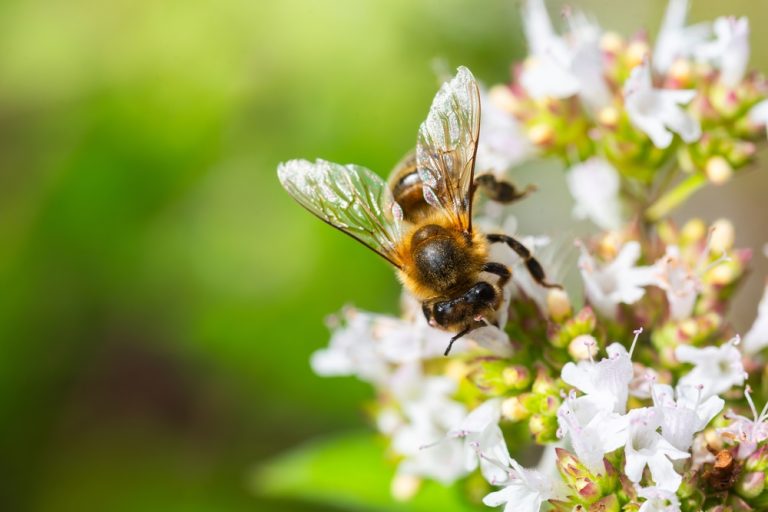
A garden packed with pollinator plants can look like a colorful buffet, but a shorter list featuring the right keystone plants may deliver a much bigger ecological impact. Choosing plants that support entire food webs helps gardeners create spaces where butterflies, bees, birds, and other wildlife find more than just a quick snack. Many gardening…
Why Are Your Winter Squash Vines Rooting Along the Ground?
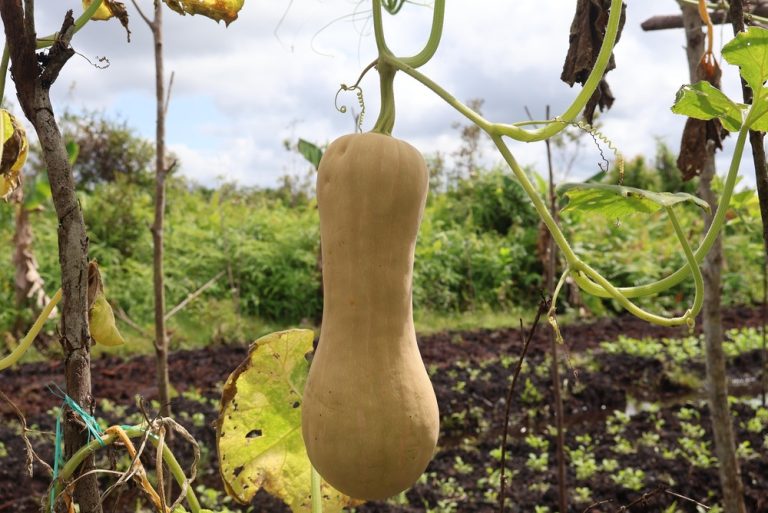
Winter squash vines sometimes surprise gardeners by sending tiny roots into the soil along their long, wandering stems. It can look like the plant has decided to grow a second underground support system, and in a way, that is exactly what it is doing. Those little roots reveal an amazing survival strategy hiding in plain…
5 Reasons a White Film Appears on Garden Soil
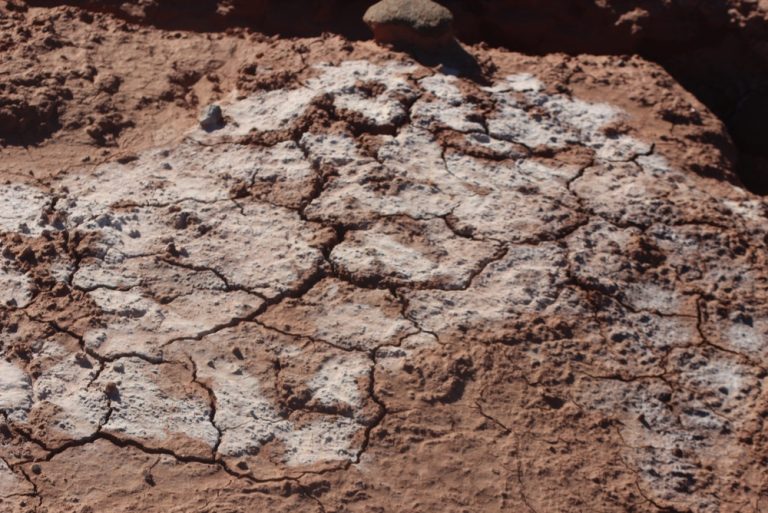
A white film across garden soil can make a healthy planting bed look like it belongs in a science experiment. That powdery layer often signals changes happening beneath the surface, and identifying the cause helps gardeners protect their plants and improve soil quality. Thankfully, a white coating does not automatically mean disaster has moved into…
7 Crops That Make Good Use of a Finished Corn Patch
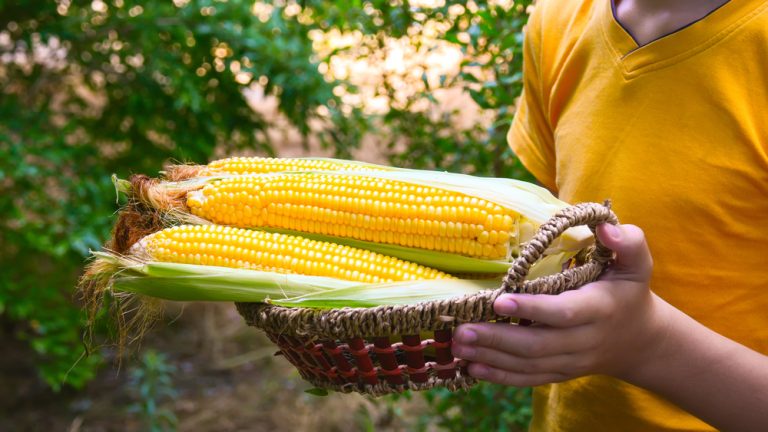
A finished corn patch does not have to become an empty square of dirt waiting for next spring. Once the last ears disappear and the stalks come down, that sunny space can host another round of useful crops that love the leftover garden conditions. Gardeners often focus so much on growing corn that they forget…
6 Garden Tasks That Are Safer to Skip During Peak Afternoon Heat

The afternoon sun can turn a peaceful garden session into a sweaty battle against heat, fatigue, and a wilting collection of unhappy plants. Some garden chores simply work better in the cooler morning or evening hours, especially when temperatures climb and the soil feels like a baked clay pot. Smart gardeners know that timing matters…