
A successful garden never happens by accident. Tomatoes do not suddenly swell into juicy beauties because the weather felt generous for a week, and flower beds do not explode with color simply because a seed packet made big promises. Consistent growth comes from small maintenance habits that gardeners repeat almost without thinking, like morning coffee routines or checking the mailbox after work. Those steady actions keep plants healthy, prevent problems before they spiral out of control, and save gardeners from the heartbreak of crispy leaves and disappointing harvest baskets.
Many American gardeners pour money into fancy fertilizers, expensive raised beds, and trendy gadgets while skipping the boring habits that actually matter most. The truth feels far less glamorous but much more effective. Strong gardens rely on reliable care, sharp observation, and simple maintenance routines that support healthy roots, balanced moisture, and vigorous growth week after week.
1. Water Deeply Instead of Constantly Sprinkling
Plants crave consistency, but shallow watering trains roots to stay weak and cling close to the soil surface where heat dries everything quickly. Deep watering encourages roots to stretch downward, which creates stronger plants that tolerate summer heat and sudden dry spells much better. Most vegetable gardens need about one to two inches of water each week, though weather and soil type can shift those numbers slightly during intense heat waves. Early morning watering gives plants time to absorb moisture before the afternoon sun turns garden beds into miniature saunas. Gardeners who soak the soil thoroughly two or three times a week usually see steadier growth than gardeners who lightly sprinkle plants every evening.
A predictable watering schedule also prevents one of the biggest gardening headaches in America: plant stress. Tomatoes split when watering swings wildly between drought and flooding, lettuce turns bitter during inconsistent moisture periods, and hydrangeas wilt dramatically after uneven watering patterns. Soaker hoses and drip irrigation systems help maintain stable moisture without soaking leaves and encouraging fungal diseases. Mulch also plays a huge role because it slows evaporation and keeps the soil cooler throughout hot afternoons. A simple moisture check with a finger pushed two inches into the soil often reveals far more than a fancy gardening gadget ever could.
2. Feed the Soil Instead of Chasing Miracle Fertilizers
Healthy soil acts like the engine behind every successful garden, yet many gardeners focus only on feeding the visible plant above ground. Rich soil supports beneficial microbes, improves drainage, holds moisture longer, and provides steady nutrients that plants absorb naturally over time. Compost ranks among the most valuable garden tools because it improves nearly every type of soil without creating the nutrient overloads that synthetic fertilizers sometimes cause. Gardeners who mix compost into beds each season often notice stronger stems, greener leaves, and more reliable harvests within a single growing cycle. That slow and steady improvement keeps growth consistent instead of creating dramatic bursts followed by sudden decline.
Overfeeding plants creates problems faster than many gardeners expect. Too much nitrogen pushes lush leafy growth that attracts pests and weakens fruit production, especially in tomatoes and peppers. Fertilizer-heavy lawns also encourage fast top growth while roots struggle to keep pace underneath the soil. Organic matter breaks down gradually, which gives plants a dependable nutrient supply without shocking their systems. Gardeners who regularly top-dress beds with compost, aged manure, or shredded leaves build healthier gardens year after year while spending far less money on emergency plant rescues.
3. Prune and Deadhead Before Plants Get Out of Control
A garden can transform from charming to chaotic in less than two weeks during peak growing season. Pruning keeps plants focused, improves airflow, and prevents diseases from spreading through crowded stems and damp foliage. Deadheading flowers encourages many annuals and perennials to keep blooming because the plant stops trying to produce seeds and redirects energy into fresh growth. Herbs such as basil become fuller and bushier after regular trimming, while cucumbers and tomatoes stay healthier when gardeners remove damaged or overcrowded leaves. Small weekly maintenance sessions prevent massive overgrown messes that feel exhausting to tackle later.
Gardeners often hesitate to prune because cutting healthy growth feels strangely cruel at first. However, strategic trimming strengthens plants instead of hurting them. Removing yellowing leaves reduces fungal problems, improves sunlight exposure, and helps plants direct nutrients toward productive growth. Fruit trees especially benefit from yearly pruning because crowded branches block airflow and increase disease risks. Sharp, clean pruning tools matter just as much as timing because ragged cuts invite pests and infections into vulnerable stems. A few thoughtful snips each week can completely change the health and productivity of an entire garden.
4. Mulch Like the Garden Depends on It
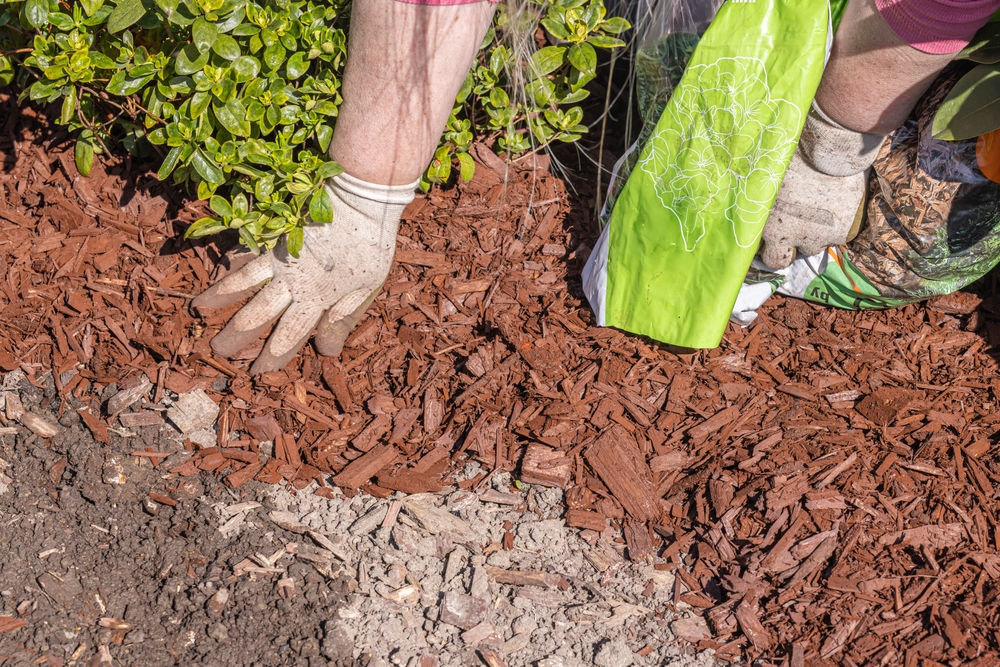
Mulch quietly solves several major gardening problems at the same time, which explains why experienced gardeners rarely skip it. A two-to-three-inch layer of mulch suppresses weeds, stabilizes soil temperatures, reduces evaporation, and protects roots during brutal summer heat. Organic mulches such as shredded bark, straw, pine needles, or chopped leaves slowly break down and improve soil quality over time. Garden beds without mulch often dry out faster, crack during heat waves, and require significantly more maintenance throughout the growing season. That extra protection creates a stable environment where plants grow steadily instead of struggling through constant stress.
Weeds also lose much of their advantage when mulch blocks sunlight from reaching the soil surface. Fewer weeds mean less competition for nutrients and moisture, which allows vegetables and flowers to grow more consistently. Mulch even prevents soil from splashing onto leaves during rainstorms, which reduces the spread of certain fungal diseases. Many gardeners make the mistake of piling mulch directly against stems and tree trunks, though, and that can trap moisture and encourage rot. A small gap around plant bases keeps airflow moving while still protecting the surrounding soil effectively.
5. Inspect Plants Regularly Before Problems Explode
Great gardeners notice tiny changes long before major disasters appear. A few yellow spots on cucumber leaves, chewed edges on bean plants, or sticky residue under rose bushes often signal the early stages of pest or disease problems. Weekly inspections allow gardeners to catch issues while solutions still remain simple and affordable. Aphids, hornworms, fungal infections, and powdery mildew spread quickly once they gain momentum, especially during warm and humid stretches of weather. A five-minute garden walk each morning can save entire harvests from collapse later in the season.
Observation also helps gardeners learn how plants behave throughout different stages of growth. Wilting during midday heat may look alarming, but some plants recover naturally by evening without needing extra water. Curling leaves, stunted growth, or unusual discoloration often point toward nutrient imbalances or drainage issues that gardeners can correct early. Consistent monitoring builds confidence because gardeners stop reacting emotionally to every tiny change and start recognizing genuine warning signs. Healthy gardens rarely stay perfect all season long, but attentive maintenance keeps small setbacks from turning into expensive disappointments.
The Secret Ingredient Behind Every Garden
Consistent garden growth comes from routines, not luck. Deep watering, healthy soil, regular pruning, protective mulch, and close observation create the kind of steady environment plants need to flourish through unpredictable weather and seasonal stress. None of these habits require a giant budget or professional landscaping crew, but they do require attention and consistency throughout the growing season. Gardens reward steady effort far more than dramatic weekend bursts of motivation.
Which gardening habit has made the biggest difference in keeping plants healthy and growing strong in your yard?
You May Also Like…
10 Low-Maintenance Picks That Perform Well in Late Spring
7 Low-Growing Plants That Beat Weeds Without Constant Maintenance
12 Low-Maintenance Gardening Tips for the Busy Millennial
5 Natural Growth Boosters That Strengthen Roots
Why Poor Drainage Leads to Root Rot and Stunted Growth

Brandon Marcus is a staff writer for FrugalGardening.com at District Media, Inc., where he delivers practical gardening advice with a relatable, no-nonsense style. An avid amateur gardener, he holds a BA degree and with over ten years of professional writing experience, he is also an award-winning published author whose first book, Questions For Deep Thinkers, was released by Adams Media. His work has appeared in major publications including Fandom.com, CHUD.com, TheColdWire.com, and Fansided.com.
Leave a Reply