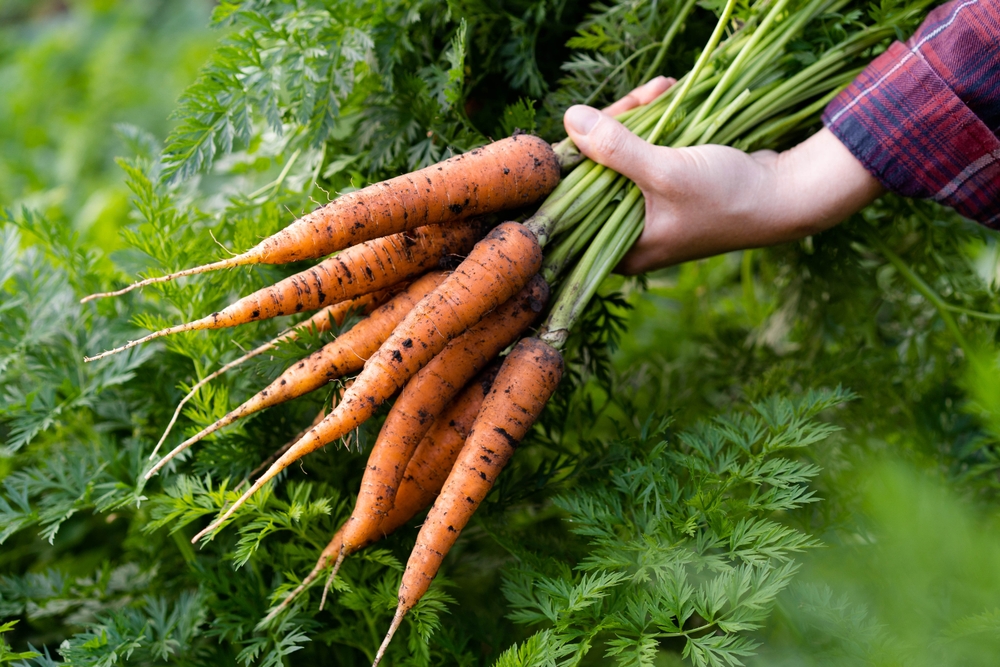
Summer gardens still hold plenty of magic for gardeners who plant with fall in mind. Warm soil gives seeds a strong head start, while shortening days signal many vegetables to focus on root and leaf growth. With the right picks, a mid- or late-summer planting can turn into a productive autumn harvest full of flavor and freshness.
Even better, many of these crops mature quickly and handle cooler nights with ease. A little planning now brings a kitchen full of homegrown food when most gardens start winding down.
1. Radishes That Race to the Finish Line
Radishes deliver one of the fastest turnarounds in the garden, often ready in under a month. Summer planting works well because warm soil speeds up germination and early root development. Gardeners should space seeds evenly to prevent overcrowding and misshapen roots. A steady water schedule keeps radishes crisp instead of pithy. Fall-harvested radishes often taste milder and sweeter than spring crops.
2. Spinach That Loves the Cooling Weather
Spinach prefers the cooler temperatures that arrive as summer fades. Late-summer planting helps seeds avoid the heat stress that causes early bolting. Gardeners should plant spinach in partial shade for best germination success. Consistent moisture encourages tender leaves with strong flavor. Fall spinach often produces larger, more abundant harvests than spring crops.
3. Carrots That Sweeten in Autumn Soil
Carrots planted in summer gain sweetness as temperatures drop in fall. Loose, well-drained soil helps roots grow straight and long without deformities. Gardeners should thin seedlings early to give each carrot room to expand. Deep watering encourages strong root development rather than shallow growth. Cooler weather enhances the natural sugars in mature carrots.
4. Beets That Deliver Two Harvests in One
Beets offer both edible roots and nutritious greens, making them a double-win crop. Summer planting gives beets enough time to mature before hard frosts arrive. Gardeners should loosen soil deeply to support smooth root formation. Regular watering prevents woody or cracked beets during growth. Fall harvests often produce richer color and deeper flavor.
5. Kale That Handles the Cold Like a Champion
Kale actually improves in flavor after exposure to light frost. Summer planting allows kale to establish strong roots before cooler weather sets in. Gardeners should space plants generously to encourage full leaf development. Removing older leaves keeps plants productive for months. Fall kale delivers tender, sweet leaves perfect for soups and salads.
6. Lettuce That Keeps the Salad Bowl Full
Lettuce grows best when temperatures start to drop in late summer. Heat-resistant varieties help bridge the gap between summer and fall. Gardeners should plant in partial shade to reduce heat stress during germination. Frequent harvesting of outer leaves encourages continuous growth. Fall lettuce often tastes sweeter and less bitter than summer-grown greens.
7. Turnips That Grow Fast and Fill Out Well
Turnips mature quickly, making them ideal for late-summer planting. Warm soil encourages rapid germination and early root formation. Gardeners should thin seedlings to prevent competition underground. Regular watering helps prevent tough or woody roots. Fall turnips develop a mild, slightly sweet flavor when harvested at peak size.
8. Bush Beans That Beat the Seasonal Clock
Bush beans grow quickly enough to fit neatly into late-summer planting windows. They produce best when soil stays warm but not overly dry. Gardeners should pick beans frequently to keep plants producing new pods. A steady harvest cycle encourages longer production into early fall. Cooler nights can extend bean productivity before frost arrives.
9. Swiss Chard That Keeps Producing Nonstop
Swiss chard handles both heat and cooler temperatures with impressive resilience. Summer planting helps it establish strong roots for long harvest periods. Gardeners should harvest outer leaves first to keep plants productive. Consistent watering supports tender stems and vibrant leaf color. Fall chard often produces larger leaves with richer flavor.
10. Peas That Love the Fall Chill
Peas perform best when temperatures drop, making late summer an ideal planting time. Gardeners should provide support structures like trellises early in growth. Cooler weather helps pea plants produce sweeter, more tender pods. Regular picking encourages continued flowering and pod production. Fall peas often deliver one of the most rewarding harvests of the season.
The Secret to a Productive Fall Garden Starts Now
A successful fall garden depends on timing, soil preparation, and choosing crops that welcome cooler weather. Summer planting gives these vegetables the head start they need before daylight shortens. Gardeners who stay consistent with watering and spacing often see stronger yields than expected. Each crop on this list brings its own rhythm, but all reward patience with flavor-packed harvests. A little effort now transforms a fading summer garden into a vibrant fall food source.
What vegetables are going into the garden this summer for a fall harvest?
You May Also Like…
Plant These Cheap Summer Bulbs Today for a Garden Full of Fall Blooms
Never Buy Seeds Again: How to Save Seeds From Your Spring Crops
6 Late Spring Selections That Still Flourish
9 Gardening Mistakes That Attract Mosquitoes to Your Yard
The No-Mow Gardening Trend Saving Homeowners Time and Money

Brandon Marcus is a staff writer for FrugalGardening.com at District Media, Inc., where he delivers practical gardening advice with a relatable, no-nonsense style. An avid amateur gardener, he holds a BA degree and with over ten years of professional writing experience, he is also an award-winning published author whose first book, Questions For Deep Thinkers, was released by Adams Media. His work has appeared in major publications including Fandom.com, CHUD.com, TheColdWire.com, and Fansided.com.
Leave a Reply