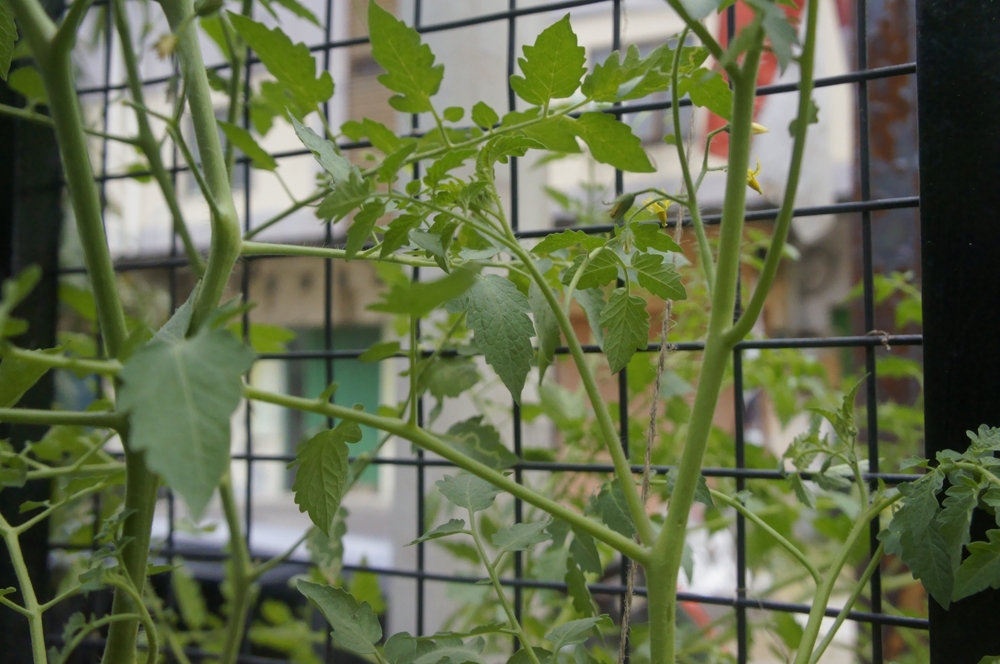
A climbing plant with nowhere to climb turns into a tangled, sprawling mess fast. Cucumbers smother nearby herbs, pole beans snake across walkways, and sweet peas flop face-first into muddy soil after the first hard rain. Garden centers sell fancy trellises for shocking prices, but many gardeners already own everything needed to build sturdy supports at home. A few inexpensive materials and a little creativity can transform a chaotic garden into a productive vertical paradise. Better yet, homemade trellises often work better than store-bought versions because gardeners can customize every inch to fit their space and plants.
Vertical gardening also delivers serious benefits beyond neat rows and pretty vines. Plants that grow upward receive better airflow, which reduces mildew problems and keeps leaves drier after watering. Harvesting becomes easier because vegetables hang in plain sight instead of hiding beneath tangled stems. Many climbing crops even produce more when gardeners train them upward because sunlight reaches more leaves and flowers.
1. Turn Old Wooden Pallets Into Rustic Garden Towers
Wooden pallets rank among the most versatile free gardening materials around, and gardeners constantly spot them behind hardware stores, garden centers, and local businesses. A sturdy pallet leaned against a fence or secured with a few stakes instantly creates a rugged climbing surface for peas, beans, cucumbers, or miniature melons. The wide slats give vines plenty of gripping points while still allowing airflow between leaves and stems. Many gardeners paint pallets in cheerful colors or stain them for a more polished look, but untreated wood creates a charming rustic appearance all on its own. Before using any pallet in the garden, gardeners should check for the HT stamp, which indicates heat-treated wood instead of chemically treated lumber.
Pallet trellises work especially well in small raised beds because they maximize vertical space without swallowing the entire garden. Gardeners can even place two pallets together like a tent shape to create a tunnel effect for climbing crops. Children often love walking beneath arches loaded with dangling bean pods or hanging cucumbers during peak summer harvest season. Heavy crops such as pumpkins or winter squash may require slings made from old T-shirts or mesh produce bags for extra support. Even with that added step, pallet trellises cost far less than heavy-duty metal garden arches sold at retail stores.
2. Create a String Trellis With Stakes and Twine
Some of the best garden solutions look almost ridiculously simple, and string trellises fit perfectly into that category. A pair of wooden stakes, a spool of garden twine, and a few knots can support entire rows of tomatoes, peas, pole beans, and cucumbers for just a few dollars. Gardeners simply drive sturdy stakes into the soil and run twine horizontally or vertically between them to create a climbing framework. Plants naturally grab onto the strings as they grow, and gardeners can gently guide wandering stems into place every few days. The setup process usually takes less than an hour, which makes string trellises perfect for busy gardeners who want quick results.
String trellises also allow gardeners to customize spacing based on each crop’s development habits. Peas prefer thinner grids with close support lines, while cucumbers appreciate wider openings that allow fruit to hang freely. Gardeners often replace worn twine every season, but the wooden stakes can last for years if stored in a dry location during winter. Jute twine remains a favorite choice because it biodegrades naturally and blends nicely into garden beds without creating visual clutter. Some experienced vegetable growers even weave extra layers of string midway through the season to support heavy vines loaded with produce.
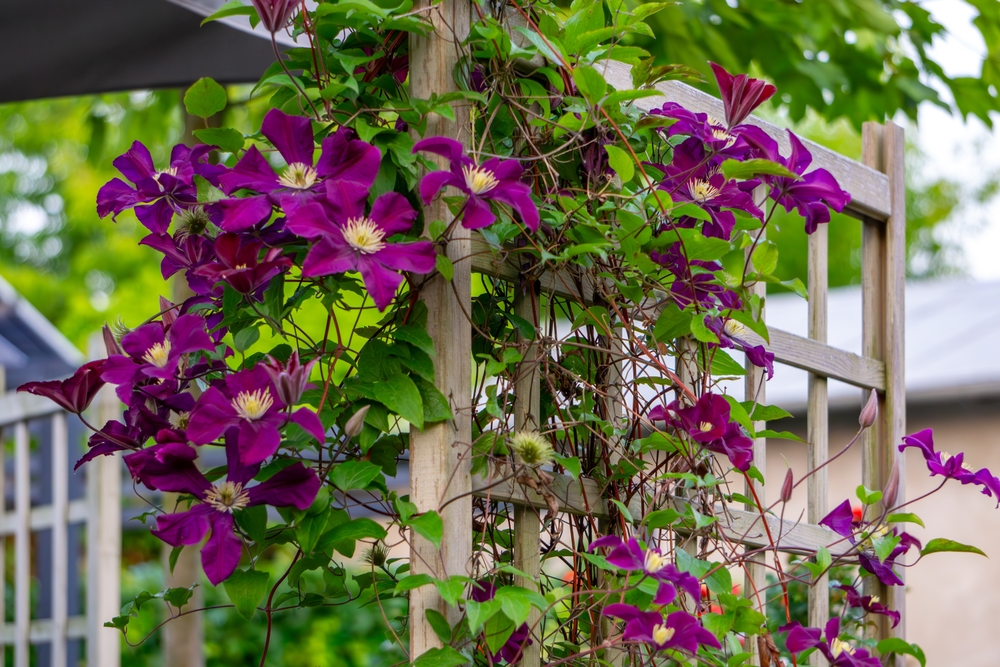
3. Repurpose Old Metal Fencing for Heavy-Duty Support
Old fencing panels, livestock wire, and leftover chain-link sections make outstanding trellises for larger or heavier climbing plants. These materials handle serious weight without bending, which makes them ideal for indeterminate tomatoes, gourds, large cucumber varieties, and vigorous flowering vines. Gardeners often secure fencing panels between wooden posts or attach them directly to existing fences around the yard. The open metal grid gives vines endless places to attach tendrils while also making harvesting much easier. Unlike flimsy plastic supports that sag after one season, metal fencing can survive years of heavy garden use with very little maintenance.
Many gardeners discover that repurposed fencing actually improves garden organization dramatically. Instead of sprawling vines swallowing nearby crops, vertical growth creates cleaner pathways and easier watering access. Metal supports also warm slightly in the sun, which can help moisture evaporate from leaves faster after rainstorms or morning dew. Rust sometimes concerns beginner gardeners, but light surface rust rarely harms ornamental or edible climbing plants. A quick rinse and occasional wire brushing usually keep old fencing functional season after season without much effort.
Smart Trellis Tricks That Save Plants From Disaster
Even the strongest DIY trellis can fail if gardeners ignore plant weight and seasonal weather changes. Fast-growing vines become surprisingly heavy after summer rains, especially once fruit production ramps up. Gardeners should anchor supports deeply into the ground and inspect them regularly during windy stretches or stormy weeks. Zip ties, garden clips, and soft fabric strips help secure plants gently without damaging delicate stems. Those small maintenance checks often prevent heartbreaking midseason collapses that snap vines and ruin harvests overnight.
Plant placement also matters more than many gardeners realize. Tall trellises can block sunlight from nearby vegetables if positioned carelessly, so gardeners should place them on the north side of garden beds whenever possible. Proper spacing around climbing plants improves airflow and reduces fungal problems that commonly appear in crowded gardens. Regular pruning keeps vines manageable and encourages better fruit production throughout the growing season. A cheap homemade trellis paired with smart plant care can outperform expensive garden setups surprisingly often.
Your Garden Walls Are About to Get a Lot Greener
A productive climbing garden does not require expensive cages, elaborate metal arches, or designer landscaping budgets. Pallets, string, and recycled fencing can support healthy vines just as effectively while keeping gardening costs refreshingly low. These homemade trellis ideas also add personality and creativity to outdoor spaces because every structure reflects the gardener’s style and available materials. Climbing plants naturally draw attention upward, turning ordinary backyards into lush green spaces packed with flowers, vegetables, and texture. Best of all, gardeners gain the satisfaction of building something practical with their own hands while watching plants climb higher every week.
Which DIY trellis idea sounds most useful for this year’s garden setup? Share your favorite gardening tricks and budget-friendly support ideas in the comments below.
You May Also Like…
6 DIY Trellis Designs That Support Plants Without Breaking Your Budget
5 Budget Vegetable Patch Designs for Small Yards
This DIY Cold Frame Design Is Collapsing Under Snow — And Causing Injuries
8 Tips For Designing Your Garden For Efficiency
A Decorative Garden Fence Could Violate Local Wildlife Protection Laws

Brandon Marcus is a staff writer for FrugalGardening.com at District Media, Inc., where he delivers practical gardening advice with a relatable, no-nonsense style. An avid amateur gardener, he holds a BA degree and with over ten years of professional writing experience, he is also an award-winning published author whose first book, Questions For Deep Thinkers, was released by Adams Media. His work has appeared in major publications including Fandom.com, CHUD.com, TheColdWire.com, and Fansided.com.
Leave a Reply