Summer heat waves can turn a beautiful vegetable garden into a frustrating patch of wilted leaves and stalled growth. While many favorite crops struggle when temperatures climb into the 90s and beyond, some vegetables seem to treat extreme heat like a personal invitation to grow faster and produce more. Knowing which crops welcome the heat can save gardeners time, money, and disappointment during the hottest months of the year.
Smart gardeners often adjust their planting strategy based on seasonal conditions rather than fighting against nature. Choosing vegetables that enjoy hot weather can lead to bigger harvests, fewer plant losses, and less stress during stretches of intense summer temperatures. These ten vegetables stand out for their ability to keep producing when many other garden favorites start waving the white flag.
1. Okra Laughs at Triple-Digit Temperatures
Okra may be one of the toughest vegetables in the summer garden, and it often becomes more productive as temperatures climb. Native to warm climates, this vegetable grows vigorously when many other plants slow down or stop producing altogether. Gardeners across the southern United States often rely on okra as a dependable summer crop because it handles heat with remarkable ease. The plant develops deep roots that help it access moisture even when surface soil dries quickly. Its tall, sturdy stems also tolerate blazing sun without showing much stress.
Many gardeners notice that okra seems almost sluggish during mild weather before exploding with growth once true summer heat arrives. Regular harvesting encourages continuous pod production throughout the season. Leaving pods on the plant too long can make them tough and fibrous, so frequent picking pays off. A healthy okra plant can provide a steady supply of fresh pods for soups, stews, and frying well into late summer.
2. Sweet Potatoes Love Long, Hot Summers
Sweet potatoes rank among the most heat-tolerant food crops available to home gardeners. These vigorous vines spread rapidly across garden beds and handle intense sunshine with ease. Warm soil temperatures encourage strong root development, helping the plants build the large underground tubers gardeners want to harvest. Unlike many vegetables that wilt under prolonged heat, sweet potatoes often continue growing steadily throughout the hottest weeks of the year.
Their sprawling vines also provide a useful bonus by shading the soil beneath them. This natural ground cover helps conserve moisture and suppress weeds during dry periods. Gardeners in regions with hot summers frequently achieve excellent yields without excessive maintenance. Once established, sweet potatoes demonstrate impressive resilience and reward patience with abundant harvests in the fall.
3. Southern Peas Keep Producing Through Heat Waves
Southern peas, often called cowpeas or black-eyed peas, have earned a reputation for performing well in difficult growing conditions. These legumes developed a strong tolerance for heat and drought, making them valuable additions to summer gardens. While green beans may struggle during prolonged hot spells, southern peas often continue flowering and setting pods. Their ability to fix nitrogen also improves soil quality for future crops.
Gardeners appreciate their versatility and relatively low maintenance requirements. The plants produce edible pods, fresh peas, and dry beans depending on harvest timing. Heat that might damage more delicate vegetables rarely slows them down significantly. For gardeners facing increasingly hot summers, southern peas provide a reliable source of food and garden productivity.
4. Eggplant Enjoys the Heat
Eggplant often reaches peak performance during hot weather. As a member of the nightshade family, it shares some characteristics with tomatoes and peppers but frequently tolerates high temperatures better than either crop. Warm days and warm nights encourage steady growth and fruit development. Large, glossy fruits continue forming even when temperatures remain elevated for extended periods.
Many gardeners become frustrated when tomatoes stop setting fruit during extreme heat, but eggplants often keep going. Consistent watering helps maximize production, although established plants can handle short dry spells. The attractive purple, white, or striped fruits add visual interest to the garden while providing excellent culinary options. Grilled, roasted, or sautéed, eggplant remains a summer favorite that rarely complains about hot weather.
5. Hot Peppers Turn Up the Production
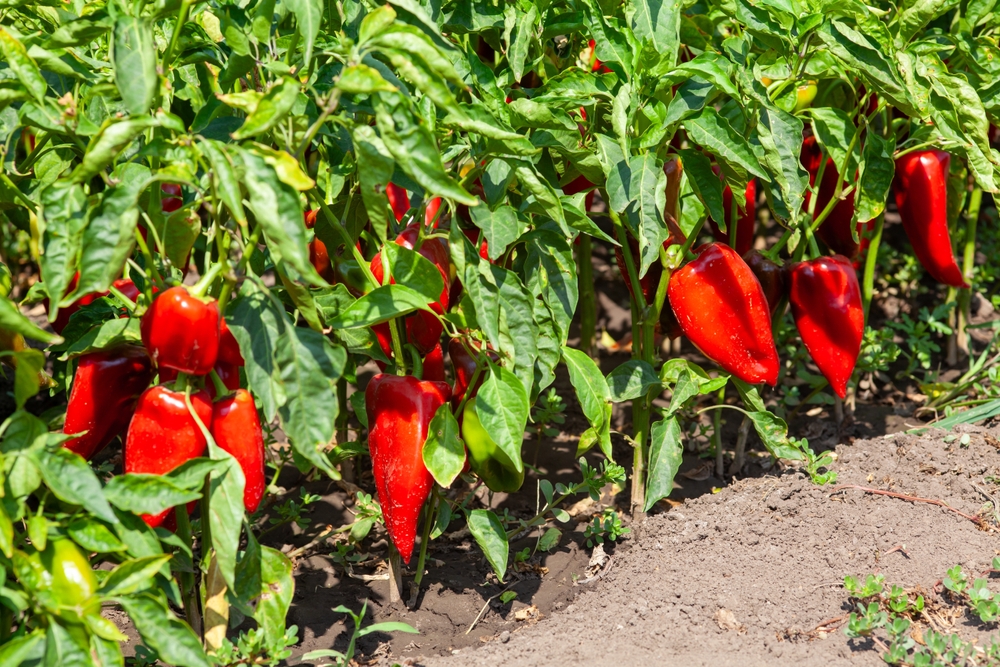
Hot peppers seem perfectly suited for scorching summer conditions. Jalapeños, cayenne peppers, serranos, and habaneros often flourish when daytime temperatures soar. Their sturdy plants tolerate heat remarkably well and continue producing colorful fruits throughout the growing season. Warm conditions can even contribute to stronger flavor and increased heat levels in certain pepper varieties.
Unlike some vegetables that experience blossom drop during heat waves, many hot pepper plants maintain good productivity. Adequate moisture remains important, but these plants generally adapt well to challenging summer conditions. Gardeners frequently find themselves harvesting baskets of peppers while neighboring crops struggle. For anyone seeking dependable summer harvests, hot peppers deserve serious consideration.
6. Malabar Spinach Replaces Traditional Spinach
Traditional spinach often bolts quickly when temperatures rise, but Malabar spinach offers a completely different experience. This leafy vine actually prefers hot weather and grows aggressively throughout summer. Its thick, succulent leaves provide a spinach-like substitute for salads, stir-fries, and cooked dishes. The plant climbs trellises rapidly, creating attractive vertical greenery in the garden.
Many gardeners discover Malabar spinach after repeated disappointment with conventional spinach during warm months. Once summer heat settles in, this tropical plant often grows faster than expected. Regular harvesting encourages new growth and keeps the vines productive. It supplies fresh greens precisely when many other leafy vegetables disappear from the garden.
7. Armenian Cucumbers Handle Heat Better
Although commonly called cucumbers, Armenian cucumbers belong to a different botanical group and tolerate heat exceptionally well. These long, slender fruits remain crisp and mild even during hot weather. Traditional cucumber varieties sometimes become bitter or less productive during extreme temperatures, but Armenian cucumbers often continue producing steadily. Their vigorous vines benefit from trellising, which improves airflow and makes harvesting easier.
Gardeners appreciate their unique appearance and dependable performance. The fruits can grow surprisingly long without becoming tough or seedy. Regular harvesting keeps production high throughout the season. In areas where summer temperatures regularly climb above 90 degrees, Armenian cucumbers frequently outperform standard cucumber varieties.
8. Yardlong Beans Keep Growing
Yardlong beans earned their name honestly, with pods that can approach impressive lengths under ideal conditions. These climbing beans originated in warm regions and demonstrate excellent heat tolerance. While common green beans may stop producing during intense heat, yardlong beans often continue flowering and setting pods. Their vigorous vines quickly cover trellises and vertical supports.
The beans remain tender when harvested young and work well in stir-fries and other cooked dishes. Gardeners often enjoy watching the unusually long pods develop throughout the season. Hot weather that frustrates other bean growers rarely affects yardlong beans significantly. Their productivity and unique appearance make them standout additions to summer gardens.
9. New Zealand Spinach Welcomes Summer
New Zealand spinach provides another excellent alternative to traditional spinach during hot weather. This sprawling plant grows steadily throughout summer and produces nutritious leaves for months. The leaves possess a slightly different texture than common spinach, but they perform similarly in many recipes. Gardeners value its ability to deliver fresh greens when temperatures become too high for cool-season crops.
Once established, New Zealand spinach requires relatively little attention. The plant spreads outward and fills empty garden spaces efficiently. Regular harvesting encourages continuous leaf production throughout the growing season. For gardeners determined to grow leafy greens during summer heat, this vegetable offers an effective solution.
10. Peppers of All Types Appreciate Warm Conditions
Sweet bell peppers and many specialty pepper varieties perform surprisingly well during hot summers. Although extremely high temperatures can temporarily slow fruit set, established pepper plants generally tolerate heat better than many garden vegetables. Strong root systems help them withstand dry periods, while warm soil encourages healthy growth. Gardeners often enjoy harvests that continue well into late summer and early fall.
Different pepper varieties provide a wide range of colors, flavors, and culinary uses. Red, yellow, orange, and purple fruits add beauty to the garden while supplying nutritious harvests. Consistent watering and occasional feeding help maximize yields during hot weather. When other crops struggle through heat waves, peppers frequently remain productive and dependable.
Build a Garden That Beats the Heat
Extreme summer temperatures do not have to mean the end of productive gardening. By choosing vegetables naturally adapted to hot conditions, gardeners can continue harvesting fresh food even during the most intense heat waves. Crops like okra, sweet potatoes, southern peas, and heat-loving greens often perform better as temperatures rise, creating opportunities for successful gardening when many traditional vegetables falter.
Which heat-loving vegetable has delivered the best results in your garden during a scorching summer?
You May Also Like…
The Backyard Gardening Trend That’s Exploding Across America This Summer
The Summer Gardening Mistake That Kills More Plants Than Heat
9 Gardening Mistakes That Attract Mosquitoes to Your Yard
The No-Mow Gardening Trend Saving Homeowners Time and Money
What Experienced Gardeners Wish They Knew Their First Year

Brandon Marcus is a staff writer for FrugalGardening.com at District Media, Inc., where he delivers practical gardening advice with a relatable, no-nonsense style. An avid amateur gardener, he holds a BA degree and with over ten years of professional writing experience, he is also an award-winning published author whose first book, Questions For Deep Thinkers, was released by Adams Media. His work has appeared in major publications including Fandom.com, CHUD.com, TheColdWire.com, and Fansided.com.
Leave a Reply