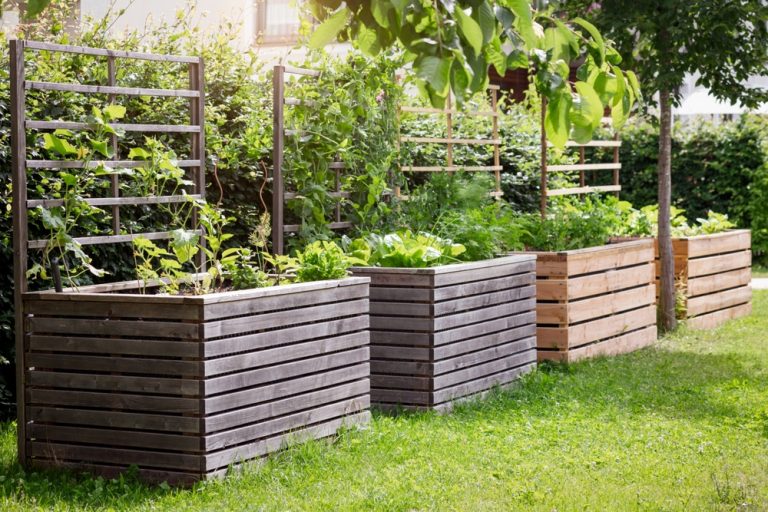
A front yard usually comes with an unspoken suburban assignment: grass, a few shrubs, maybe a tree that behaves itself. Michael Sherman of Chino, California, had a different idea, turning his lawn into a productive food forest filled with passionfruit, radishes, calendulas, sunflowers, aloe vera, Swiss chard and banana trees. His HOA initially approved the…
sustainable gardening
6 Ways to Use August Garden Clippings Without Sending Them to the Curb
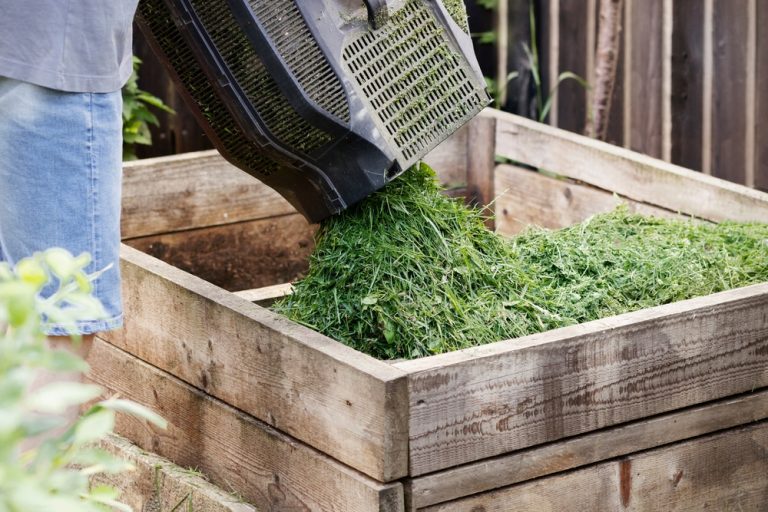
August can turn a garden into a leafy crime scene. Tomatoes have sprawled across paths, zucchini leaves have swallowed nearby plants, spent flowers have piled up, and the hedge suddenly looks like it needs its own postal code. Before stuffing all those clippings into bags for the curb, take a closer look because much of…
Can Crushed Oyster Shells Help Garden Soil?

Crushed oyster shells can help garden soil, but they work more like a slow-moving soil amendment than a magical garden cure-all. Because oyster shells contain calcium carbonate, they can add calcium while gradually raising the pH of acidic soil, much like agricultural limestone. That makes those leftover shells more interesting than they look after dinner….
6 Ways to Reuse Bamboo Stakes Before Putting Them Away
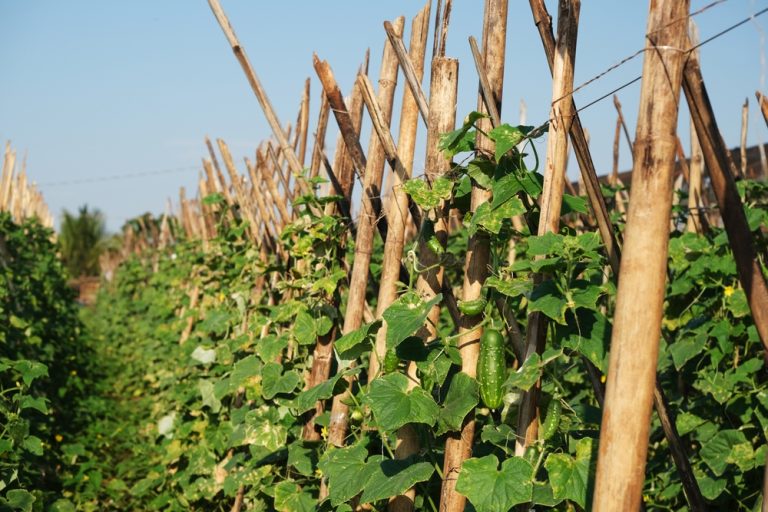
Bamboo stakes rarely deserve a one-season retirement. Before tossing a bundle into the shed until next spring, gardeners can put those slender poles to work supporting plants, protecting seedlings, organizing garden spaces, and even helping with small outdoor projects. That matters because a bamboo stake can do far more than prop up a tomato. Its…
Are Ornamental Grasses Becoming the Backbone of Climate-Ready Gardens?
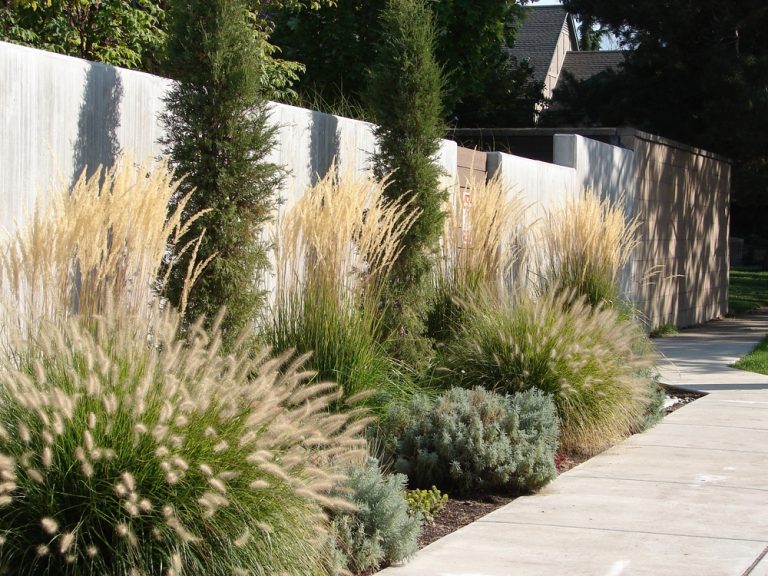
Are ornamental grasses becoming the backbone of climate-ready gardens? In many landscapes, the answer looks increasingly like a graceful clump of grass waving in the breeze while everything around it complains about heat, dry soil, or a sudden deluge. Tough ornamental grasses can handle a remarkable range of conditions, offer structure long after summer flowers…
6 Gutter-Free Ways to Catch Rainwater From a Garden Shed
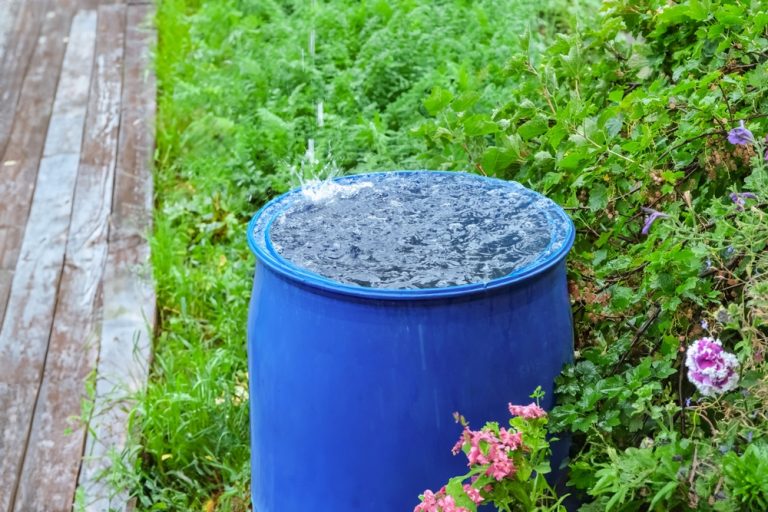
A garden shed roof can quietly collect a surprising amount of free water, but that does not mean the shed needs a full gutter system. With a few clever additions, gardeners can guide roof runoff into barrels, buckets, storage tanks, or even directly toward thirsty garden beds. The trick involves controlling where the water lands…
What Can You Do With Empty Grow Bags After Summer Crops Finish?
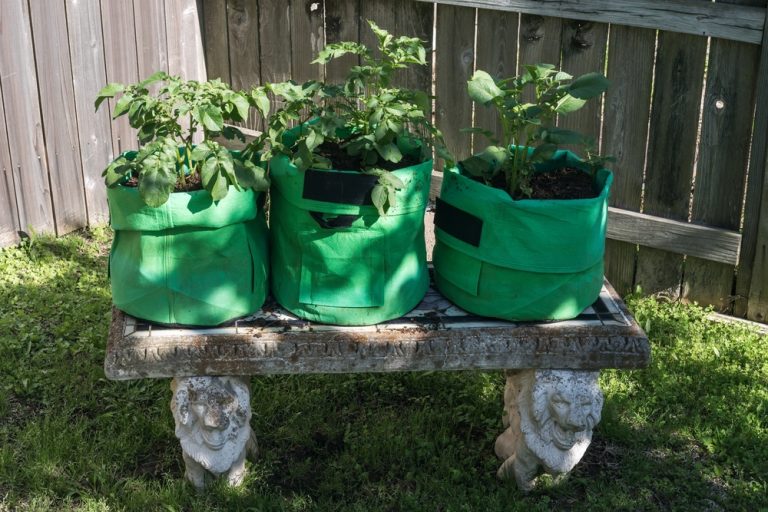
When summer tomatoes, peppers, cucumbers, and potatoes finish their garden careers, those floppy grow bags often end up looking like sad little gardening pancakes. Before tossing them into the trash, take a closer look because a quality grow bag can serve the garden for several more seasons, provided you clean it, inspect it, and store…
Why Are More Gardeners Treating Dandelions as Edible Crops?

The humble dandelion has spent decades getting blamed for ruining perfectly manicured lawns, yet more gardeners now look at those bright yellow flowers and see lunch instead of lawn trouble. The change makes sense because dandelions offer something many garden crops cannot: food that appears without a seed packet, greenhouse, or carefully negotiated relationship with…
Why Are Gardeners Adding Keystone Plants to Ordinary Backyards?
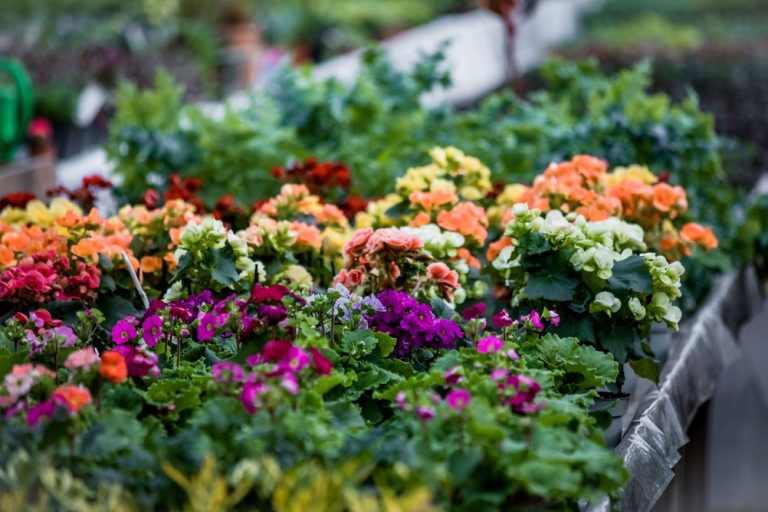
A quiet gardening revolution has taken root in ordinary backyards, and keystone plants sit at the center of it. These special native plants can turn a simple patch of grass, a flower bed, or a few containers into a welcoming stop for butterflies, birds, and beneficial insects. Gardeners add keystone plants because they offer more…
5 Ways to Turn Storm Debris Into Useful Garden Material
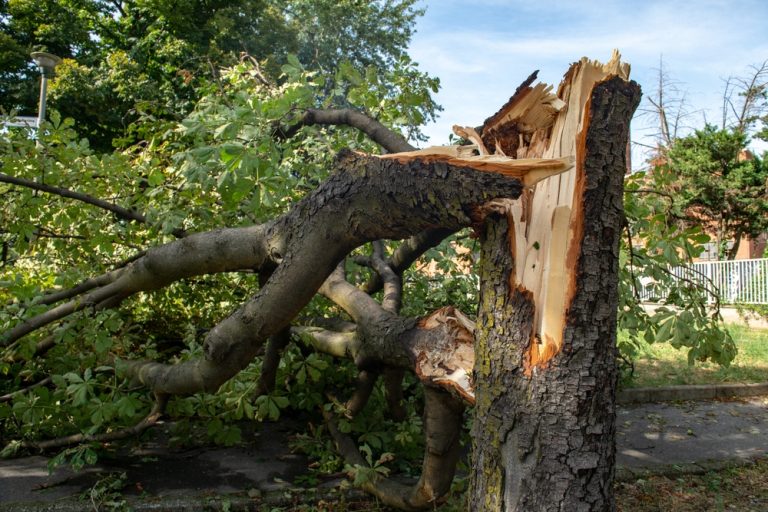
Storms can leave a yard looking like nature hosted a garage sale. Branches scatter across the lawn, leaves pile into soggy drifts, and twigs seem to appear in places that made no sense before the wind arrived. That messy scene might feel overwhelming at first, but it also offers a surprising opportunity for gardeners. Many…