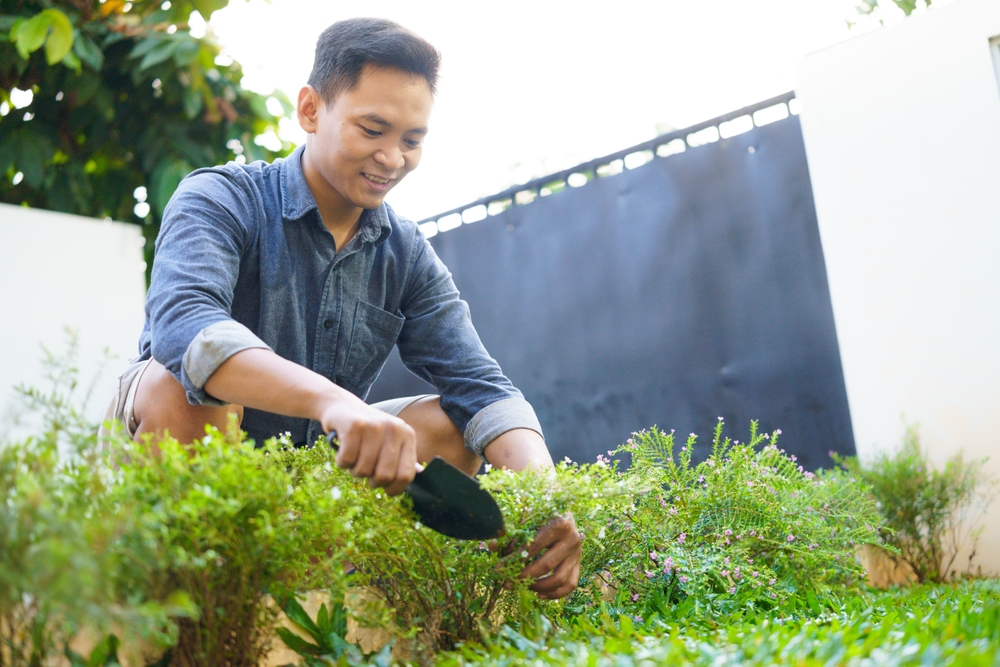
Gardens don’t need more land to produce more food—they need smarter design. Small layout tweaks can completely change how plants grow, breathe, and produce. Many home gardeners across the United States struggle with crowded beds, uneven sunlight, and disappointing harvests, even when they work hard. The good news: yield often depends more on arrangement than effort.
A well-planned garden layout acts like a silent partner in growth. It guides sunlight to the right leaves, keeps air moving between stems, and ensures roots don’t compete in silence. When plants stop fighting for space, they start focusing energy on fruit, vegetables, and herbs that actually fill baskets.
1. Orient Rows to Capture Maximum Sunlight
Row direction plays a huge role in how efficiently plants convert sunlight into food. In most U.S. regions, north-south rows allow the sun to hit both sides of plants evenly throughout the day. That balanced exposure reduces weak, leggy growth and encourages stronger fruit production. Tomatoes, peppers, and beans especially respond with noticeably higher yields when they receive consistent light distribution.
Gardeners who switch row orientation often notice changes within a single season. Plants stop leaning aggressively toward light sources and begin growing more upright and stable. That stability helps flowers set more fruit instead of dropping early due to stress. A simple shift in direction can increase usable harvests without adding a single extra seed.
2. Increase Spacing to Prevent Hidden Competition
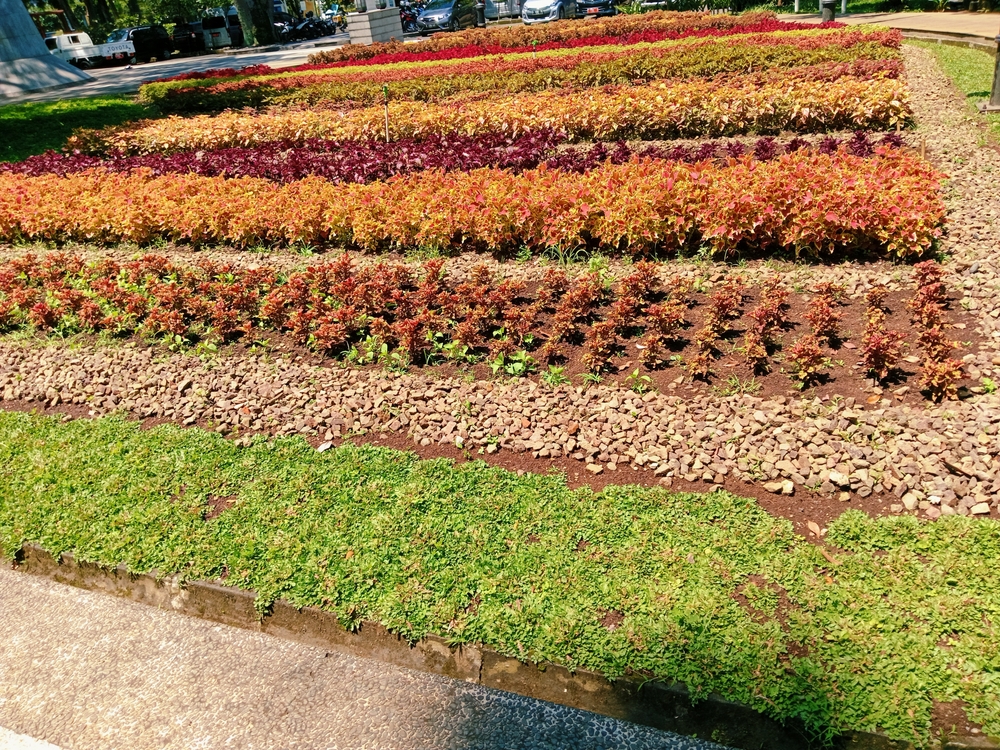
Crowded plants don’t just look messy—they quietly steal resources from each other. Roots compete for water and nutrients, while leaves block airflow and trap moisture. That combination invites disease and reduces overall productivity, especially in humid American summers. Proper spacing allows each plant to reach its full genetic potential without constant stress.
Expanding spacing by even a few inches can transform garden performance. Squash vines stretch more freely, lettuce heads form tighter structures, and peppers produce more consistent fruit sets. Air circulation improves dramatically, which lowers fungal risk and keeps foliage healthier. Better spacing often increases yield quality even when total plant count drops slightly.
3. Group Plants by Water and Nutrient Needs
Mixing thirsty plants with drought-tolerant ones creates constant imbalance in garden beds. Some roots stay soaked while others dry out too quickly, and both extremes hurt production. Grouping plants with similar needs allows more precise watering schedules and targeted soil care. That efficiency reduces waste and improves consistency across the entire garden.
Vegetable gardens in the United States benefit greatly from this approach, especially during hot summers. Tomatoes and cucumbers thrive together in moisture-rich zones, while herbs like rosemary and thyme prefer drier, well-drained sections. This separation prevents overwatering mistakes that often lead to root rot or stunted growth. When plants receive exactly what they need, yields rise naturally without extra inputs.
4. Use Vertical Space to Expand Growing Capacity
Flat ground limits how much food a garden can produce, but vertical space opens a new layer of productivity. Trellises, cages, and fencing systems allow crops to grow upward instead of outward. Beans, cucumbers, and indeterminate tomatoes respond especially well to vertical training in home gardens. This shift increases air circulation and sunlight exposure at the same time.
Vertical layouts also simplify harvesting and pest control. Fruit hangs more visibly, which reduces missed harvests and overripe losses. Leaves dry faster after rain, which lowers disease pressure in many regions across the United States. When gardeners build upward instead of outward, small spaces suddenly behave like much larger farms.
5. Rotate Plant Locations to Restore Soil Balance
Soil fatigue builds quietly when the same crops grow in the same place year after year. Nutrients deplete unevenly, and pests learn exactly where to return each season. Crop rotation interrupts that cycle and restores balance across garden beds. This strategy remains one of the most reliable ways to maintain long-term productivity.
American gardeners often rotate heavy feeders like corn and tomatoes with soil-building crops such as beans and peas. That shift naturally replenishes nitrogen and improves soil structure over time. Plants grown in rotated beds often show stronger root systems and higher fruit production. Healthy soil leads directly to stronger harvests without relying heavily on fertilizers.
Smarter Layouts Create Bigger Harvests Without Bigger Effort
Garden success rarely depends on working harder—it depends on arranging smarter. Small layout changes shape how sunlight moves, how roots compete, and how efficiently water reaches each plant. When those systems align, gardens respond with stronger growth and noticeably larger yields. Many home growers discover that redesigning space produces more results than adding more effort or inputs.
What layout adjustment has made the biggest difference in your garden success so far, and which one feels most exciting to try next season?
You May Also Like…
Vertical PVC Gardening: Building a Space-Saving Food Tower for $15
March Garden Layout Mistakes That Waste Space
7 Garden Layout Changes to Make During the Off-Season
5 Proven Gardening Shortcuts That Save Time
8 Pollinator-Friendly Additions That Increase Garden Activity

Brandon Marcus is a staff writer for FrugalGardening.com at District Media, Inc., where he delivers practical gardening advice with a relatable, no-nonsense style. An avid amateur gardener, he holds a BA degree and with over ten years of professional writing experience, he is also an award-winning published author whose first book, Questions For Deep Thinkers, was released by Adams Media. His work has appeared in major publications including Fandom.com, CHUD.com, TheColdWire.com, and Fansided.com.
Leave a Reply