A backyard garden can turn into a steady source of fresh food when the right crops enter the soil. Some vegetables deliver one harvest and stop, while others keep pushing out produce week after week. The difference changes how a garden feels, especially during peak summer heat. Instead of waiting for new plantings, gardeners can enjoy a continuous flow of ingredients straight from the yard. Smart crop choices make that rhythm possible.
Summer gardening rewards consistency and selection more than luck. Certain plants respond to frequent picking and warm weather by producing even more. That means a single planting can feed a kitchen for months without replanting. Gardeners who choose wisely spend less time starting over and more time harvesting. These eight crops keep the garden active from early summer into the first hints of fall.
1. Indeterminate Tomatoes
Indeterminate tomatoes grow like climbing machines that refuse to quit. These plants produce new stems, flowers, and fruit clusters throughout the entire season. Regular harvesting signals the plant to keep producing more ripe tomatoes. Gardeners who prune lightly and support vines with stakes or cages get a steady supply. Heat and sunlight fuel their nonstop production cycle.
These tomatoes work well in sauces, salads, and fresh snacking straight off the vine. Varieties like cherry and Roma types often produce especially heavy yields. Consistent watering helps prevent blossom-end rot and cracked fruit. Pests like hornworms can slow production, so regular inspection matters. A well-managed plant can feed a household from July through September.
2. Zucchini
Zucchini plants grow fast and reward quick harvesting with even more fruit. Each plant can produce multiple squash per week during peak summer growth. Gardeners who pick zucchini small and often keep production rolling. Large fruit left on the vine signals the plant to slow down. Warm temperatures and rich soil push this crop into overdrive.
This vegetable works in grilling, baking, and even spiralized dishes. Plants spread wide, so spacing helps improve airflow and reduce disease. Powdery mildew sometimes appears, especially during humid stretches. Consistent harvesting prevents oversized squash that lose flavor. A few plants can overwhelm a kitchen if harvesting stays on schedule.
3. Green Beans
Green beans grow in two main types, but pole beans lead the long-season production race. These climbing plants continue flowering as long as gardeners pick pods regularly. Vertical supports help increase airflow and make harvesting easier. The more beans get picked, the more the plant produces. Warm soil temperatures keep growth strong all summer.
Fresh beans snap with flavor and cook quickly in many dishes. Success depends on frequent picking before pods become tough. Insect pressure stays low when plants receive good air circulation. Compost-rich soil boosts pod size and plant health. A single trellis can deliver buckets of beans over several months.
4. Cucumbers
Cucumber vines stretch quickly and respond strongly to steady harvesting. Picking cucumbers young encourages the plant to form new fruit. Trellising improves air circulation and reduces disease pressure. These vines prefer warm weather and consistent watering schedules. Once production starts, it rarely slows during peak summer heat.
Cucumbers work well in salads, pickling jars, and refreshing snacks. Bitter fruit often signals stress from heat or irregular watering. Regular harvesting keeps flavor crisp and size manageable. Pests like cucumber beetles require attention early in the season. A healthy vine can produce dozens of cucumbers from a single planting.
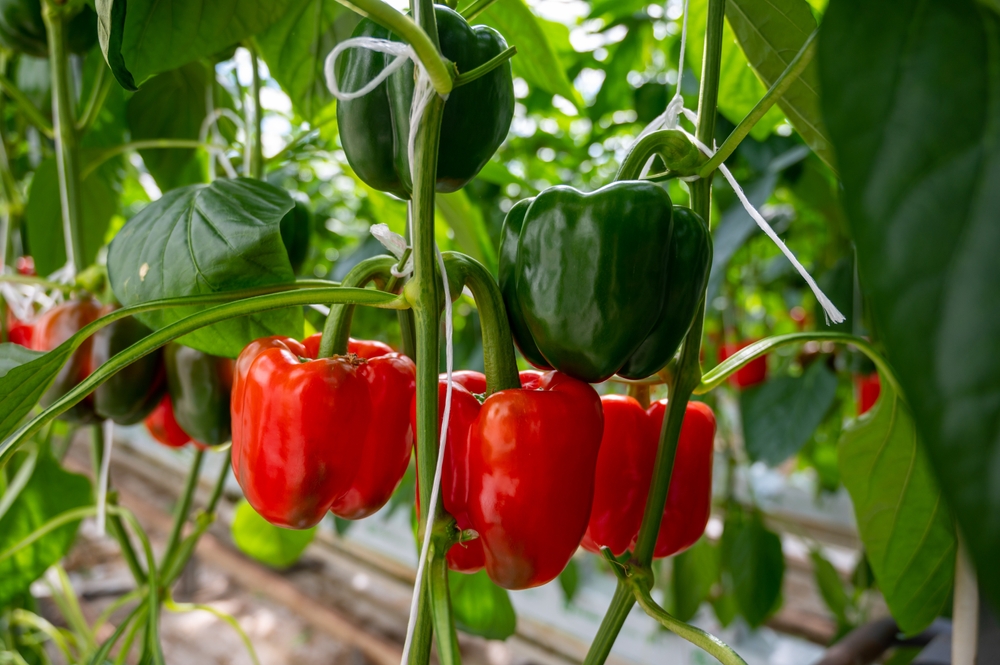
5. Bell Peppers
Bell pepper plants grow steadily and produce fruit throughout summer’s warm stretch. Each plant develops multiple peppers that mature at different times. Harvesting green peppers early encourages more fruit development. Sunlight plays a major role in sweetness and color development. Strong plants often carry fruit into early fall.
Peppers fit into countless meals, from stir-fries to stuffed dishes. They prefer steady moisture without waterlogged soil conditions. Support may help branches carry heavy fruit loads. Aphids sometimes gather on new growth, so regular checks help. One plant can provide a long-lasting harvest window with proper care.
6. Swiss Chard
Swiss chard delivers leafy greens that regenerate after each harvest. Gardeners who cut outer leaves first keep the plant producing new growth. Heat tolerance gives this crop an advantage over many other greens. Bright stems and large leaves add color to garden beds. Continuous picking extends harvests deep into the season.
This green works well in sautés, soups, and fresh salads. Plants resist bolting better than spinach during hot spells. Soil richness improves leaf size and flavor intensity. Slugs sometimes target young leaves, especially after rain. A few plants can supply greens for months with steady care.
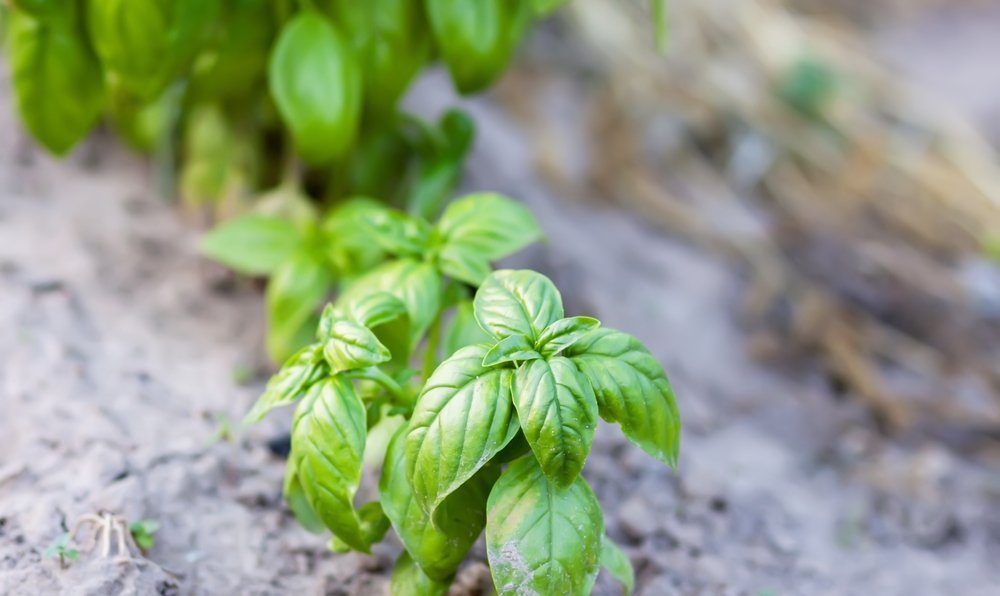
7. Basil
Basil grows quickly and responds strongly to frequent trimming. Each cut encourages the plant to branch out and produce more leaves. Warm temperatures keep flavor strong and growth rapid. Regular harvesting prevents flowering, which reduces leaf quality. Gardeners who stay consistent enjoy a constant supply of fresh herbs.
This herb elevates pasta, salads, sauces, and infused oils. Pinching stems early creates bushier plants with higher yields. Containers work well for basil in small spaces. Inconsistent watering can slow leaf production. A healthy plant can support kitchen needs all summer long.
8. Okra
Okra thrives in hot conditions that slow down many other crops. Pods grow quickly and require harvesting every couple of days. Frequent picking encourages the plant to keep producing new pods. Tall plants create an impressive vertical presence in the garden. Heat waves often boost production instead of harming it.
Okra works well in frying, stews, and gumbo-style dishes. Pods taste best when harvested young and tender. Spacing improves airflow and reduces fungal issues. Insects rarely cause major damage when plants stay vigorous. A few plants can produce heavily through the hottest months of summer.
The Secret Behind a Continuous Summer Harvest
Consistent harvesting drives every crop on this list to keep producing. Plants respond to frequent picking by redirecting energy into new growth. Warm weather, proper spacing, and steady watering strengthen that cycle. Gardeners who stay attentive often enjoy harvests that outpace expectations. Smart crop selection turns a garden into a reliable summer food source.
Which of these crops would fit best into a backyard garden setup, and what would get planted first?
You May Also Like…
Never Buy Seeds Again: How to Save Seeds From Your Spring Crops
10 Vegetables That Produce the Most Food for the Least Money
6 Late Spring Crops That Still Produce Strong Harvests
Never Overcrowd Again: The Simple Guide to Spacing Your Vegetables for Bigger Harvests
Skip the Transplants: These Warm-Weather Veggies Excel When Direct-Sown Now

Brandon Marcus is a staff writer for FrugalGardening.com at District Media, Inc., where he delivers practical gardening advice with a relatable, no-nonsense style. An avid amateur gardener, he holds a BA degree and with over ten years of professional writing experience, he is also an award-winning published author whose first book, Questions For Deep Thinkers, was released by Adams Media. His work has appeared in major publications including Fandom.com, CHUD.com, TheColdWire.com, and Fansided.com.
Leave a Reply