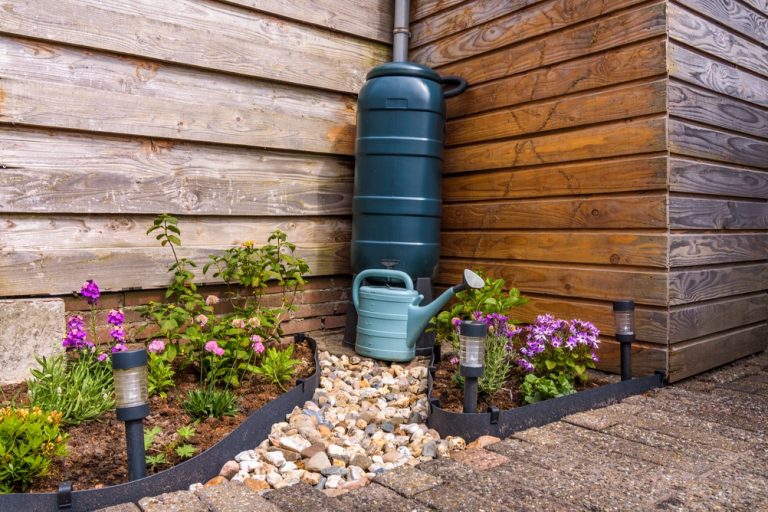
Rain barrels usually sit at the garden’s edge doing one job: collecting water and waiting for a watering can to come along. There is a quieter, smarter trick that turns that storage tank into a slow-release watering system that feeds plants right at the root zone. By carefully adding small punctures near the base, water…
sustainable gardening
Smart Garden Tech: Drip Irrigation and Soil-Moisture Sensors Conserve Water and Money
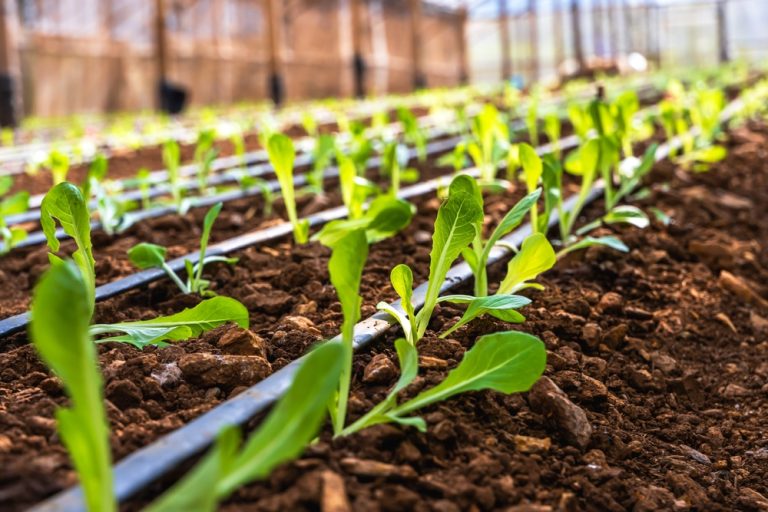
Gardens have always rewarded a little planning, but smart garden tech gives today’s gardeners a serious advantage. Pairing drip irrigation with soil moisture sensors takes much of the guesswork out of watering, helping plants get exactly what they need while keeping more money in your wallet. That means fewer soggy flower beds, fewer stressed vegetables,…
Stop Throwing Away Lawn Clippings: Use “Leaf Litter” as Mulch to Feed Soil and Save Money
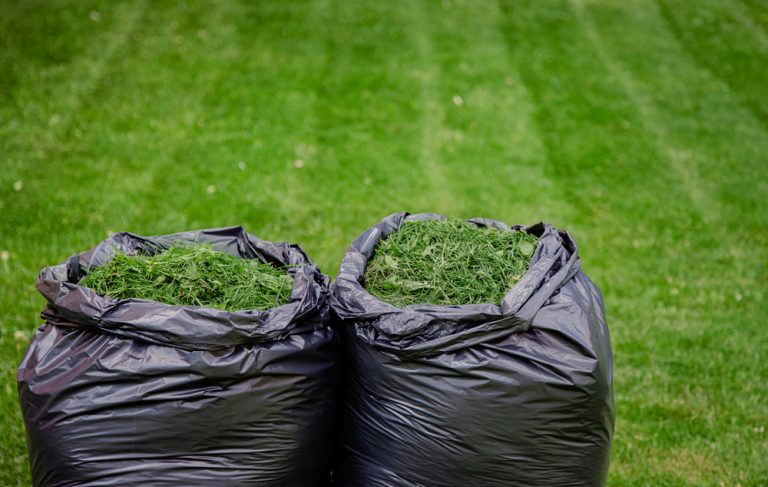
The next time the lawn mower leaves behind a fresh layer of grass clippings, think twice before stuffing them into a bag. Those green leftovers can become one of the cheapest and most effective garden helpers around when used as leaf litter mulch. Instead of paying for bags of mulch every spring, gardeners can recycle…
Graywater Best Practices: Use Biodegradable Soap, Drip Directly Into Soil and Alternate with Fresh Water
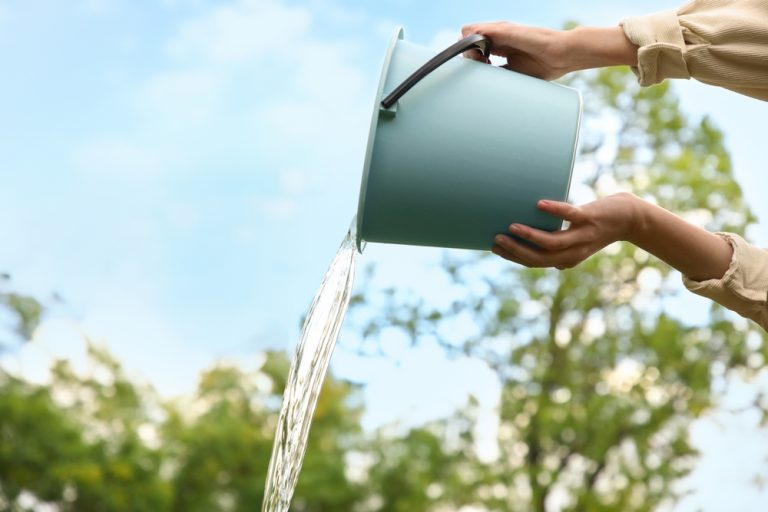
Water bills keep climbing, dry spells seem to linger longer, and gardeners continue searching for practical ways to stretch every drop. Graywater offers one smart solution, but success depends on using it correctly instead of simply sending used household water into the garden. A few thoughtful habits, including choosing biodegradable soap, directing water into the…
Why More Americans Are Looking for Low-Water Gardening Solutions
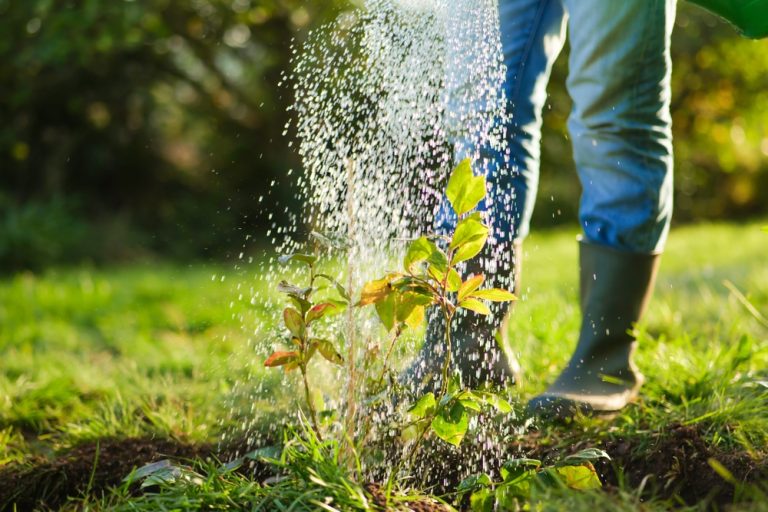
Low-water gardening is no longer a niche hobby tucked into desert regions. It now shows up in suburbs, city balconies, and even lush-looking front yards that once drank water like it was a sport. Homeowners across the country are rethinking how much water their landscapes really need, especially when summers run hotter and rainfall feels…
Drought‑Resistant Herbs and Spices: Rosemary, Thyme and Sage Thrive with Minimal Water
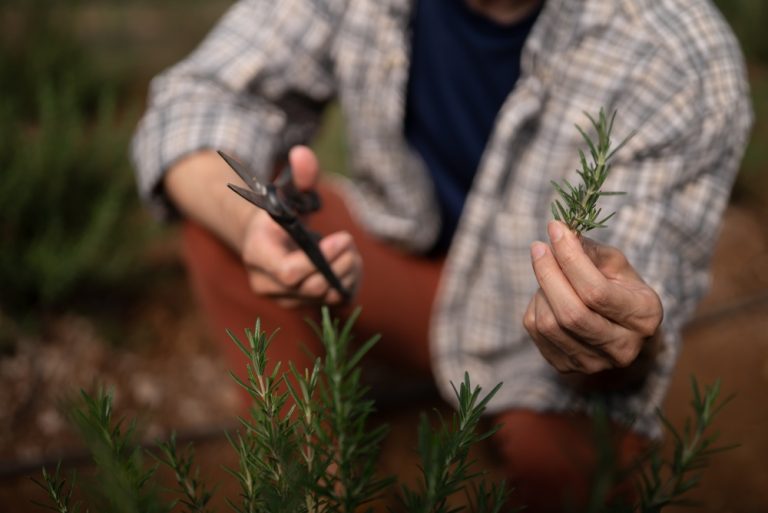
Rosemary, thyme, and sage bring serious personality to a garden, especially when water becomes scarce and every drop counts. These herbs do not just survive dry conditions; they turn them into an advantage by producing stronger aromas and concentrated flavors that make cooking far more exciting. Many gardeners overlook how well these Mediterranean natives handle…
Why More People Are Choosing Functional Landscaping Over Traditional Lawns
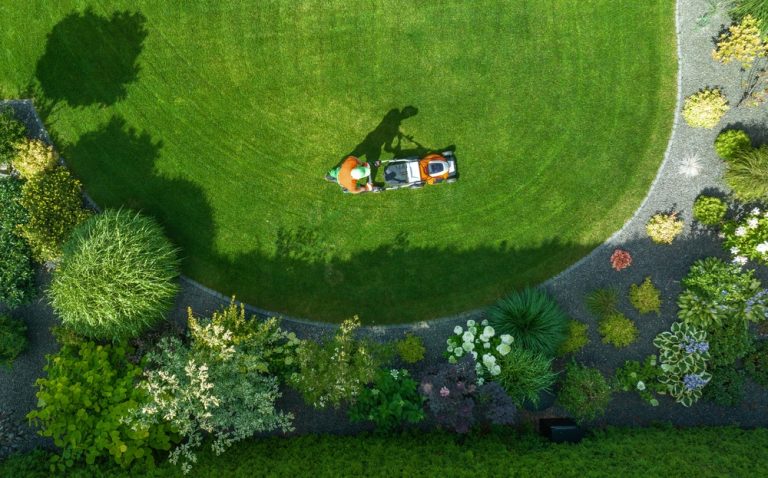
A perfect green lawn once stood as the gold standard of suburban pride. Now, more homeowners happily trade endless mowing, watering, and fertilizing for landscapes that actually do something useful. Functional landscaping delivers beauty while supporting pollinators, growing food, managing rainwater, and cutting back on maintenance. That combination explains why this gardening trend keeps popping…
9 Gardening Trends That Are Suddenly Falling Out of Favor
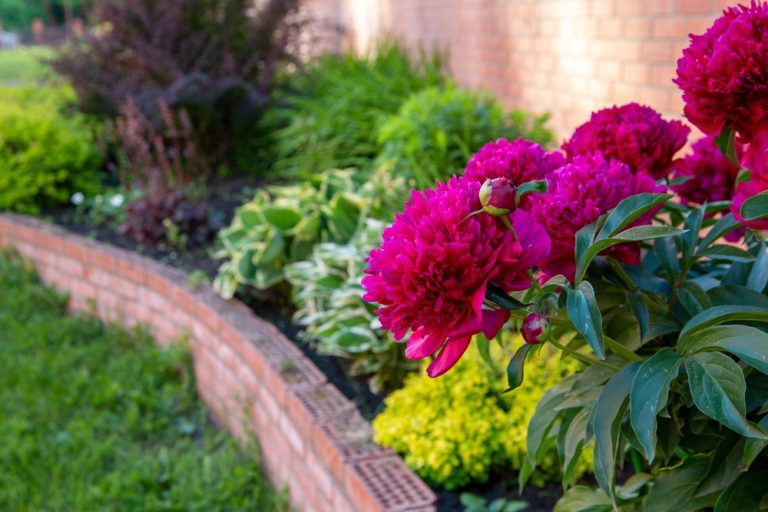
Gardens never stand still, and neither do gardening trends. Ideas that once filled magazine covers and neighborhood landscapes often fade as gardeners discover better ways to save time, support wildlife, and create outdoor spaces that actually fit everyday life. The biggest shift isn’t about chasing the newest fad. It’s about choosing gardens that look beautiful,…
10 Backyard Gardening Trends Taking Over Summer 2026
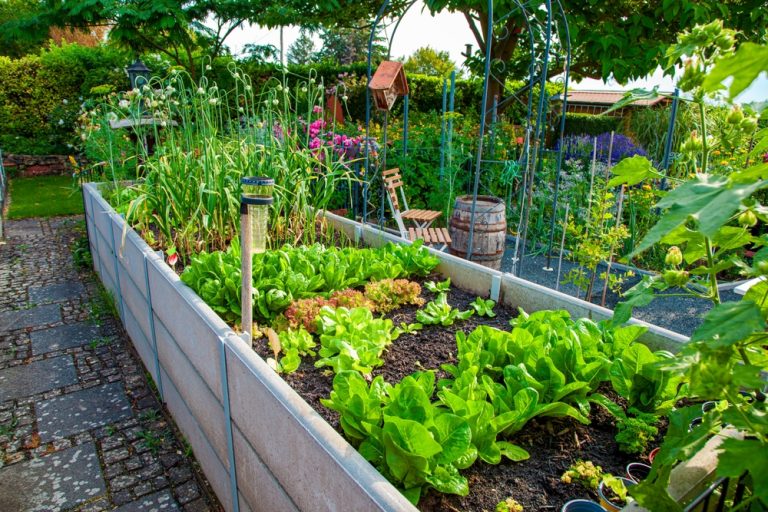
Backyards in 2026 are not sitting quietly anymore. They are bursting with personality, packed with purpose, and often pulling double duty as food source, wildlife refuge, and outdoor escape zone. Gardeners are leaning into smarter design choices that save time while boosting beauty and function at the same time. This summer, the yard feels less…
The Outdoor Living Trend That’s Quietly Replacing Formal Landscaping
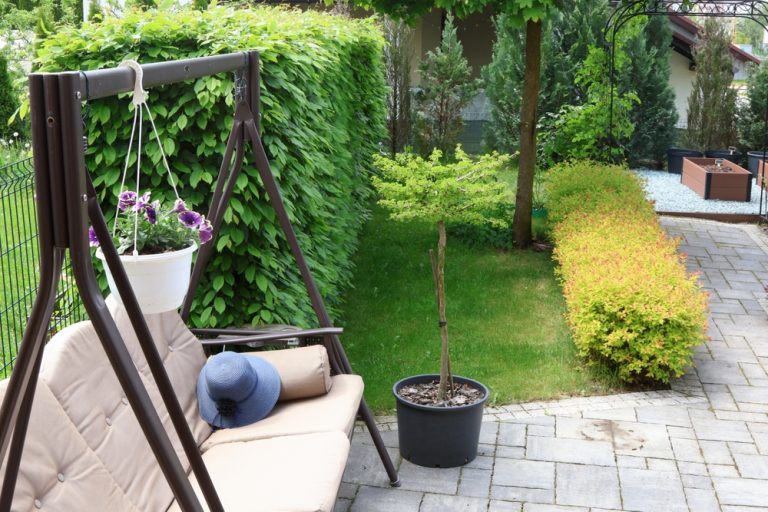
Outdoor spaces are getting a personality upgrade, and it shows the moment you step outside. Crisp hedges and perfectly symmetrical garden beds still exist, but many homeowners now lean toward spaces that feel lived-in, flexible, and inviting. The shift does not focus on perfection anymore, but instead on comfort, usability, and connection to nature. Patios…