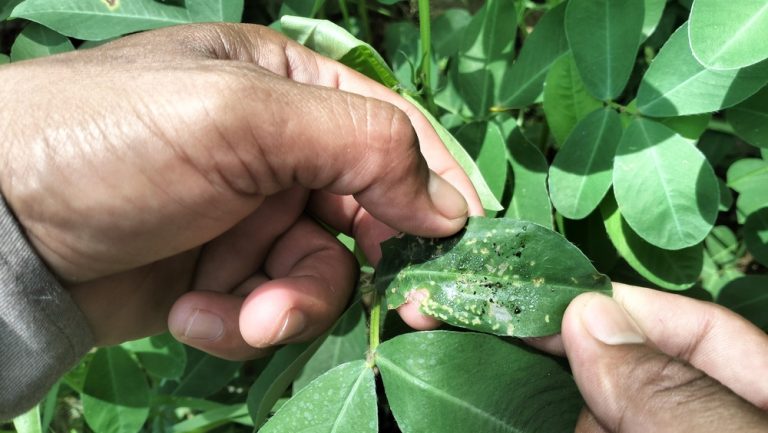
A backyard can look peaceful on the surface while a tiny army quietly shapes everything underneath. Some insects protect plants, but others signal trouble, damage roots, or invite bigger infestations if ignored. Garden health often depends on noticing these small intruders before they multiply and spread. Every leaf, stem, and patch of soil tells a…
organic gardening
7 Things You Should Never Put in Your Compost Bin
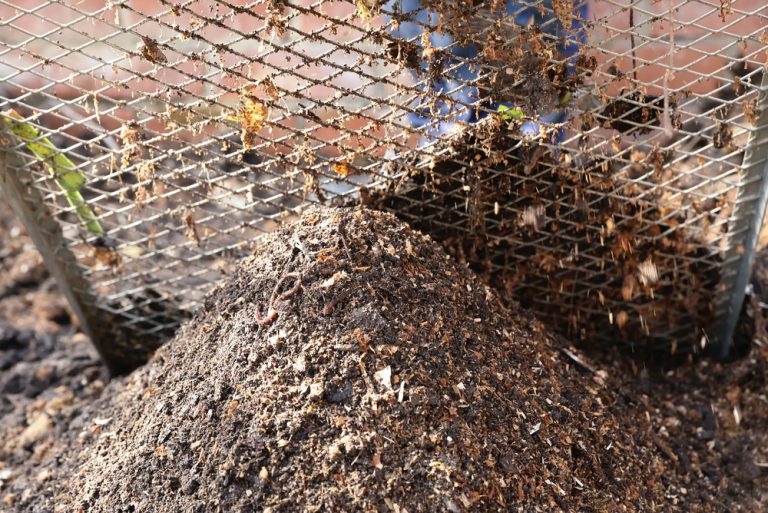
Composting turns everyday kitchen and yard scraps into nutrient-rich soil, but the wrong additions can quickly flip that success story upside down. A single poor choice can invite pests, slow decomposition, or even introduce harmful pathogens into the mix. Many gardeners focus on what to add, yet the real secret often lies in what gets…
8 Plants That Can Help Keep Ticks Away From Your Yard
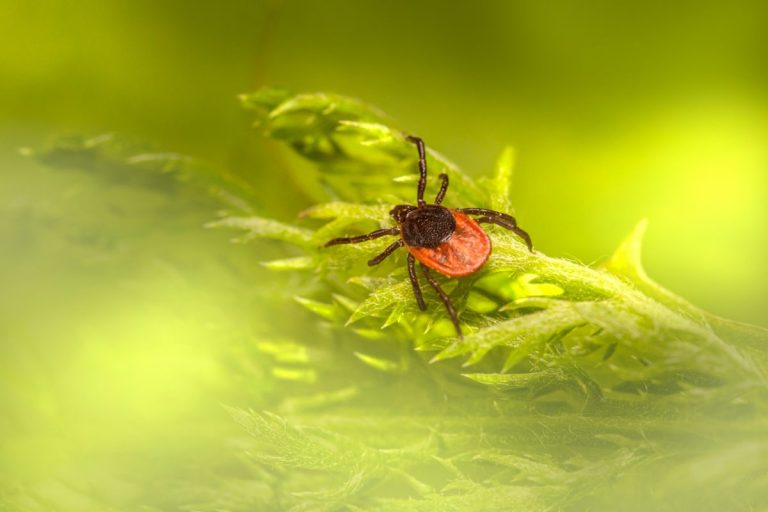
A yard should feel like a place to relax, not a place where hidden pests wait in the grass. Ticks love shaded, damp, overgrown spaces, especially where tall weeds and dense ground cover create the perfect hiding spots. The good news is that certain plants can help make your outdoor space less inviting for these…
9 Flowers That Secretly Help Your Vegetable Garden Grow Better
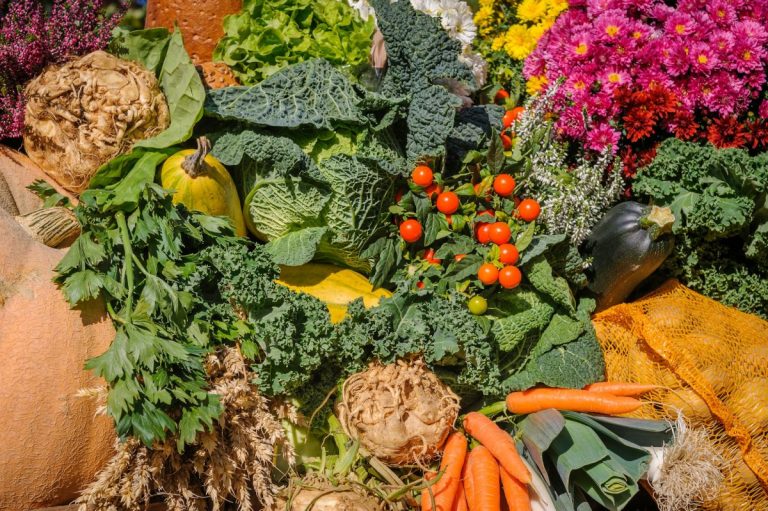
A vegetable garden does far more than produce food when the right flowers join the mix. Certain blooms quietly work behind the scenes to repel pests, attract helpful insects, and improve soil conditions. Gardeners who mix flowers with vegetables often notice stronger harvests and fewer pest problems. These floral helpers also bring color, fragrance, and…
9 Plants That Can Help Lower Backyard Mosquito Populations Naturally
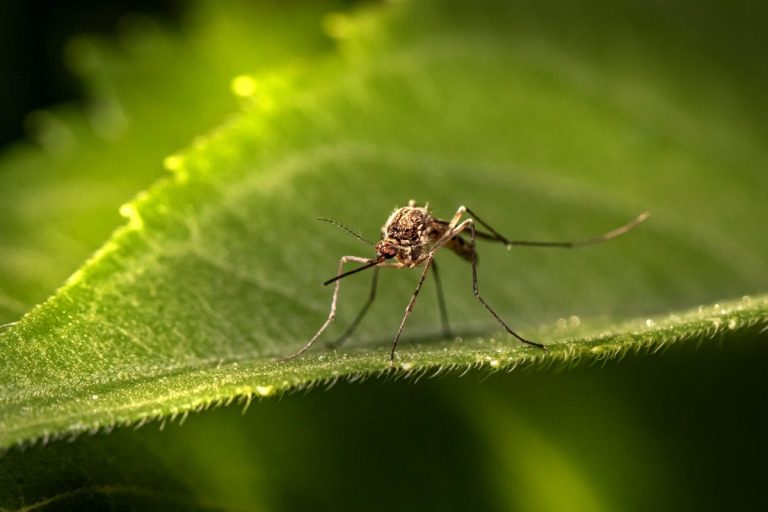
A backyard can quickly turn uncomfortable when mosquitoes start swarming at dusk, but nature offers a surprisingly stylish solution. Certain plants release strong natural oils that confuse, repel, or deter mosquitoes from settling in. Gardeners can strategically place these plants around patios, seating areas, and garden edges for better outdoor comfort. These plants also bring…
Why More Americans Are Creating Edible Landscapes
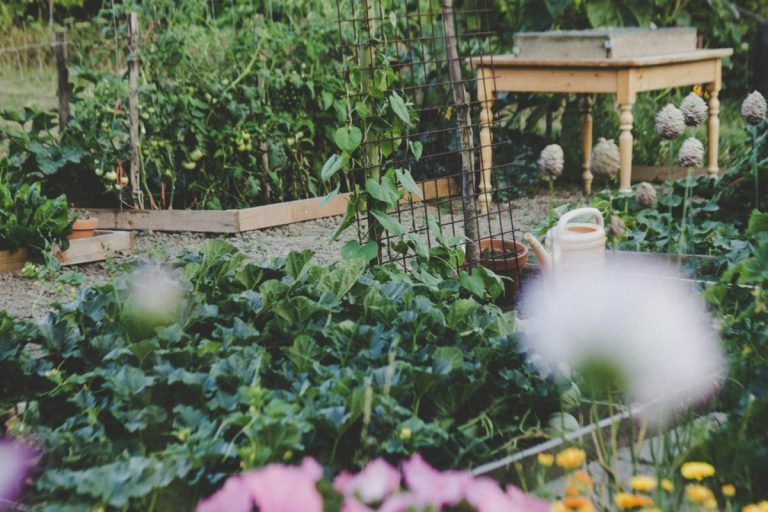
A quiet revolution has started in neighborhoods across America, and it is happening right in front yards, side yards, and backyard fences. Homeowners who once focused solely on decorative plants now mix fruits, vegetables, herbs, and edible flowers into their landscaping plans. The result looks beautiful, produces food, and often cuts grocery bills at the…
Never Buy Seeds Again: How to Save Seeds From Your Spring Crops
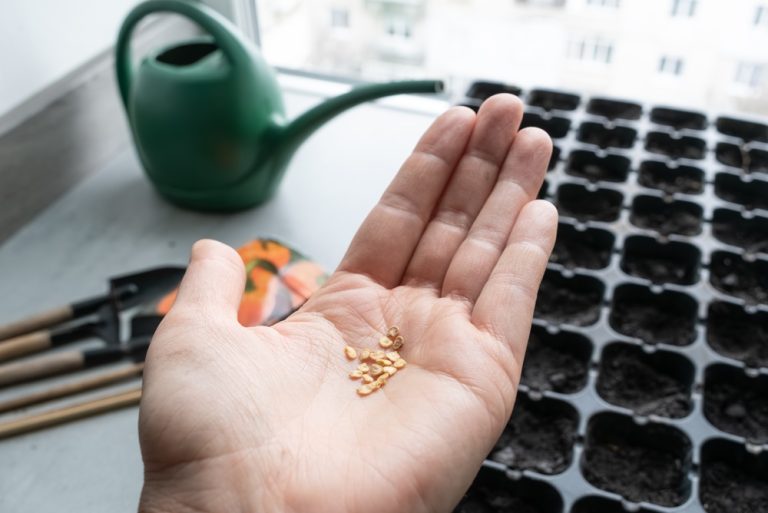
Spring gardens deliver more than fresh vegetables; they also offer a built-in system for future planting. Many gardeners spend money each year on new seed packets without realizing their garden already produces everything needed for next season. Seed saving turns a one-time purchase into a long-term cycle of abundance that reduces costs and increases independence…
Supercharge Your Soil: How to Brew Compost Tea or Worm Castings Tea at Home
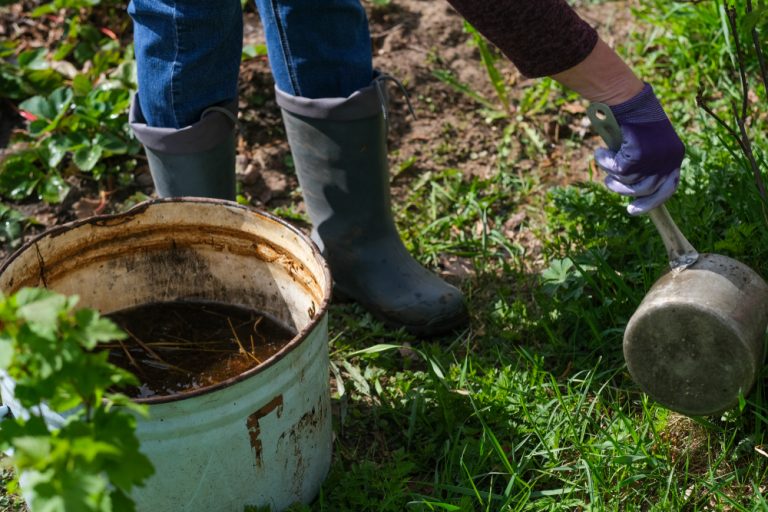
Gardeners spend fortunes on fertilizers every spring, yet some of the best plant boosters already sit in compost bins and worm buckets right at home. Compost tea and worm castings tea pack gardens with beneficial microbes, gentle nutrients, and natural soil-building power that synthetic fertilizers simply cannot match. Tomato plants grow fuller, herbs smell stronger,…
Companion Planting Cheat Sheet: Perfect Pairings That Boost Growth and Save Space
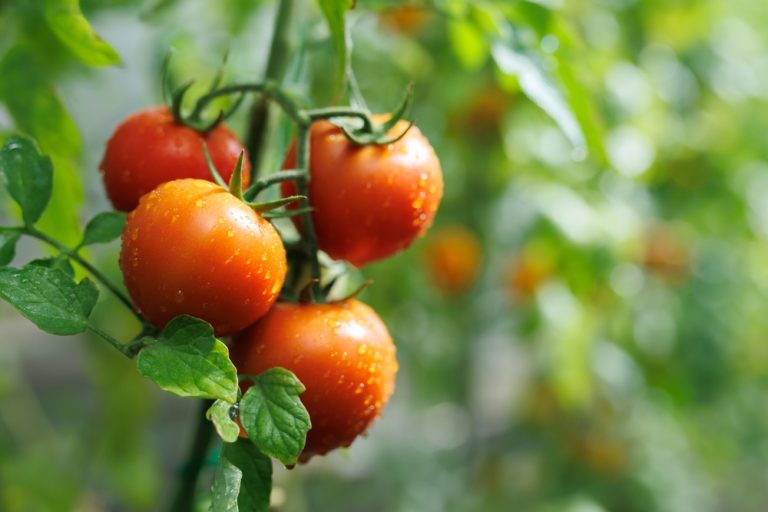
Companion planting turns an ordinary garden into a coordinated, productive system where plants support each other in surprising ways. Certain crops release natural chemicals that repel pests, while others improve soil health or provide shade and structure for neighbors. Gardeners who use smart pairings often notice fewer pest problems, stronger yields, and better use of…
Grow a Three Sisters Garden: Corn, Beans & Squash That Feed Each Other
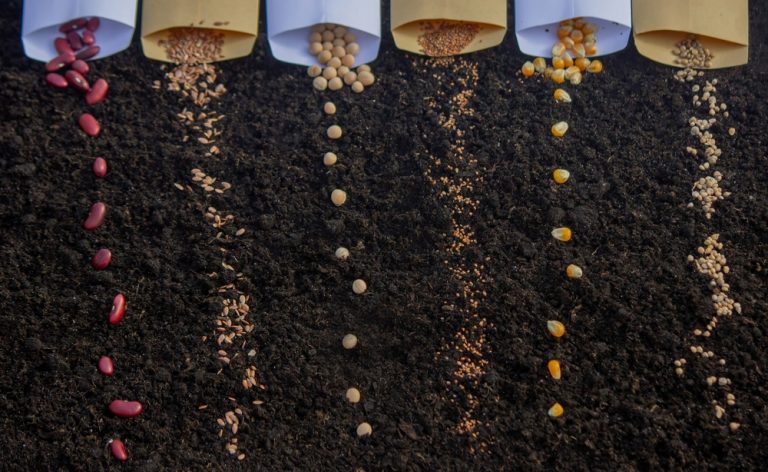
A Three Sisters garden turns an ordinary backyard patch into one of the smartest planting systems around. Corn shoots upward like a living trellis, beans climb those sturdy stalks, and squash spreads across the soil like a natural mulch blanket. This planting method dates back centuries and still impresses modern gardeners because it saves space,…