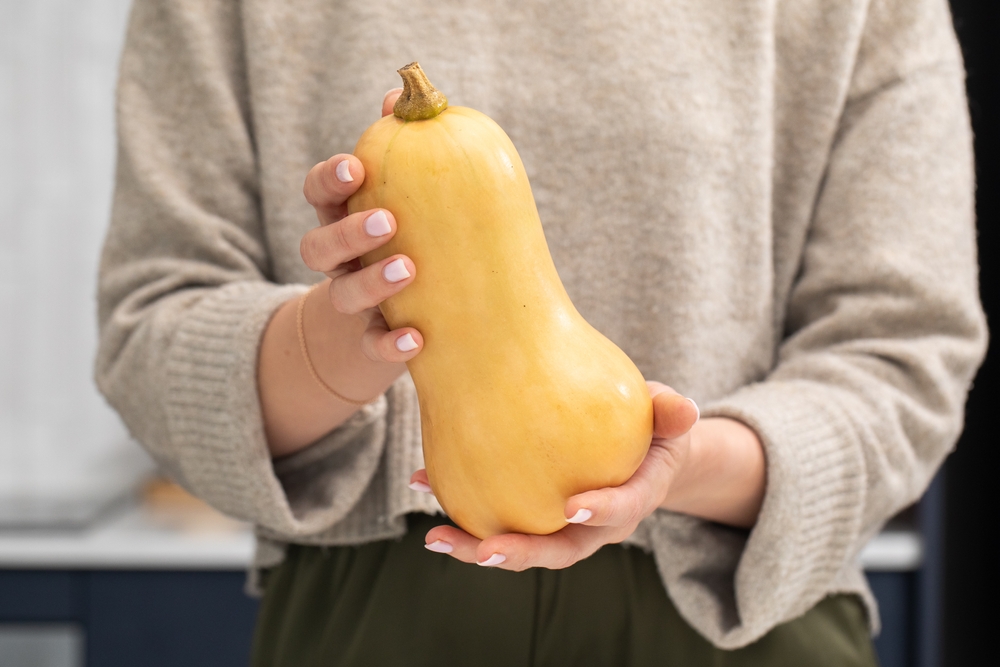
Winter squash has a funny way of making gardeners second-guess themselves. One week the vines look like they could drink an entire bathtub, and the next week the leaves start yellowing while those hefty squash sit there looking suspiciously finished. The right time to stop watering winter squash generally comes when the fruit approaches full maturity, but that does not mean gardeners should suddenly abandon the hose several weeks before harvest.
The goal involves gradually reducing water as the squash ripens, rather than forcing the plant through an abrupt drought. Less water late in the season can help reduce fruit rot, especially when the squash sits on damp soil, while keeping the soil reasonably moist until the fruit finishes prevents unnecessary plant stress. The trick comes down to watching the fruit, the vine, the soil, and the forecast instead of following a rigid calendar.
Start Cutting Back When the Squash Looks Mature
Winter squash gives gardeners several clues when harvest approaches, and the rind provides one of the best clues of all. A mature squash develops a hard shell that resists scratching with a fingernail, while the vine often begins to decline and the stem nearest the fruit becomes harder and more woody.
Once those signs appear, gradually reduce irrigation rather than continuing a full watering routine simply because the calendar says the garden needs it. Utah State University Extension specifically recommends reducing watering amounts as winter squash ripens because excessive moisture can encourage fruit rot and may improve flavor when the fruit finishes.
Do Not Shut Off the Water Too Early
A nearly mature squash still needs access to moisture, particularly during hot, dry weather when the soil can lose water quickly. Cutting irrigation while the vines still actively grow and the fruit still needs time to mature can put unnecessary stress on the plant, so the gardener should judge soil moisture rather than assuming yellowing leaves automatically mean harvest time.
A simple finger test can reveal plenty in a home garden: check the soil several inches below the surface near the root zone, rather than judging moisture from the dusty surface alone. If the soil remains reasonably moist, skip another watering, but if the root zone has dried significantly during a hot spell, give the plant a deep drink and then reassess rather than keeping the sprinkler running on autopilot.
Let the Weather Help Make the Decision
Late-season weather can completely change the watering equation. A week of rain can provide more than enough moisture, while a stretch of hot, windy weather can dry the soil surprisingly fast, and unnecessary irrigation on top of rainfall can leave the garden wetter than the squash needs.
That matters because winter squash stores best when gardeners harvest mature fruit with a firm rind and avoid unnecessary wet conditions around harvest. Overly wet conditions can hurt storage crops such as winter squash, and gardenders recommend bringing squash in before cold, wet weather creates problems in the garden.
The Final Watering Should Follow the Fruit, Not the Calendar
There is no universal “stop watering exactly X days before harvest” rule for every winter squash variety and garden. Pumpkins sometimes receive specific guidance to stop watering roughly a week before harvest, but winter squash guidance more commonly emphasizes reducing irrigation as the fruit ripens rather than flipping an exact shutoff date.
Once the rind feels hard, the fruit has reached its normal mature color, the stem has hardened, and the vine has begun its natural decline, gardeners can let the soil dry somewhat between waterings. If heavy rain arrives, there is no need to compensate with additional irrigation, and if the soil stays damp, the best watering decision may involve doing absolutely nothing, which might be the hardest gardening task of them all. Harvest before a hard freeze, then handle the squash gently because cuts, bruises, and broken stems can shorten storage life.
When the Squash Says “Enough,” Put Down the Hose
The right time to stop watering winter squash arrives gradually, not with a dramatic final watering ceremony. Reduce irrigation as the fruit reaches maturity, pay attention to soil moisture, and let rainfall handle the job whenever the garden already has adequate moisture.
The best harvest cue comes from the squash itself: a hard rind that resists a fingernail, a hardened stem, and a vine beginning to shut down naturally all point toward maturity. Once those signs line up, excessive water offers little benefit and can create wetter conditions that encourage rot, so give the hose a well-earned rest and start watching the weather for the right harvest window.
How do you decide when your winter squash has received its last watering? Share your best squash-growing trick in the comments!
You May Also Like…
Why Do Watermelons Split Just Before Harvest?
How to Tell If You’re Watering Deeply Enough
Why Deep Watering Matters More Than Daily Sprinkling During Hot Weeks
Why Self-Watering Gardens Are Suddenly So Popular
The Overwatering Issue That Weakens Root Systems

Brandon Marcus is a staff writer for FrugalGardening.com at District Media, Inc., where he delivers practical gardening advice with a relatable, no-nonsense style. An avid amateur gardener, he holds a BA degree and with over ten years of professional writing experience, he is also an award-winning published author whose first book, Questions For Deep Thinkers, was released by Adams Media. His work has appeared in major publications including Fandom.com, CHUD.com, TheColdWire.com, and Fansided.com.
Leave a Reply