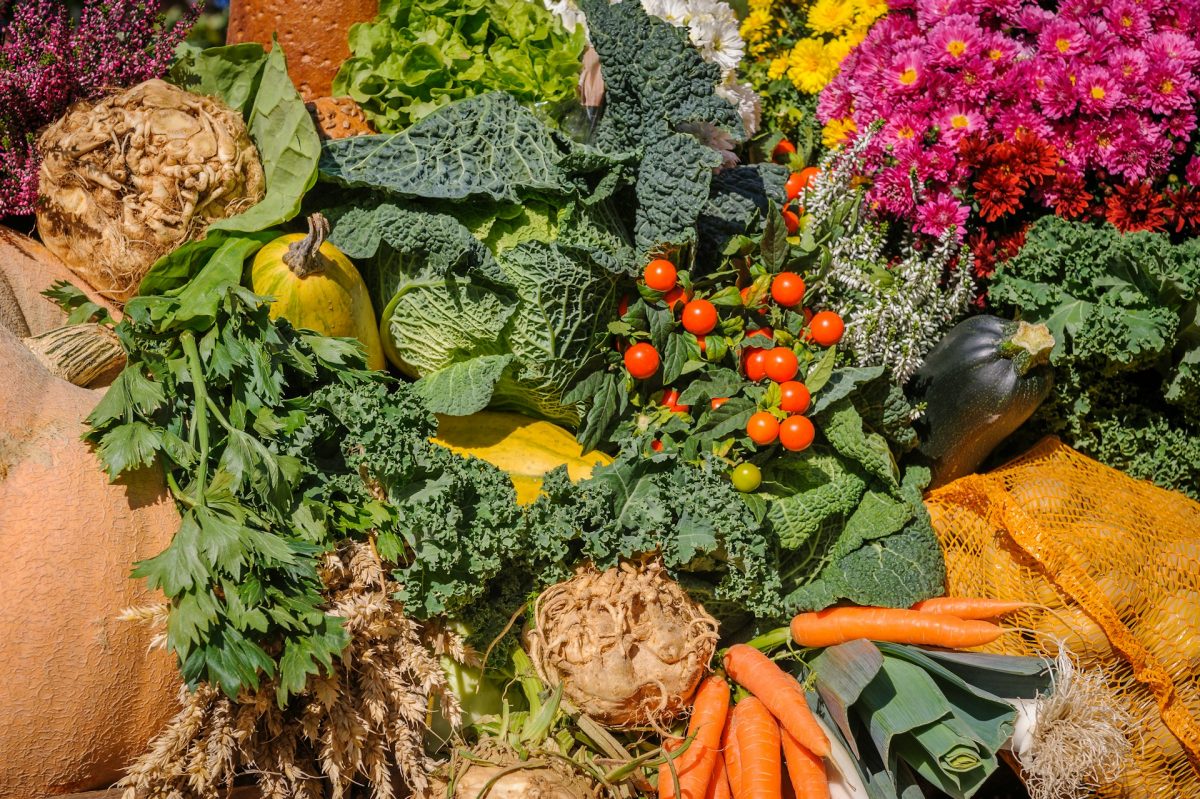
A vegetable garden does far more than produce food when the right flowers join the mix. Certain blooms quietly work behind the scenes to repel pests, attract helpful insects, and improve soil conditions. Gardeners who mix flowers with vegetables often notice stronger harvests and fewer pest problems.
These floral helpers also bring color, fragrance, and balance to outdoor spaces. The real magic happens when beauty and productivity grow side by side in the same beds.
1. Marigolds Bring Natural Pest Protection to Every Corner
Marigolds stand out as one of the most powerful companion flowers in vegetable gardens. Their strong scent confuses and repels pests like aphids, nematodes, and whiteflies. Many gardeners plant marigolds around tomatoes, peppers, and beans for this reason alone. Bright orange and yellow blooms also attract beneficial insects that help control unwanted invaders. This flower adds both protection and visual warmth to garden beds.
Marigolds grow quickly and handle tough conditions without much fuss. Their roots release compounds that discourage harmful soil nematodes from spreading. Vegetable crops nearby often show fewer signs of stress when marigolds grow close by. Gardeners appreciate how easily marigolds fill empty spaces between rows. Their presence creates a natural barrier that supports healthier harvests overall.
2. Nasturtiums Act as Trap Crops and Flavor Boosters
Nasturtiums serve as edible flowers that pull pests away from vegetables. Aphids often prefer nasturtium leaves over cabbage, kale, and broccoli, which protects more valuable crops. Gardeners use this plant as a living decoy in mixed beds. The colorful blooms also attract pollinators that improve fruit production in nearby plants.
Nasturtiums grow well in poor soil, making them ideal for tricky garden spots. Their trailing vines cover ground quickly and reduce weed growth. The peppery leaves and flowers add flavor to salads and garnishes. Many gardeners place nasturtiums along borders for both beauty and protection. Their dual role makes them one of the most versatile garden companions.
3. Borage Attracts Bees and Strengthens Nearby Plants
Borage brings a steady stream of bees into vegetable gardens with its star-shaped blue flowers. Pollinators flock to it, which increases yields for crops like cucumbers and squash. Gardeners often notice improved fruit set when borage grows nearby. This plant also helps improve soil with its deep roots that draw up nutrients.
Borage leaves break down easily and enrich compost piles. Some gardeners plant it near strawberries to improve flavor and growth. Its fuzzy texture deters certain pests from settling nearby. The plant reseeds itself, returning year after year with little effort. Borage works as both a pollinator magnet and soil improver in one package.
4. Calendula Supports Soil Health and Pest Control
Calendula, also known as pot marigold, brings cheerful blooms and strong garden benefits. Its flowers attract hoverflies and ladybugs that feed on aphids. Many gardeners rely on calendula to keep pest populations under control naturally. The petals also provide edible and medicinal uses in addition to garden support.
Calendula adapts well to cool weather and continues blooming for long periods. It self-seeds easily, which helps maintain garden coverage without replanting. Some gardeners use it in companion planting with carrots and lettuce. The plant improves biodiversity in vegetable beds by supporting beneficial insects. Its steady presence strengthens the entire garden ecosystem.
5. Sunflowers Provide Structure and Pollinator Support
Sunflowers bring height, structure, and strong ecological support to vegetable gardens. Their large blooms attract bees, butterflies, and other pollinators throughout the growing season. Many gardeners use sunflowers as natural trellises for climbing beans. Birds also visit sunflowers, which helps control insect populations.
Sunflowers improve soil by drawing up nutrients from deep underground layers. Their stalks can be chopped and composted after harvest to return organic matter to the soil. Vegetable beds nearby often benefit from increased pollination activity. The shade from tall sunflowers can protect sensitive crops during hot weather. These towering plants create both beauty and function in garden layouts.
6. Sweet Alyssum Creates Living Ground Cover Protection
Sweet alyssum spreads low across the soil and forms a living carpet in garden beds. Its tiny flowers attract beneficial insects like hoverflies and parasitic wasps. These insects help control aphids and other soft-bodied pests. Gardeners often tuck alyssum between vegetable rows for constant protection.
Alyssum also reduces weed growth by shading bare soil. Its fragrance adds a gentle sweetness that enhances garden spaces. The plant tolerates cool temperatures and continues blooming for long periods. Many gardeners use it as a border plant around raised beds. Its small size delivers surprisingly strong benefits for vegetable production.
7. Lavender Keeps Harmful Insects at a Distance
Lavender releases a strong fragrance that repels moths, fleas, and mosquitoes. Many gardeners plant it near cabbage and leafy greens for added protection. Its purple blooms also attract bees, which support vegetable pollination. Lavender brings both pest control and pollinator support into the same plant.
This perennial plant prefers well-drained soil and sunny locations. Once established, it requires minimal watering and maintenance. Gardeners often use lavender to frame vegetable plots and pathways. Its aromatic oils can reduce pest pressure across nearby crops. Lavender adds structure, scent, and defense to productive garden spaces.
8. Zinnias Draw Pollinators Into Vegetable Rows
Zinnias produce bright, bold flowers that attract butterflies and bees in large numbers. These pollinators improve yields for tomatoes, cucumbers, and squash. Gardeners often plant zinnias directly among vegetable rows for maximum effect. Their long-lasting blooms keep pollinators active throughout the season.
Zinnias grow quickly from seed and tolerate warm conditions well. They provide continuous color that boosts garden appeal. Many gardeners cut zinnias for bouquets without harming vegetable production. Their presence increases biodiversity and strengthens pollination cycles. Zinnias combine beauty and productivity in a single plant choice.
9. Chamomile Improves Soil and Plant Health Naturally
Chamomile supports vegetable gardens by improving soil quality and nearby plant health. Its delicate flowers attract beneficial insects that reduce pest populations. Gardeners often plant chamomile near onions and cabbage for better growth. The plant also contributes nutrients when used in compost.
Chamomile grows easily in sunny areas with minimal care. Its gentle fragrance adds calmness to busy garden spaces. Some gardeners harvest flowers for tea while still supporting vegetable beds. The plant encourages overall balance in garden ecosystems. Chamomile quietly strengthens surrounding crops through natural biological support.
A Bloom-Filled Garden That Works Hard Behind the Scenes
Flowers bring far more than decoration to vegetable gardens when chosen wisely. Each bloom in this list contributes protection, pollination, or soil improvement. Gardeners who mix flowers with vegetables often notice fewer pests and stronger harvests. These plant partnerships create a healthier and more resilient growing space. Smart pairing turns any garden into a productive and colorful ecosystem.
What flower would you add first to a vegetable garden for the biggest impact?
You May Also Like…
8 Flowers That Thrive During Triple-Digit Heat Waves
How to Boost Pollinators Without Adding Flowers
Deadheading 101: Keep Your Flowers Blooming All Summer With This Simple Trick
Homeowners in These 5 States Are Being Fined for Growing These “Invasive” Flowers
The Gardening Habit That Could Be Raising Your Water Bill by Hundreds

Brandon Marcus is a staff writer for FrugalGardening.com at District Media, Inc., where he delivers practical gardening advice with a relatable, no-nonsense style. An avid amateur gardener, he holds a BA degree and with over ten years of professional writing experience, he is also an award-winning published author whose first book, Questions For Deep Thinkers, was released by Adams Media. His work has appeared in major publications including Fandom.com, CHUD.com, TheColdWire.com, and Fansided.com.
Leave a Reply