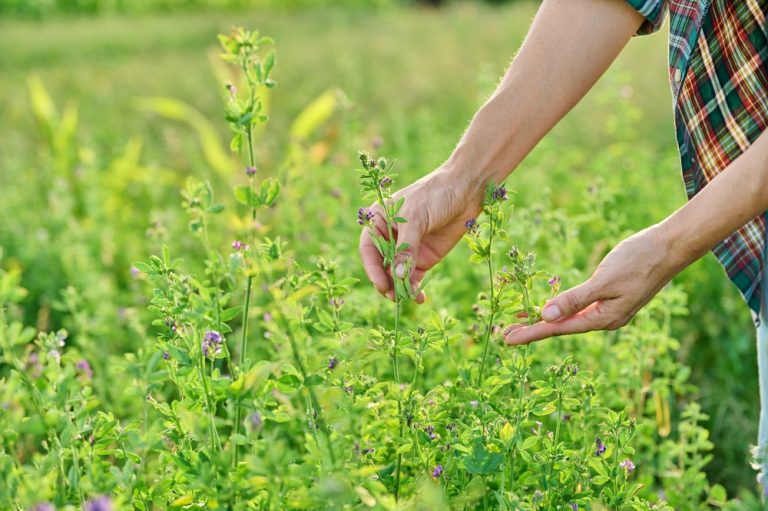
Bad soil is one of the most frustrating problems a gardener can face. You water faithfully, plant lovingly, and hope for miracles—only to end up with stunted plants, sad leaves, and dirt that looks more like construction debris than garden gold. But nature already built a solution, and it doesn’t come in a plastic bag…
organic gardening
Gardening Experts Issue a Warning About Soil Problems Spreading Fast in 2026
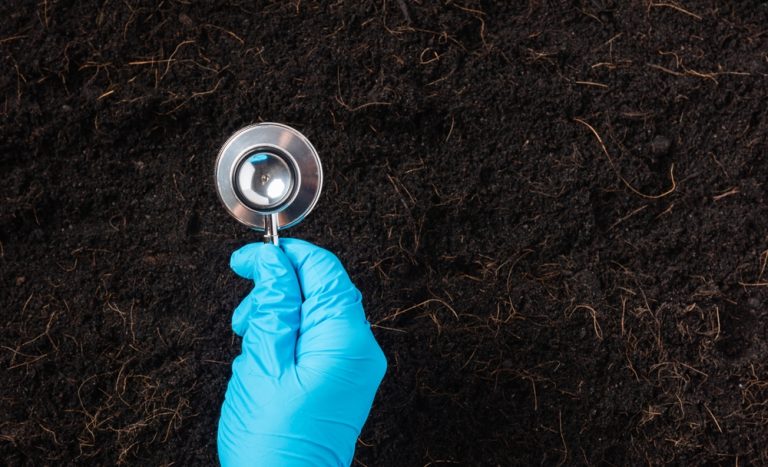
Something strange is happening in gardens, farms, and backyard beds across the country, and seasoned growers are starting to sound the alarm. Plants look healthy one week and suddenly struggle the next, harvests shrink for no obvious reason, and once-reliable soil starts acting like it has a mind of its own. Gardening experts aren’t pointing…
7 Things You Should Never Compost in Winter—Even If You Do in Summer
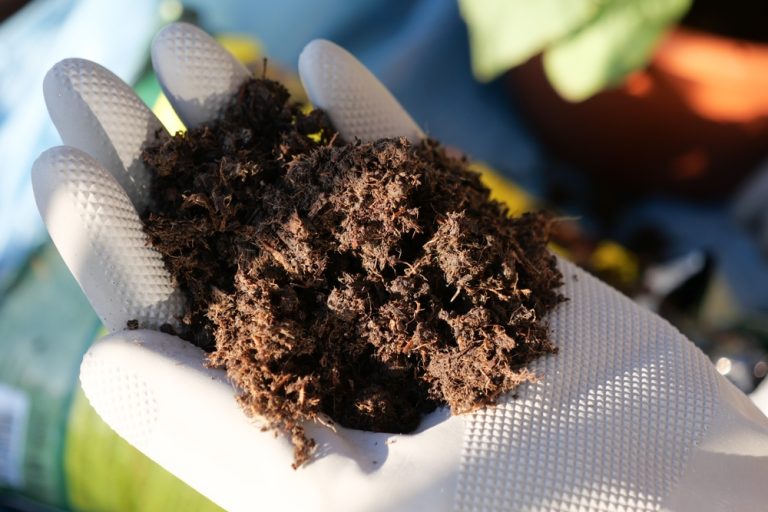
Winter composting can feel like a free pass to toss anything into the pile and “let it sort itself out later.” The problem is that cold slows decomposition, which means the wrong scraps don’t break down—they just sit there and create pests, smells, and springtime headaches. If you want finished compost sooner (and less mess),…
12 Ways to Use Pumpkin Scraps in the Garden
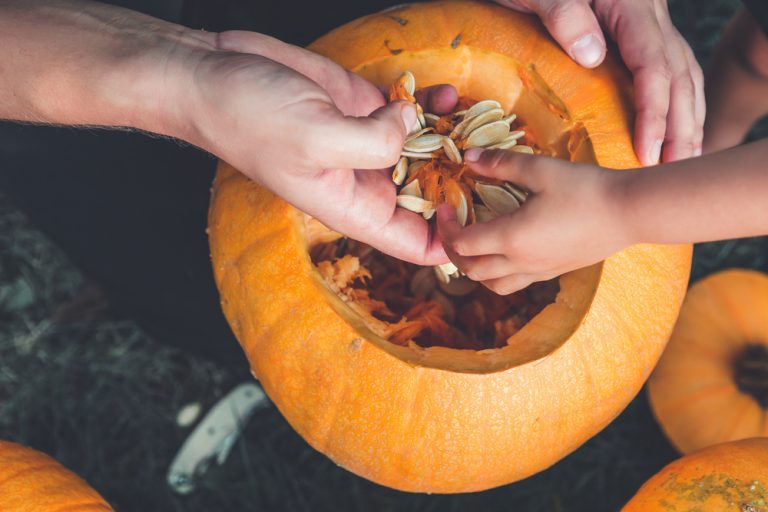
Did you buy pumpkins for Halloween? After they are carved and displayed for the holiday, most pumpkins are tossed in the trash, especially if they start to rot. But gardeners know better. Did you know every part of the pumpkin can be repurposed? You can feed your soil, attract pollinators, or keep pests away in…
7 Cover Crops Every Garden Needs This Season
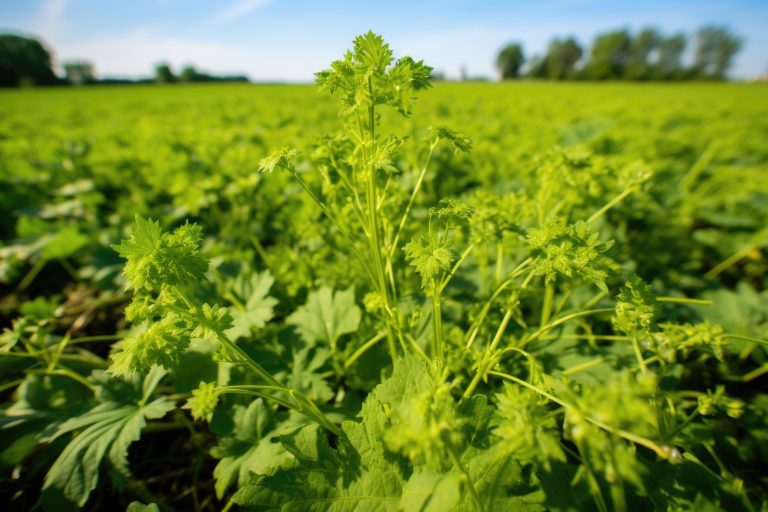
Have you heard of cover crops? While farmers usually use these during the off-season to protect soil, gardeners usually overlook this tool. Healthy soil is the backbone of every thriving garden and cover crops are the secret weapon too many gardeners ignore. These hardworking plants protect against erosion, feed the soil, suppress weeds, and boost…
7 “Natural” Fertilizers That Can Backfire on Your Health
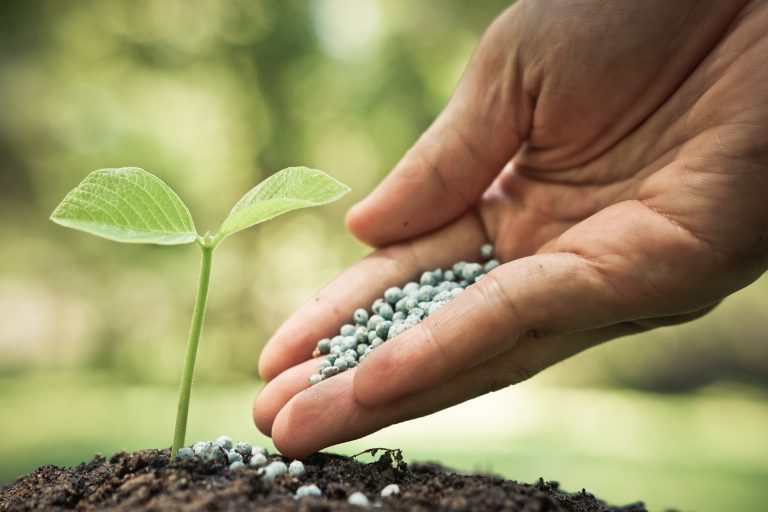
Is your fertilizer a health risk? Gardeners often reach for “natural” fertilizers, thinking they’re automatically safe. After all, if it’s organic or homemade, how harmful could it be? But just because something comes from nature doesn’t mean it’s safe. In fact, some fertilizers labeled as natural can trigger health issues for people and pets, especially…
Top 13 Benefits of Using Rice Hulls in Gardening
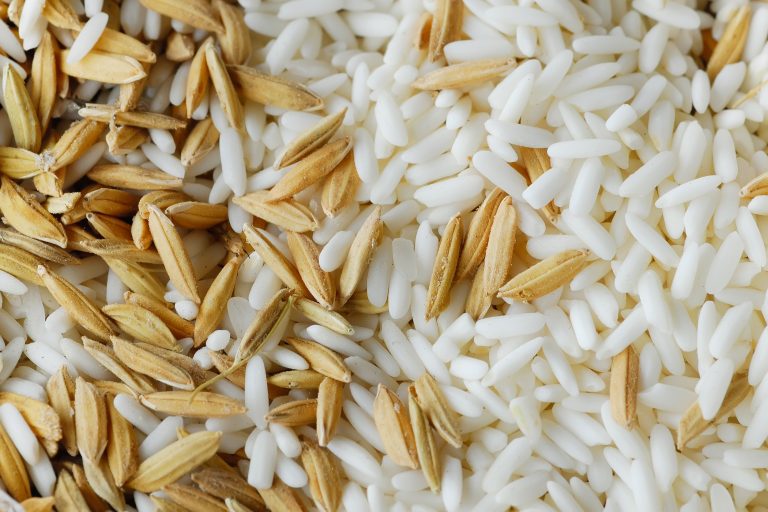
If you’re looking for an affordable, sustainable way to boost your garden’s health, rice hulls might be the secret ingredient you’re missing. These lightweight, all-natural byproducts of rice milling are packed with benefits for home gardeners. With a neutral pH and excellent aeration properties, rice hulls can improve soil structure, drainage, and water retention. They’re…
Enhance Your Garden Naturally with These Top 5 Organic Fertilizers
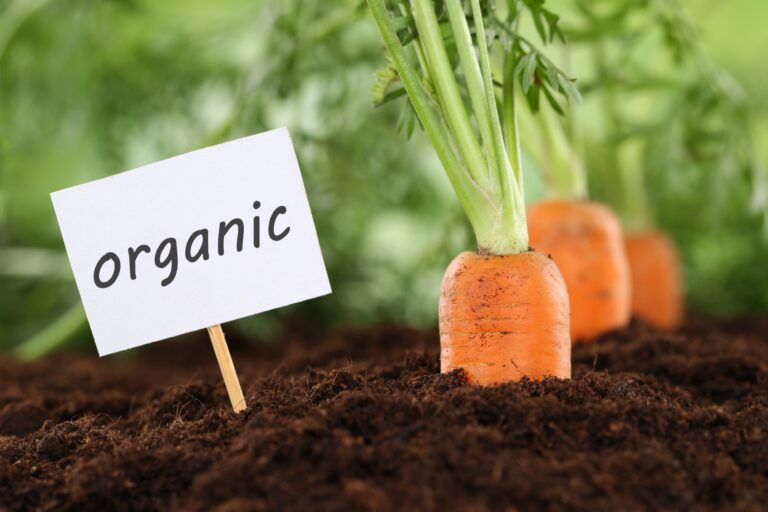
In an era where sustainability and organic living are more than just trends – they’re a lifestyle – the demand for natural garden care solutions is on the rise. For those with a green thumb, turning to organic fertilizers is a step towards nurturing your garden in harmony with nature. These fertilizers not only enrich…
5 Reasons To Use Fish Amino Acid on Your Plants
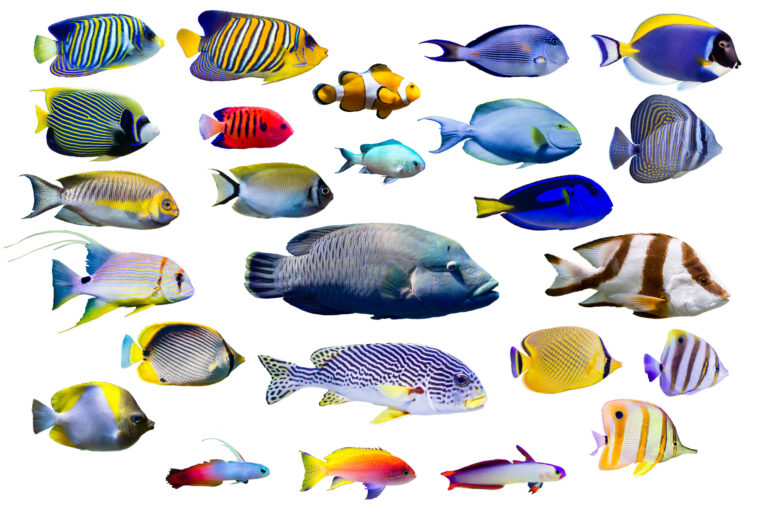
There are so many great reasons to use fish amino acid in your garden. Also known as fish fertilizer, this product provides nutrition to plants in ways that are similar to, but arguably potentially better than, other organic garden fertilizers. There are different types of fish fertilizer and different reasons to use fish amino acid…