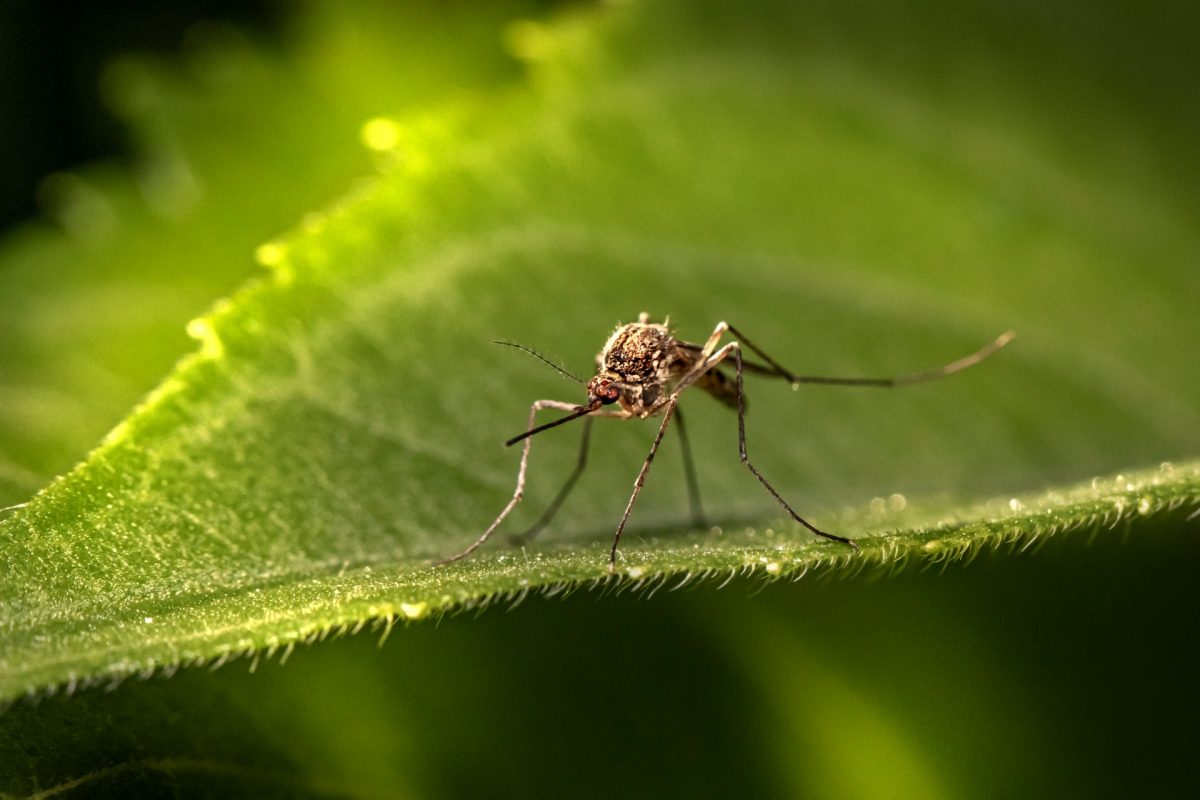
A backyard can quickly turn uncomfortable when mosquitoes start swarming at dusk, but nature offers a surprisingly stylish solution. Certain plants release strong natural oils that confuse, repel, or deter mosquitoes from settling in. Gardeners can strategically place these plants around patios, seating areas, and garden edges for better outdoor comfort. These plants also bring color, fragrance, and texture that elevate any landscape design. Smart planting choices can turn an average yard into a more enjoyable and less itchy retreat.
Mosquitoes rely heavily on scent to find their next target, which gives aromatic plants a real advantage in outdoor defense. Many herbs and flowers contain compounds that mosquitoes dislike, especially when leaves get brushed or disturbed. A well-planned garden uses these natural properties to create invisible barriers without chemicals. Placement matters just as much as plant selection, so thoughtful design pays off.
1. Lavender
Lavender brings a calming fragrance that humans love, but mosquitoes avoid at all costs. The plant produces essential oils that interfere with mosquito scent tracking. Gardeners often place lavender near patios, walkways, and seating areas for maximum effect. Full sun and well-drained soil help lavender produce stronger oils and more flowers. This plant also attracts pollinators, which helps support a healthier garden ecosystem.
2. Lemongrass
Lemongrass contains citronella compounds that directly disrupt mosquito sensory receptors. Many outdoor candles use this same natural oil for repelling insects. Gardeners can grow lemongrass in large containers to control its spread and position it strategically. Warm climates help it grow tall and dense, creating a living barrier around outdoor spaces. Crushing the leaves releases a stronger scent that boosts its mosquito-repelling power.
3. Basil
Basil does more than season food because it also confuses mosquitoes with its strong aroma. This herb produces natural oils that mask human scent trails. Gardeners can place basil pots near doorways and outdoor dining tables for extra protection. Regular pruning encourages new growth and increases scent output. Basil also performs well in containers, making it easy to move where mosquitoes gather most.
4. Mint
Mint spreads quickly and releases a sharp fragrance that mosquitoes find overwhelming. The plant thrives in containers, which helps control its aggressive growth. Crushing mint leaves enhances its scent and increases its repelling effect outdoors. Gardeners often place mint near shaded areas where mosquitoes like to rest. This plant also adds a refreshing scent that improves the entire backyard atmosphere.
5. Rosemary
Rosemary produces a woody aroma that masks human odors and confuses mosquitoes. It grows well in hot, dry conditions and requires minimal maintenance once established. Many gardeners plant rosemary near grills or outdoor kitchens to double its usefulness. Burning small sprigs during outdoor gatherings can boost its mosquito-repelling effect. The plant also adds structure and year-round greenery to garden layouts.
6. Marigolds
Marigolds release a scent that mosquitoes and other pests actively avoid. These bright flowers contain pyrethrum, a natural compound used in many insect repellents. Gardeners often line garden borders with marigolds to create a protective perimeter. Their bold colors also help attract beneficial insects like bees and butterflies. Consistent blooming ensures long-lasting protection throughout warm months.
7. Catnip
Catnip contains nepetalactone, a compound that repels mosquitoes even more effectively than some commercial sprays. The plant grows easily in most soil types and spreads quickly when left unchecked. Gardeners can use pots to keep growth under control while maximizing placement flexibility. Crushing leaves releases a stronger scent that enhances their protective effect. Cats may enjoy it, but mosquitoes strongly avoid it.
8. Citronella Grass
Citronella grass stands as one of the most recognized mosquito-repelling plants in the world. It produces oils that interfere with mosquitoes’ ability to detect humans nearby. Gardeners often plant it in large clusters to form natural scent barriers. Warm, humid conditions help citronella grass grow tall and aromatic. Regular trimming encourages fresh growth and stronger scent release.
9. Sage
Sage releases earthy smoke-like aromas that mosquitoes find highly irritating. Burning dried sage during outdoor gatherings can temporarily reduce mosquito activity. The plant grows well in dry soil and sunny locations with minimal watering needs. Gardeners often place sage near seating areas for easy access during evenings. Its silvery leaves also add visual contrast to garden beds.
Building a Smarter Mosquito-Resistant Backyard
Strategic plant placement creates a natural defense system that reduces mosquito activity without chemicals. Gardeners who mix tall plants like citronella grass with low-growing herbs create layered protection zones. Regular maintenance, such as pruning and leaf brushing, helps release stronger natural oils. Outdoor spaces benefit from combining fragrance, airflow, and plant density in the right balance. A thoughtful layout turns a backyard into a more comfortable and inviting escape.
What plant would you add first to your backyard to help keep mosquitoes away? We want your pest control solutions listed below in our comments!
You May Also Like…
Which Plant Pairings Naturally Reduce Pests and Improve Yields
March Garden Pests That Hide Underground
9 Gardening Mistakes That Attract Mosquitoes to Your Yard
Grow Your Own Medicine Cabinet: Affordable Herbs to Plant This Summer
7 Natural Repellents That Help Keep Insects Away

Brandon Marcus is a staff writer for FrugalGardening.com at District Media, Inc., where he delivers practical gardening advice with a relatable, no-nonsense style. An avid amateur gardener, he holds a BA degree and with over ten years of professional writing experience, he is also an award-winning published author whose first book, Questions For Deep Thinkers, was released by Adams Media. His work has appeared in major publications including Fandom.com, CHUD.com, TheColdWire.com, and Fansided.com.
Leave a Reply