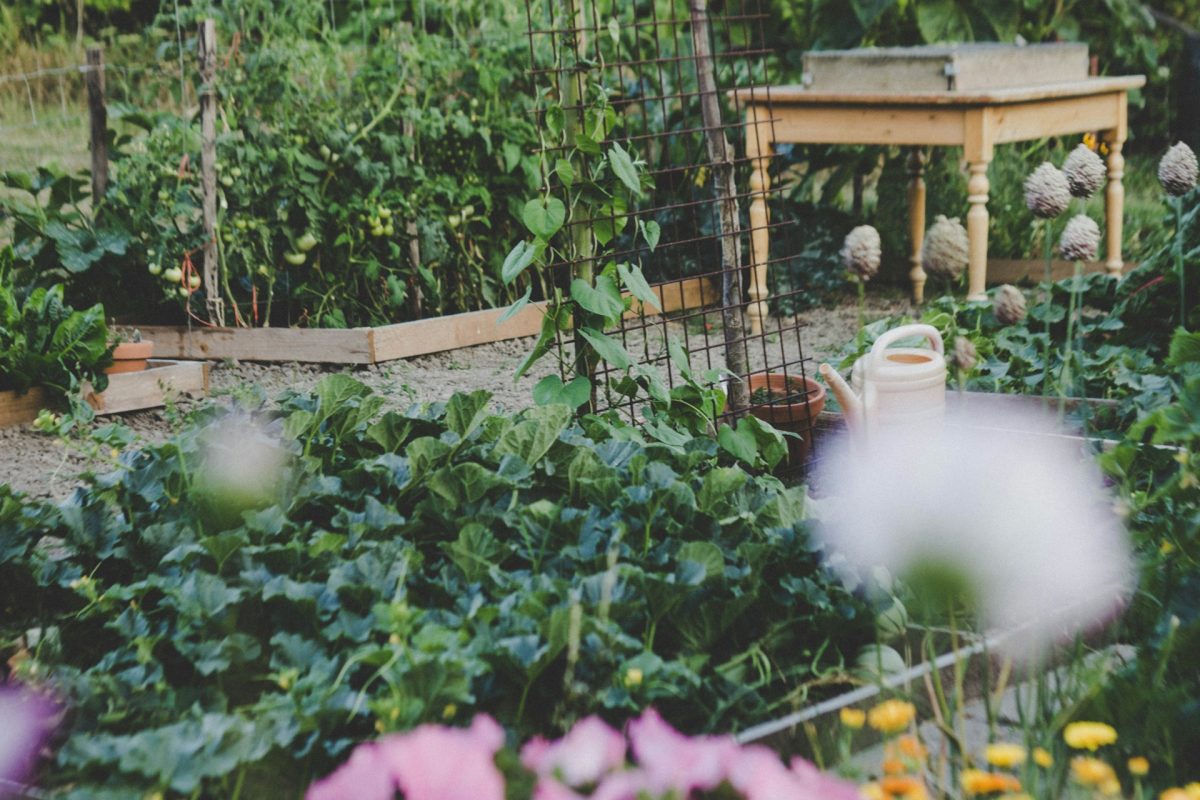
A quiet revolution has started in neighborhoods across America, and it is happening right in front yards, side yards, and backyard fences. Homeowners who once focused solely on decorative plants now mix fruits, vegetables, herbs, and edible flowers into their landscaping plans. The result looks beautiful, produces food, and often cuts grocery bills at the same time.
Edible landscaping has moved far beyond a niche gardening trend. Rising food costs, growing interest in self-sufficiency, and a desire for healthier lifestyles continue to attract new gardeners every year. People no longer see gardens as separate spaces hidden behind the house. Instead, they turn entire landscapes into attractive, productive environments that offer both visual appeal and practical rewards.
A Lawn No Longer Holds the Same Appeal
For decades, the perfectly manicured lawn served as the ultimate symbol of suburban success. Today, many homeowners question whether endless mowing, watering, fertilizing, and maintenance justify the effort and expense. They want outdoor spaces that provide greater value while still looking polished and inviting.
Edible landscapes answer that demand by transforming ordinary yards into living pantries filled with fresh ingredients. A border of blueberry bushes, a row of colorful kale, or a cluster of rosemary plants can create just as much visual interest as traditional ornamental shrubs. These choices add texture, color, and seasonal beauty while supplying food that families can harvest throughout the growing season.
Grocery Prices Are Encouraging Creative Solutions
Food prices remain a major concern for households across the country. Many gardeners discover that even a modest edible landscape can provide fresh herbs, tomatoes, peppers, lettuce, berries, and other produce that would otherwise require frequent trips to the store. The savings often become more noticeable each year as perennial plants mature and produce larger harvests.
A single established blueberry bush can yield pounds of fruit during the season, while herbs such as thyme, oregano, and chives return year after year with minimal care. Homeowners appreciate the convenience of stepping outside to gather ingredients for dinner rather than adding another item to the grocery list. That combination of savings and accessibility continues to drive interest in edible landscaping projects.
Beauty and Food Can Share the Same Space
Many people still picture vegetable gardens as neat rows tucked away in a corner of the yard. Modern edible landscaping breaks that stereotype by blending food-producing plants into attractive designs that rival traditional landscaping. Gardeners now use rainbow chard, purple basil, scarlet runner beans, and edible flowers as visual focal points throughout their outdoor spaces.
Landscape designers increasingly recommend edible plants because they contribute both beauty and function. Dwarf fruit trees create structure, strawberries work as colorful groundcovers, and herbs fill borders with fragrance and texture. The finished landscape often surprises visitors who admire the appearance first and discover the edible features later.
Pollinators Love Edible Landscapes Too
A healthy edible landscape does more than feed people. Flowering herbs, fruit trees, berry bushes, and vegetable blossoms attract bees, butterflies, and other pollinators that support local ecosystems. These beneficial visitors help improve harvests while contributing to the health of nearby gardens and natural areas.
Gardeners frequently notice increased wildlife activity after adding edible plants to their landscapes. Bees flock to flowering herbs, butterflies visit blooming vegetables, and birds often stop by to enjoy berries or seek shelter among diverse plantings. This added ecological value gives homeowners another reason to choose edible landscaping over large expanses of conventional turfgrass.
Beginners Find It Easier Than Expected
One reason edible landscaping continues to gain popularity involves its flexibility. Homeowners do not need large properties or extensive gardening experience to get started. Many successful edible landscapes begin with just a few herb plants near a walkway, a dwarf fruit tree in the front yard, or several vegetable varieties mixed into existing flower beds.
Small projects allow gardeners to build confidence while learning what grows best in their climate. As experience grows, many expand their edible plant selections and experiment with new combinations. The gradual approach removes much of the intimidation that often prevents people from starting traditional vegetable gardens.
The Yard of the Future Produces More Than Beauty
The growing popularity of edible landscapes reflects a broader shift in how Americans view their outdoor spaces. Homeowners increasingly want landscapes that combine beauty, sustainability, practicality, and food production in a single design. Instead of dedicating valuable space solely to appearance, they seek gardens that contribute something useful to everyday life.
What edible plants would you add to your landscape if you decided to replace part of your lawn with a food-producing garden?
You May Also Like…
8 Winter Garden Paving & Path Ideas for Snowy Landscapes
What Experienced Gardeners Wish They Knew Their First Year
10 Vegetables That Practically Grow Themselves
10 Common Gardening Myths That Waste Money
The Root Rot Warning Signs Most Gardeners Miss

Brandon Marcus is a staff writer for FrugalGardening.com at District Media, Inc., where he delivers practical gardening advice with a relatable, no-nonsense style. An avid amateur gardener, he holds a BA degree and with over ten years of professional writing experience, he is also an award-winning published author whose first book, Questions For Deep Thinkers, was released by Adams Media. His work has appeared in major publications including Fandom.com, CHUD.com, TheColdWire.com, and Fansided.com.
Leave a Reply