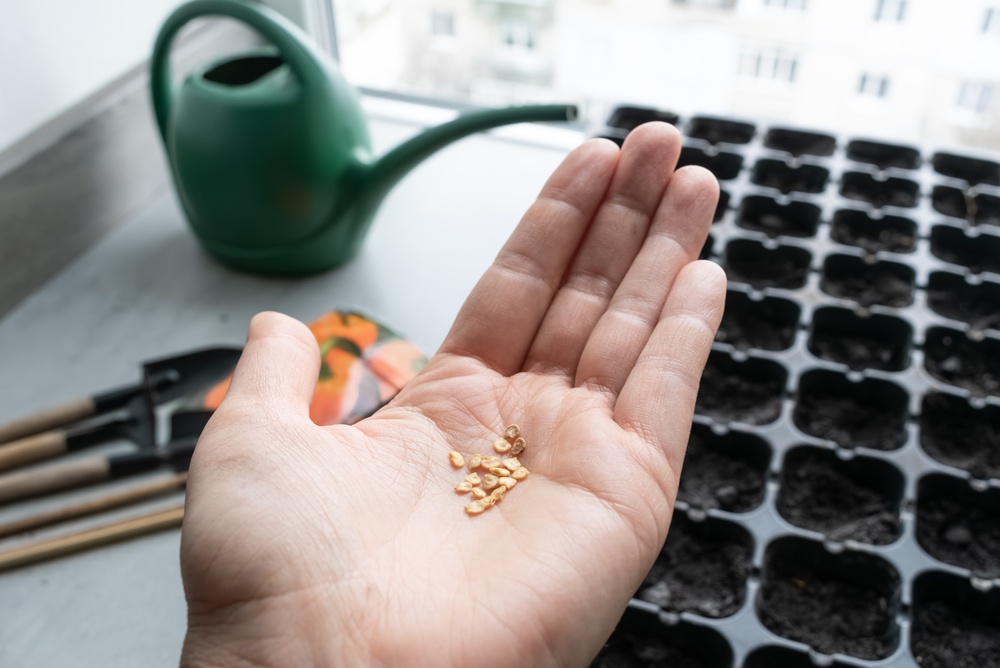
Spring gardens deliver more than fresh vegetables; they also offer a built-in system for future planting. Many gardeners spend money each year on new seed packets without realizing their garden already produces everything needed for next season. Seed saving turns a one-time purchase into a long-term cycle of abundance that reduces costs and increases independence in the garden. Careful harvesting and storage allow gardeners to preserve strong plant genetics adapted to local soil and weather. A simple shift in habits transforms a seasonal garden into a self-sustaining seed source.
This process also adds a deeper connection to the garden because every crop carries potential for the next year. Seed saving does not require advanced tools, only timing, attention, and basic organization. Mistakes can reduce germination rates, but simple methods keep results consistent and reliable. With a few structured techniques, any spring garden can become a seed bank for future harvests.
Why Seed Saving Changes the Whole Garden Game
Seed saving reduces gardening expenses because gardeners stop relying on repeated seed purchases each season. Many commercial seed packs cost more each year, especially for organic or specialty varieties, which makes saving seeds a practical financial strategy. Gardeners also gain control over plant selection by choosing seeds from the strongest and healthiest plants in their garden. This process builds a personalized seed line that adapts over time to local growing conditions.
Seed saving also improves garden resilience because plants gradually adjust to soil quality, rainfall patterns, and temperature swings. Many gardeners notice stronger yields after a few seasons of selecting seeds from well-performing plants. This method also preserves heirloom varieties that store-bought hybrids often replace. A thoughtful seed-saving habit turns every harvest into an investment for future gardens.
Best Spring Crops for Easy Seed Saving
Certain spring crops make seed saving simple because they produce large, easy-to-handle seeds. Beans, peas, lettuce, and radishes offer some of the most beginner-friendly options for new seed savers. These crops allow seeds to fully mature on the plant before gardeners collect them. Dry seed heads make harvesting straightforward and reduce the need for complicated processing steps.
Tomatoes, cucumbers, and peppers also provide excellent seed-saving opportunities, although they require extra steps before storage. These crops contain wet seeds that need cleaning and fermentation to remove pulp and prevent mold growth. Gardeners often choose these crops because they produce high yields and strong flavor profiles. A balanced seed-saving plan includes both dry and wet seed crops for variety and reliability.
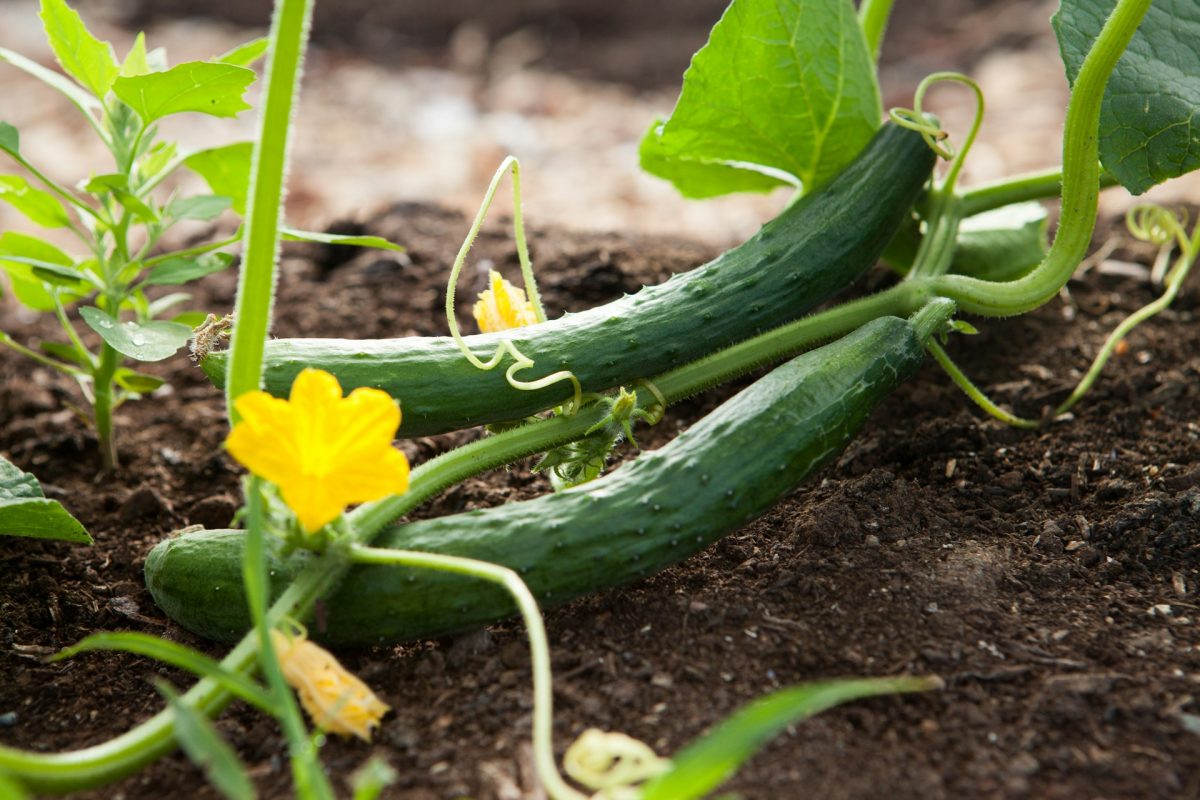
Harvesting Dry Seeds Without Complications
Dry-seeded crops like beans and lettuce offer the easiest starting point for seed saving. Gardeners wait until pods or seed heads turn brown and feel crisp before collecting them. Picking too early leads to weak seeds that fail to sprout in future planting seasons. Careful timing ensures strong germination rates and reliable growth cycles.
After harvesting, gardeners break open pods or seed heads and remove the seeds by hand. They then spread seeds across a dry surface where airflow helps remove any remaining moisture. Clean seeds reduce the risk of mold and improve long-term storage success. This simple process builds confidence and sets a strong foundation for more advanced seed-saving techniques.
Handling Wet Seeds From Juicy Crops
Tomatoes and cucumbers require fermentation to separate seeds from pulp and natural gel coatings. Gardeners scoop seeds into a jar, add a small amount of water, and allow the mixture to sit for several days. Natural fermentation breaks down the gel and causes viable seeds to sink while weaker seeds float. Stirring the mixture once or twice during this process helps improve separation.
After fermentation, gardeners rinse seeds thoroughly using a fine mesh strainer. Clean seeds dry faster and resist mold during storage. Pepper seeds follow a simpler process because gardeners can remove them directly from the fruit and rinse them clean. These wet-seed methods ensure high-quality planting material for the next growing season.
Drying and Curing Seeds the Right Way
Proper drying protects seed viability and prevents spoilage during storage. Gardeners spread seeds on paper towels, screens, or ceramic plates where air circulates freely. Direct sunlight damages seeds, so shaded, well-ventilated spaces work best. Patience during this stage ensures strong results in the next planting cycle.
Curing continues after surface drying because seeds still hold internal moisture. Gardeners leave seeds undisturbed for one to two weeks before packaging them. This extra time strengthens seed longevity and improves germination rates. Rushing this step often leads to disappointing results in the garden.
Smart Storage Methods That Protect Your Work
Storage conditions determine how long seeds remain usable and productive. Gardeners store dried seeds in airtight containers such as glass jars, paper envelopes, or sealed tins. Cool, dark spaces like basements or cupboards help maintain seed quality over time. Heat and humidity reduce seed life, so careful placement matters as much as drying.
Labeling also plays a major role in successful seed saving. Gardeners write crop type, variety, and harvest date on each container to avoid confusion later. Organized storage prevents mix-ups during planting season and keeps older seeds from going unused. A well-labeled seed collection turns into a reliable garden resource year after year.
Mistakes That Can Ruin a Seed Bank
Many gardeners lose seed quality by harvesting too early or skipping proper drying steps. Immature seeds often fail to germinate, which wastes time and effort in the next season. Mixing seed varieties without labels also creates confusion and leads to unpredictable plant growth. Careful attention during each step prevents these common setbacks.
Another common mistake involves storing seeds in warm or damp environments. These conditions shorten seed life and increase mold risk. Gardeners who treat seed storage like food preservation often achieve better long-term results. Strong habits during harvesting, drying, and storage create a dependable seed supply for years.
From One Garden to Many Seasons Ahead
Seed saving transforms a simple garden into a long-term growing system that reduces costs and increases independence. Each season feeds the next when gardeners select strong plants and store seeds with care. This process also encourages a deeper awareness of plant cycles and seasonal rhythms. Over time, gardens become more productive and better adapted to local conditions.
What seed-saving tricks have worked best in your garden, and which crops have surprised you the most? Give us your thoughts in the comments below.
You May Also Like…
7 Quick-Germinating Seeds That Deliver Fast Results
Why Seeds Fail to Sprout Even in Ideal Conditions
Why Cheap Seeds Can Sometimes Cost You More in the Long Run
The Local Library Secret: How to Get Your Seeds for Free This Year
Why Smart Gardeners Buy Seeds in Bulk (And How to Store Them for Decades)

Brandon Marcus is a staff writer for FrugalGardening.com at District Media, Inc., where he delivers practical gardening advice with a relatable, no-nonsense style. An avid amateur gardener, he holds a BA degree and with over ten years of professional writing experience, he is also an award-winning published author whose first book, Questions For Deep Thinkers, was released by Adams Media. His work has appeared in major publications including Fandom.com, CHUD.com, TheColdWire.com, and Fansided.com.
Leave a Reply