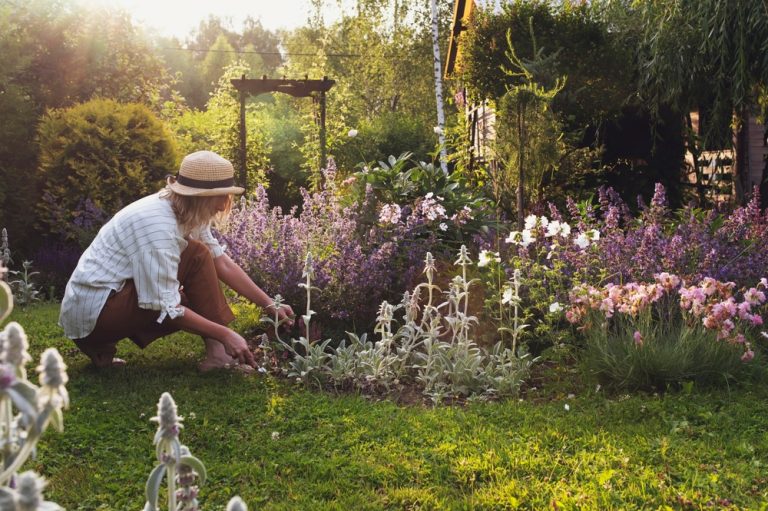
Winter damage often starts long before the first snowflake falls, which makes late summer a surprisingly important time to inspect the garden. A cracked branch, dry root zone, loose stake, or forgotten hose can turn into a much bigger headache once freezing temperatures arrive. A little detective work now can spare plants from unnecessary stress…
gardening
Where Can Gardeners Find Free Mulch in Late Summer?
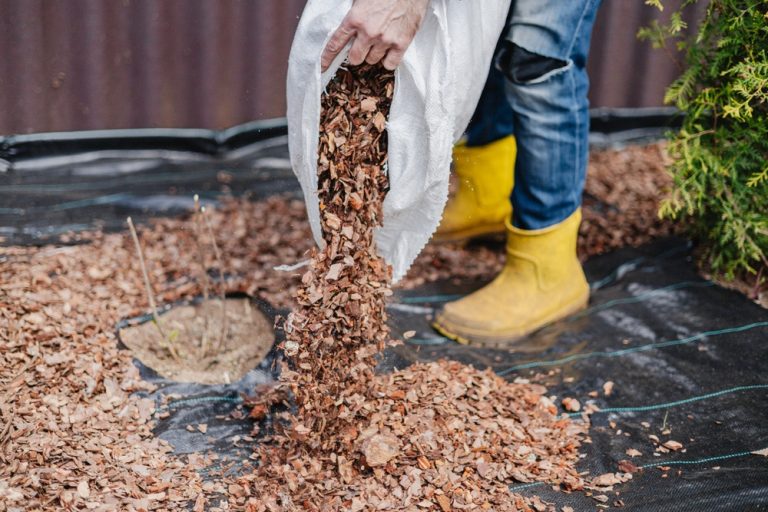
Late summer can make a garden look a little parched around the edges, and fresh mulch can help without making the garden budget groan. Fortunately, gardeners do not always need to visit a garden center and pay for a stack of neatly bagged material. Tree crews, municipalities, neighbors, compost sites, and even the lawn mower…
Why Are Gardeners Experimenting With In-and-Out Plants?
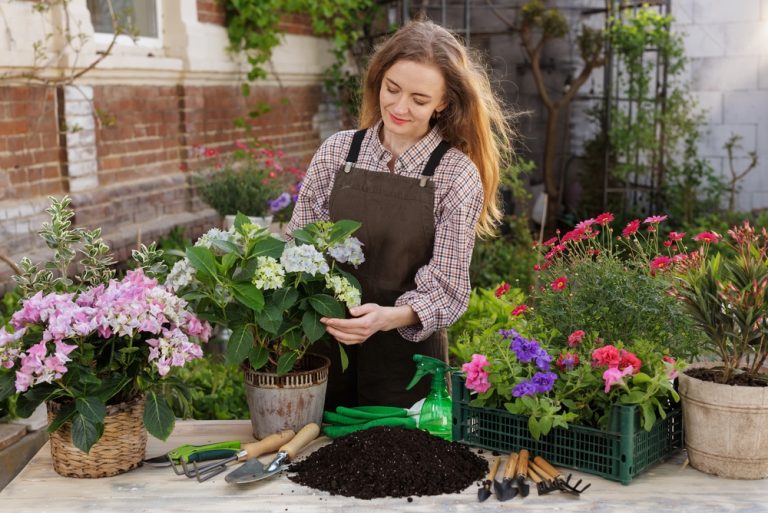
The old gardening rulebook says outdoor plants belong outside and houseplants belong inside, but plenty of gardeners now enjoy bending that rule. An “in-and-out plant” can spend part of the year outdoors soaking up natural light and fresh air, then move indoors when temperatures, frost, or harsh weather create trouble. This approach gives gardeners another…
7 Red Flags That an Online Seed Listing May Be a Scam
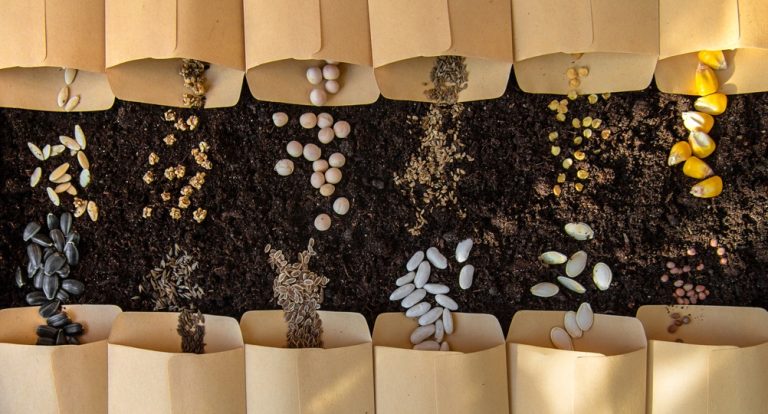
A packet of seeds can look like a tiny promise in an envelope, especially when the listing shows a rose with rainbow petals, a sunflower shaped like a teddy bear, or a flower that appears to glow from the inside. The problem starts when that gorgeous picture has more to do with artificial intelligence than…
Should You Add Compost Before Planting Spring Bulbs?
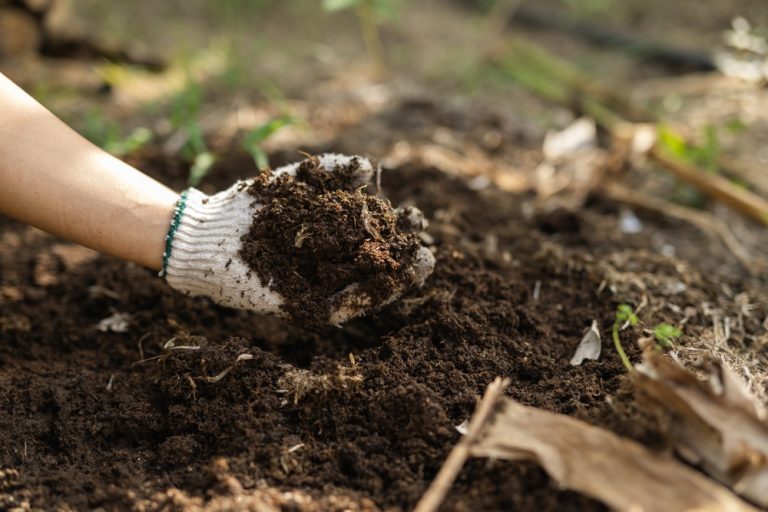
Spring bulbs bring a little seasonal magic to the garden, but getting them into the ground involves more than digging a hole and dropping them in. If compost sits nearby, it can look like an obvious helper, especially when the soil looks tired, compacted, or generally unimpressed with its gardening assignment. The good news is…
7 Ways to Make a Garden More Useful After Sunset
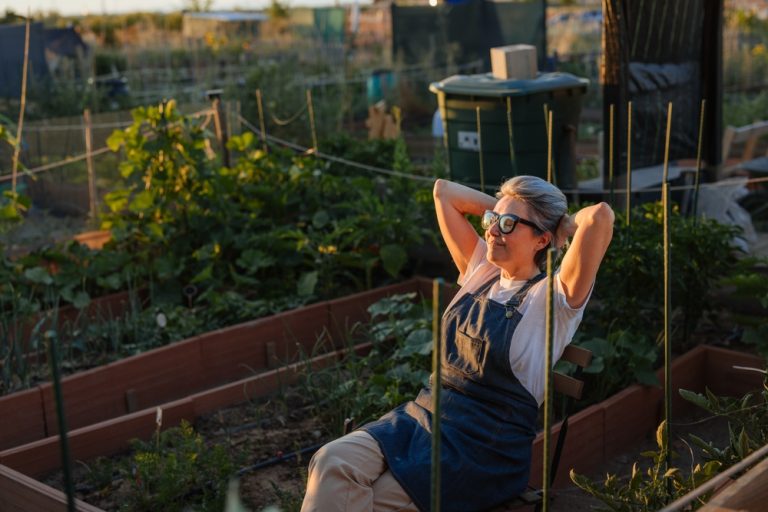
A garden does not have to clock out when the sun disappears. With a few smart additions, the same patch of soil that produces tomatoes, flowers, herbs, and leafy greens during the day can become a comfortable place to relax, entertain, cook, or simply enjoy the cooler evening air. The trick involves designing for nighttime…
What Should You Do When Ground Cherries Fall Before Ripening?
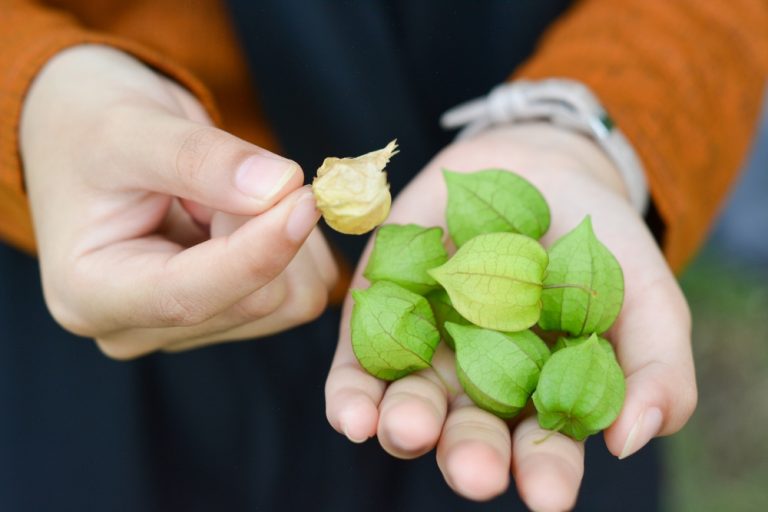
Ground cherries have one wonderfully strange harvest signal: they fall off the plant when they ripen. But when those little papery husks hit the soil while the fruit inside still looks green, the garden suddenly feels like it has changed the rules halfway through the game. The good news is that a few early drops…
6 Crops That Can Be Blanched for Better Flavor
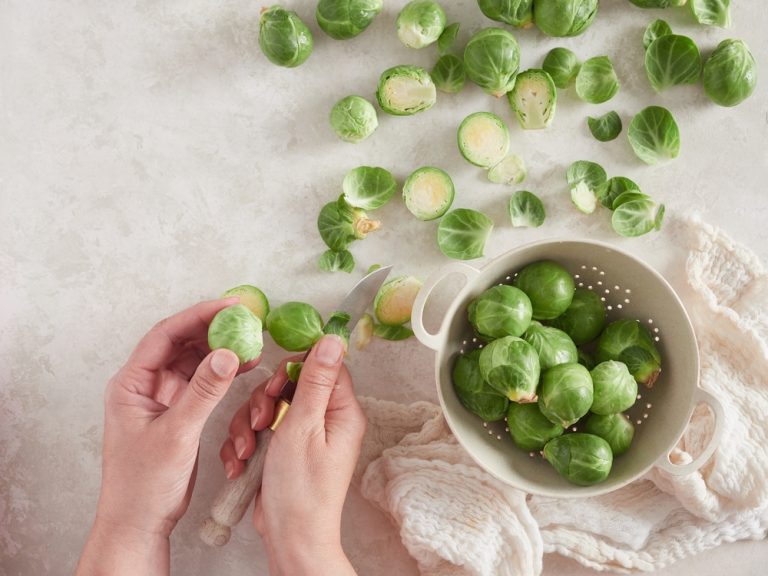
Blanching does more than prepare vegetables for the freezer. A quick dip in boiling water can soften harsh flavors, tame bitterness, loosen tough textures, and make certain garden vegetables taste noticeably more pleasant at the table. It sounds like a small cooking trick, but the difference can be surprisingly dramatic. The key lies in timing….
Snakes in the Garden Aren’t Always Bad — Here’s When You Should Be Concerned
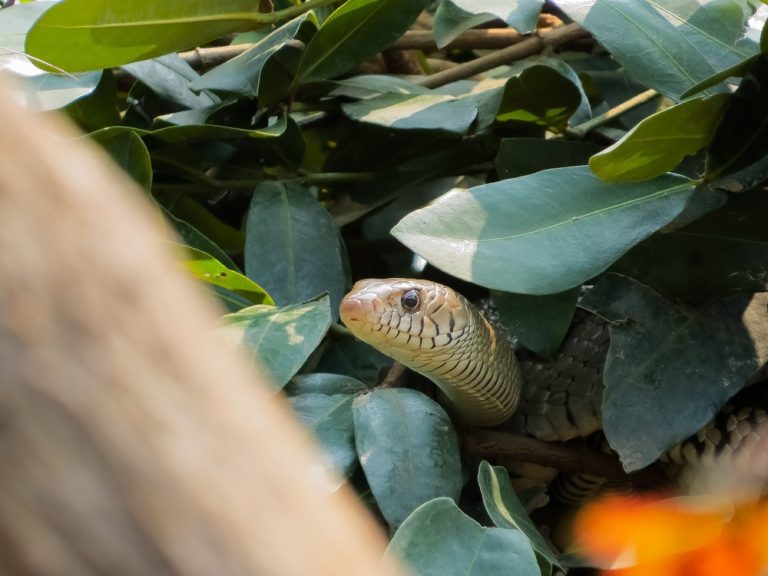
A snake sliding through the garden can turn a peaceful morning of tomato picking into a full-blown staring contest. But before grabbing a shovel or sprinting for the shed, take a breath: many snakes provide useful pest control by eating mice, voles, insects, frogs, and other small animals. In fact, some gardeners have a perfectly…
His HOA Approved His Front-Yard Food Forest — Then a New Board Fined Him $750
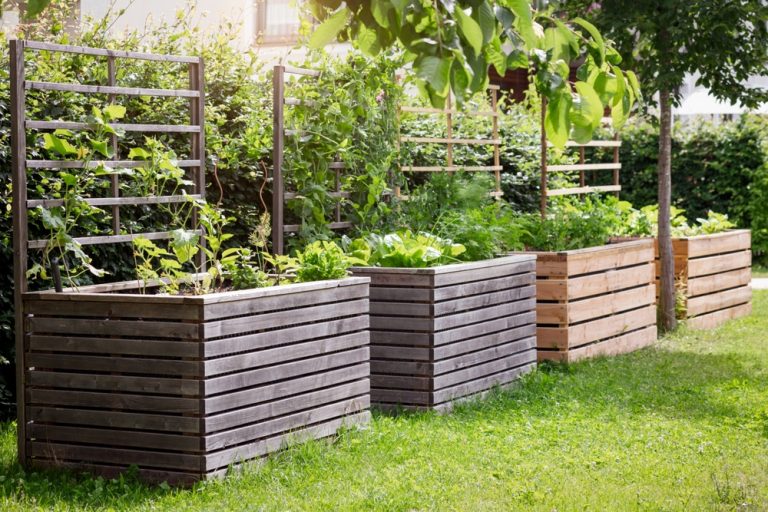
A front yard usually comes with an unspoken suburban assignment: grass, a few shrubs, maybe a tree that behaves itself. Michael Sherman of Chino, California, had a different idea, turning his lawn into a productive food forest filled with passionfruit, radishes, calendulas, sunflowers, aloe vera, Swiss chard and banana trees. His HOA initially approved the…