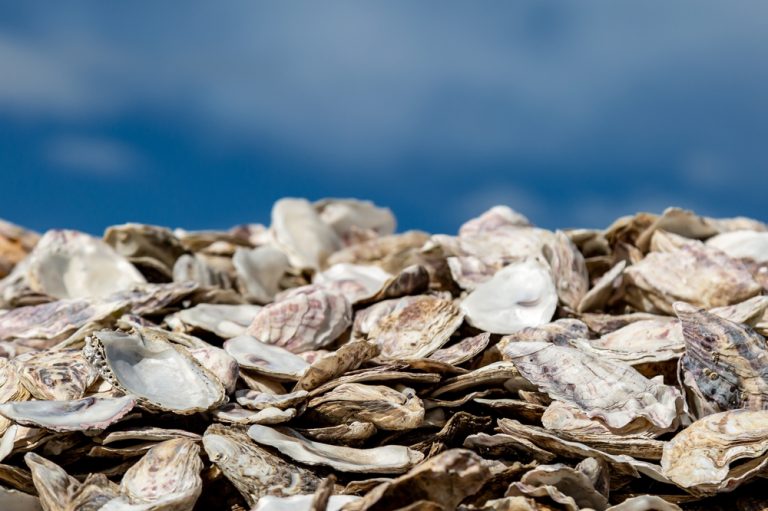
Crushed oyster shells can help garden soil, but they work more like a slow-moving soil amendment than a magical garden cure-all. Because oyster shells contain calcium carbonate, they can add calcium while gradually raising the pH of acidic soil, much like agricultural limestone. That makes those leftover shells more interesting than they look after dinner….
gardening
Is It Safe to Compost Plants With Powdery Mildew?
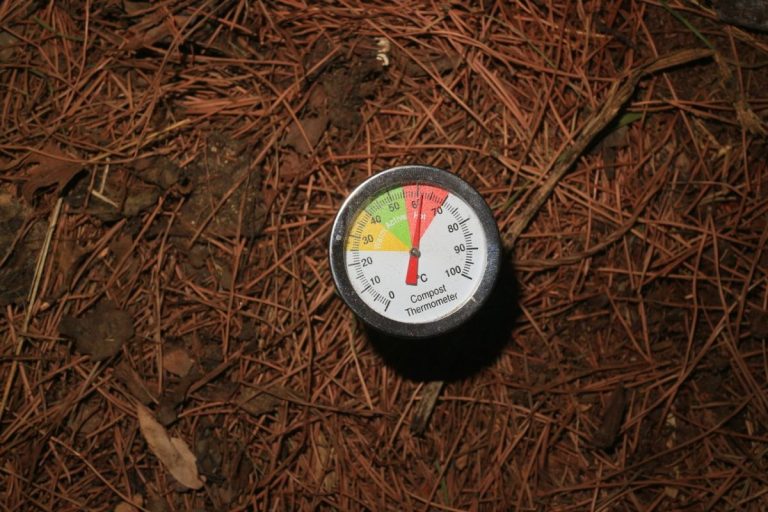
Powdery mildew can make a perfectly respectable garden plant look as though someone dusted it with flour. The good news: gardeners do not automatically need to ban every mildew-spotted leaf from the compost pile, but the answer depends heavily on how hot and active that pile gets. A casual backyard heap that slowly decomposes presents…
What Should You Do With Cornstalks Before They Turn Brittle?
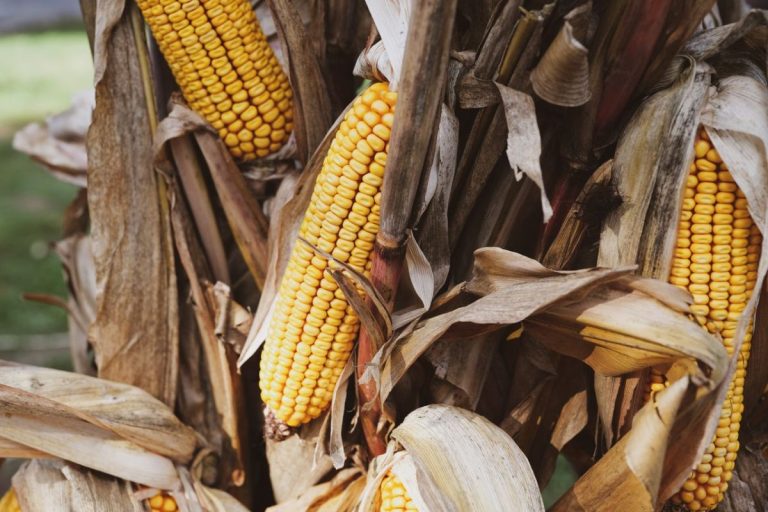
Cornstalks look impressive for about five minutes after the last ears come off. Then they start turning into a towering collection of dry leaves, tough stems, and garden debris that somehow seems determined to make cleanup harder. The smartest time to deal with corn plants comes before those stalks become completely dry and brittle, because…
6 Crops That Benefit From Cooler Nights More Than Cooler Days

Some garden crops do not need the daytime temperature to drop much to appreciate relief. They simply want the sun to clock out, the air to cool down, and the garden to get a little breathing room. For certain warm-season vegetables and fruits, cooler nights can support flowering, fruit development, flavor, and overall plant performance…
5 Plants That Can Fill Gaps Left by Tired Annuals
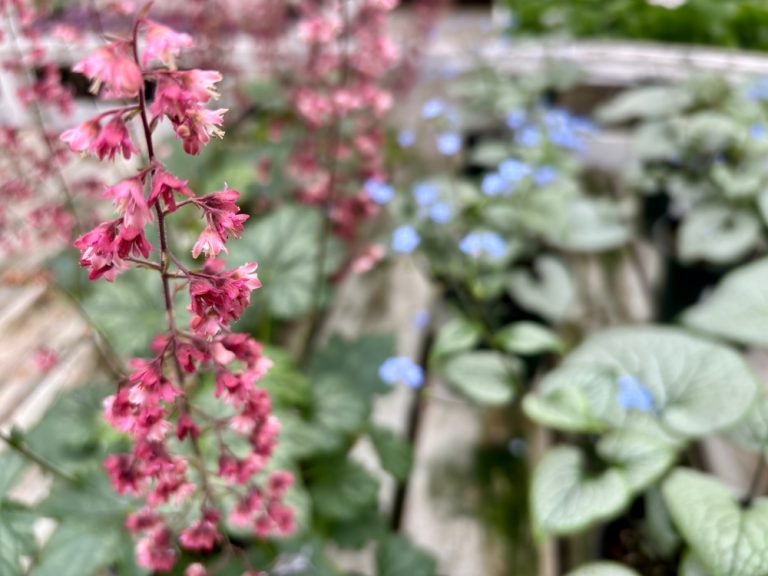
By late summer, some annuals look less like garden stars and more like they need a vacation. Petunias stretch, marigolds lose their swagger, and once-lush containers can develop suspicious-looking bare spots that seem to appear overnight. Instead of automatically buying another flat of annuals, gardeners can tuck in plants that offer lasting foliage, flowers, texture,…
5 Ways to Reduce Plant Losses During Late-Summer Travel
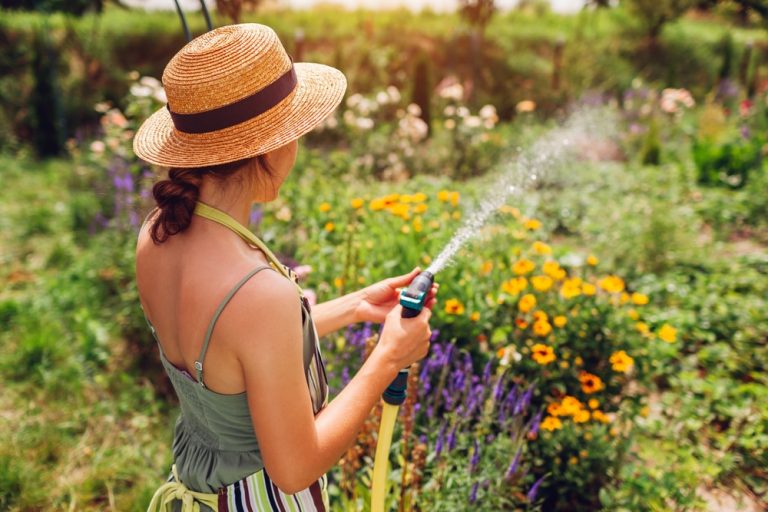
Late-summer travel can create a surprisingly awkward problem for gardeners: the suitcase gets packed, the itinerary looks fantastic, and the tomato plants remain at home silently wondering who will handle their hydration. A few days without attention can stress containers, newly planted shrubs, vegetables, hanging baskets, and thirsty houseplants, especially when heat and wind accelerate…
What Should You Do When Peaches Ripen All at Once?

Peaches have a spectacular talent for creating a very specific kind of gardening panic: producing a mountain of gorgeous fruit at exactly the same time. One afternoon, the tree looks ordinary, and a few days later, the branches seem to have joined a conspiracy against the household refrigerator. The good news is that an overflowing…
7 Frugal Garden Projects to Finish Before Daylight Shrinks
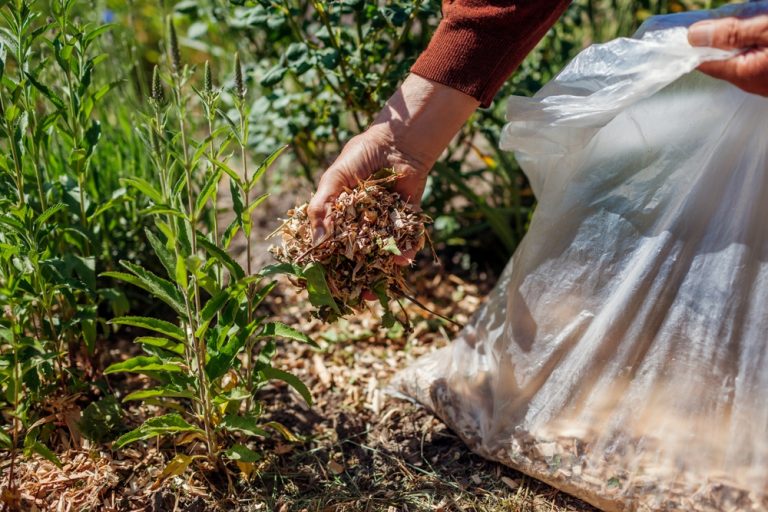
Summer has a sneaky way of making the garden feel endless. Then one afternoon arrives when dinner somehow needs to happen before the sun disappears, and suddenly every unfinished garden chore starts waving from across the yard. Thankfully, several worthwhile projects cost little or nothing, and finishing them now can make next season easier, cheaper,…
Why Are Gardeners Adding Fire-Safe Planting Zones Around Homes?
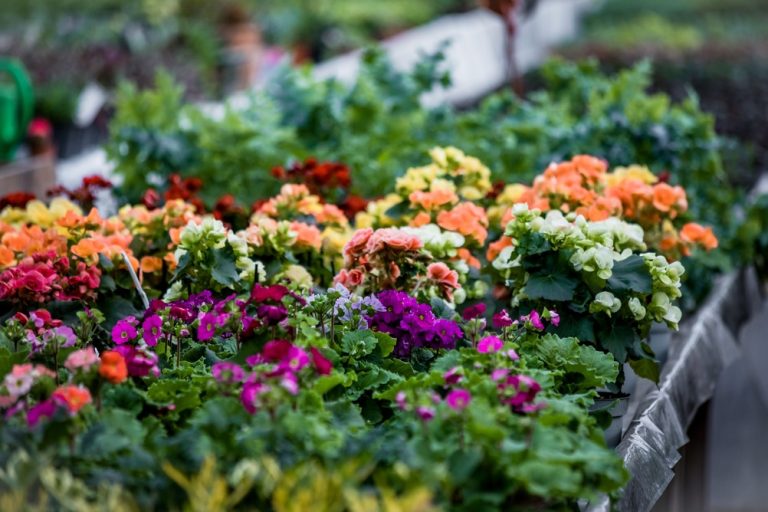
A beautiful garden can do more than frame a front door, attract pollinators, or produce a heroic pile of tomatoes. Increasingly, gardeners are designing fire-safe planting zones around homes, creating intentional spaces that reduce the amount of combustible vegetation and debris sitting close to structures. The goal is not to turn a yard into a…
6 Gutter-Free Ways to Catch Rainwater From a Garden Shed
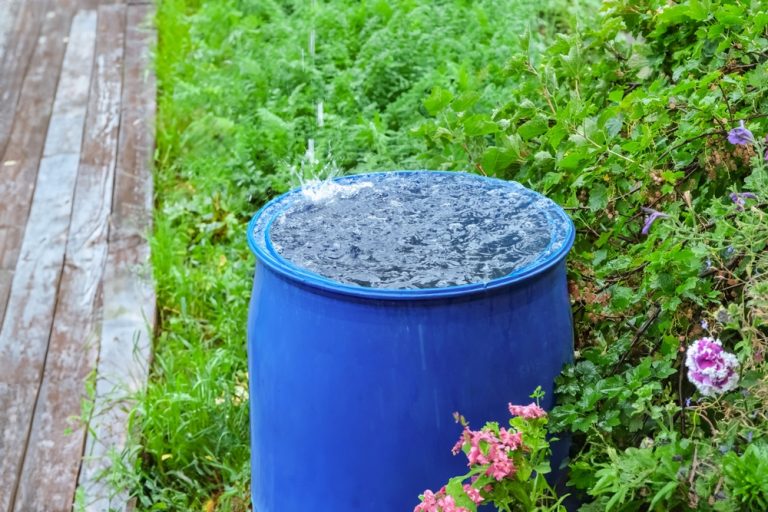
A garden shed roof can quietly collect a surprising amount of free water, but that does not mean the shed needs a full gutter system. With a few clever additions, gardeners can guide roof runoff into barrels, buckets, storage tanks, or even directly toward thirsty garden beds. The trick involves controlling where the water lands…