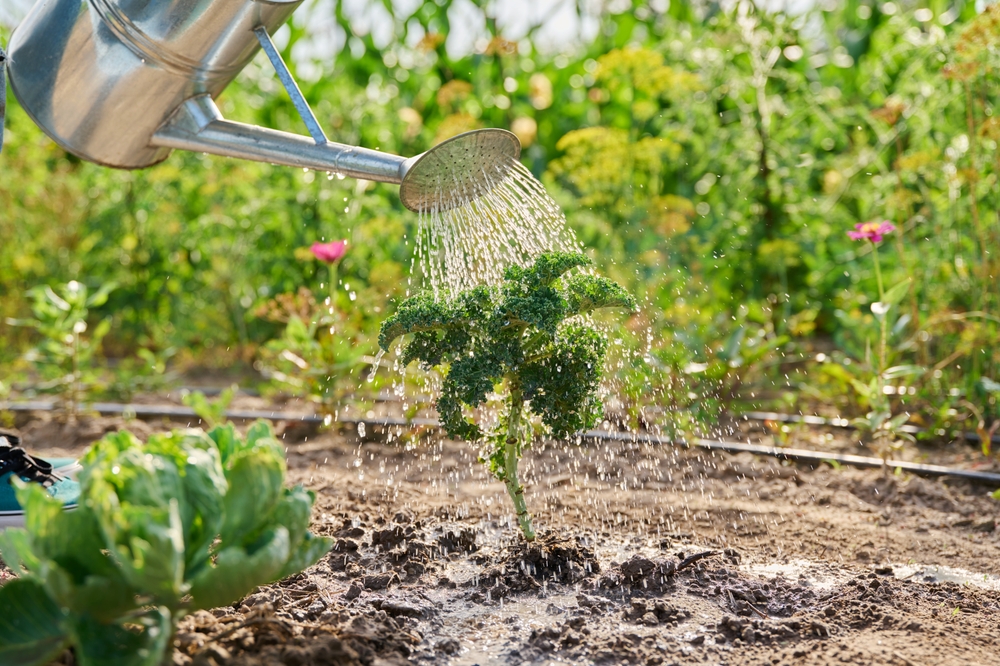
Soggy soil can turn the dream of a thriving garden into a mud-filled nightmare. Every plant struggles when water lingers too long, roots suffocate, and the risk of rot skyrockets. Fixing drainage doesn’t have to drain your wallet or require heavy machinery. Small, smart adjustments to soil and water flow can transform a struggling patch into a lush, productive garden space. With creativity and effort, even the most waterlogged areas can bloom with life again.
The right drainage solutions balance practicality with budget-friendly methods, proving that you don’t need a professional landscaper to solve serious water issues. From adjusting soil texture to redirecting water with clever DIY structures, improving drainage is a project that pays off season after season. Learning the techniques to handle puddles and pooling water early saves frustration later, keeps plants healthy, and even prevents larger structural issues around your garden or yard.
Turn Soil Into A Water Magnet-Controller
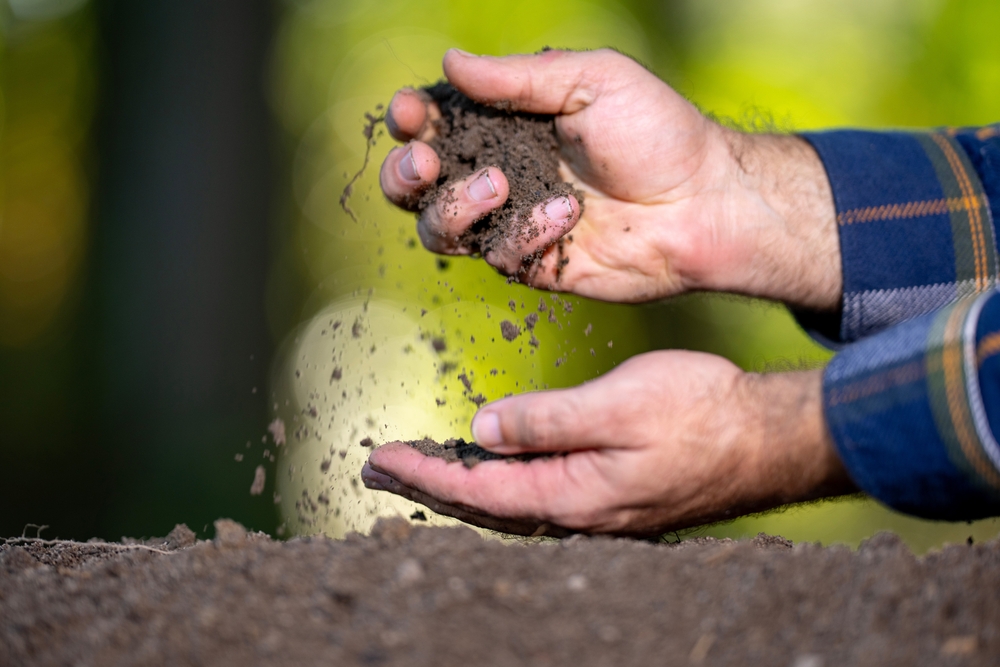
Heavy clay soil is the villain behind most drainage problems, holding water like a sponge and suffocating roots. Breaking it up with amendments can be transformative. Mixing in organic matter like compost, shredded leaves, or well-rotted manure loosens dense soil, improves aeration, and boosts nutrient content simultaneously. Sand also works in moderation, though too much creates a gritty, unstable mix. The goal is a balance that allows water to pass through while keeping enough moisture for plants to thrive.
Raised beds provide another layer of control over water flow. By elevating planting areas, excess water naturally drains away, reducing root rot and puddling. Even a few inches of elevation can change a section of yard from swampy to workable. Combining raised beds with amended soil gives plants the perfect growing medium while saving money on professional grading. Proper soil preparation upfront makes every other drainage strategy more effective and keeps plants healthier in the long run.
Channel Water Like A Garden Architect
Diverting water before it pools is a key step in low-cost drainage solutions. Simple swales—shallow, gently sloping channels—guide runoff toward desired areas like lawns, flower beds, or even storm drains. Positioning them along natural slopes takes advantage of gravity without expensive excavation. Swales also prevent erosion by slowing water movement and spreading it evenly, protecting soil structure and plant roots alike.
French drains, while sounding intimidating, don’t have to break the bank. A trench filled with gravel and a perforated pipe can redirect water away from problem areas efficiently. Line the trench with inexpensive landscape fabric to prevent clogging, then cover with soil and plants for a seamless look. Even small versions handle significant water, and building them yourself can save thousands compared with hiring a contractor. Thinking like a water architect transforms puddles into purposeful flow paths that benefit the entire garden.
Plant Strategically For Drainage Success
Plants themselves can be allies in the battle against soggy soil. Deep-rooted species like ornamental grasses, daylilies, and certain shrubs naturally channel water downward, improving soil structure over time. Choosing native plants adapted to local moisture conditions increases success while reducing maintenance. Strategically placing plants in low spots encourages water absorption without manual labor.
Layering plantings also helps. Groundcovers stabilize soil and reduce surface runoff, while taller plants intercept rainfall and slow its descent. Even small interventions, like redirecting rainwater to these “absorbing zones,” reduce standing water in other areas. Properly planned planting not only improves drainage but adds visual appeal, making the garden both functional and beautiful. Over time, plant roots act as natural drainage assistants, supporting every other DIY strategy in place.
Mulch Your Way To Moisture Control
Mulching might seem like a cosmetic fix, but it significantly impacts drainage and soil health. Organic mulches like bark, straw, or wood chips create a protective layer that slows surface water, encourages percolation, and prevents soil compaction. Mulch also helps regulate temperature and provides nutrients as it decomposes, creating a healthier environment for plants and microorganisms alike.
Strategically applied mulch reduces splashing and erosion, particularly on slopes or in areas where water tends to collect. Layer thickness matters: too thin and it won’t hold water; too thick and it may retain excess moisture. Aim for an even, consistent layer that allows water to penetrate while protecting soil structure. Mulching is an inexpensive, low-effort approach that reinforces other drainage improvements, proving that simple steps often yield the best results.
Reuse Materials For Clever DIY Solutions
Old bricks, gravel, broken pottery, and even repurposed containers can become drainage aids around the garden. Filling low spots with gravel or broken materials creates mini-drains that accelerate water movement and prevent puddling. Stacking bricks or stones around planters adds both visual interest and practical runoff control. Creativity here saves money and reduces waste.
Even gutters and downspouts can be repurposed to move water away from problem areas. Directing runoff into gravel-filled trenches, rain barrels, or low garden areas keeps excess water from accumulating where it shouldn’t. Using materials already on hand reduces the need for expensive supplies and allows for flexible, adaptable drainage solutions. DIY ingenuity often surpasses costly commercial products in both cost-effectiveness and satisfaction.
Check Slopes And Contours Early
Understanding how water naturally moves across a property is critical. Slopes, dips, and high spots determine where water collects and which areas require intervention. Simple observation after a heavy rain provides valuable insights, revealing low points that need attention and high points that naturally shed water. Marking these areas helps plan all other drainage improvements effectively.
Minor grading adjustments, even a few inches, can dramatically improve water flow. Using inexpensive tools like a level, string, and stakes, it’s possible to shape soil contours to direct water away from vulnerable spots. Preventing pooling before it starts saves effort and money later. A garden that respects its natural contours works with water instead of fighting it, making maintenance easier and drainage more reliable.
Monitor And Maintain Over Time
Even the best drainage strategies require attention to remain effective. Soil compaction, settling, or plant growth can alter water flow over time, leading to new problem areas. Periodically checking key spots, loosening soil, replacing mulch, or adjusting channels ensures solutions continue to perform. Maintenance keeps plants healthy and protects structural improvements like raised beds or French drains.
Regular observation also allows for incremental adjustments that prevent major overhauls. Small fixes now save large expenditures later, and maintaining a proactive approach reduces frustration. Making drainage a regular part of garden care transforms it from a headache into a manageable, even enjoyable, task. Gardens thrive when attention meets strategy, keeping water moving efficiently and plants flourishing.
Craft A Garden That Laughs At Water
Proper drainage doesn’t require expensive machinery or complicated plans. By combining soil amendments, smart planting, clever DIY channels, and consistent maintenance, every garden can handle heavy rain without turning into a swamp. Budget-conscious solutions can be both effective and satisfying, letting gardeners see tangible results for minimal investment.
Creative strategies not only protect plants but make the space more engaging, encouraging experimentation and problem-solving. Each small improvement reinforces the others, producing a harmonious system that balances beauty with practicality.
What’s been the most surprising or inventive way water has been tamed in a garden? Give us your experiences, hacks, or questions in the comments and spark a conversation with others tackling the same challenge.
You May Also Like…
This DIY Cold Frame Design Is Collapsing Under Snow — And Causing Injuries
8 Tips For Designing Your Garden For Efficiency
Signs Your Garden Has a Drainage Problem
9 Reasons Your Raised Beds Drain Worse in Winter and the Fix
Why Some Seeds Don’t Germinate

Brandon Marcus is a staff writer for FrugalGardening.com at District Media, Inc., where he delivers practical gardening advice with a relatable, no-nonsense style. An avid amateur gardener, he holds a BA degree and with over ten years of professional writing experience, he is also an award-winning published author whose first book, Questions For Deep Thinkers, was released by Adams Media. His work has appeared in major publications including Fandom.com, CHUD.com, TheColdWire.com, and Fansided.com.
Leave a Reply