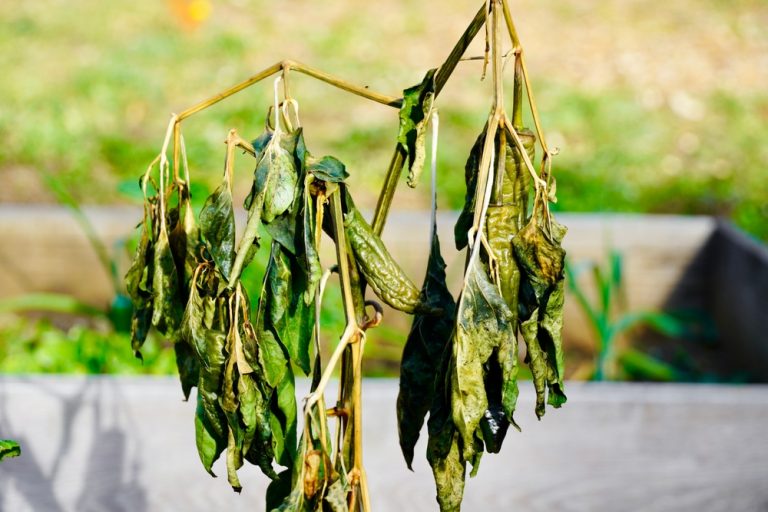
Gardens rarely fail overnight, yet many plants slowly lose their spark without any obvious warning. One week everything looks lush, and a few weeks later growth stalls, leaves fade, and harvests disappoint. Nutrient imbalances often sit at the center of this slow decline, quietly reshaping how plants develop from root to tip. Once the soil…
gardening
Why Early Growth Doesn’t Always Lead to Strong Yields
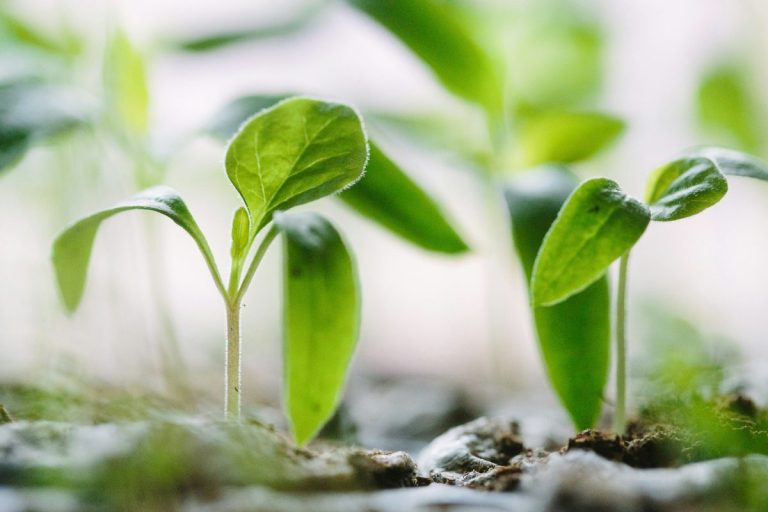
Early growth often tricks gardeners into celebrating too soon. A bed of tall seedlings or fast-spreading leaves can look like a win, yet the harvest later tells a different story. Many growers notice this gap between early excitement and final production, especially in vegetables like tomatoes, peppers, and squash. Plants can shoot upward quickly when…
The Fertilizer Timing Rule Most People Get Wrong
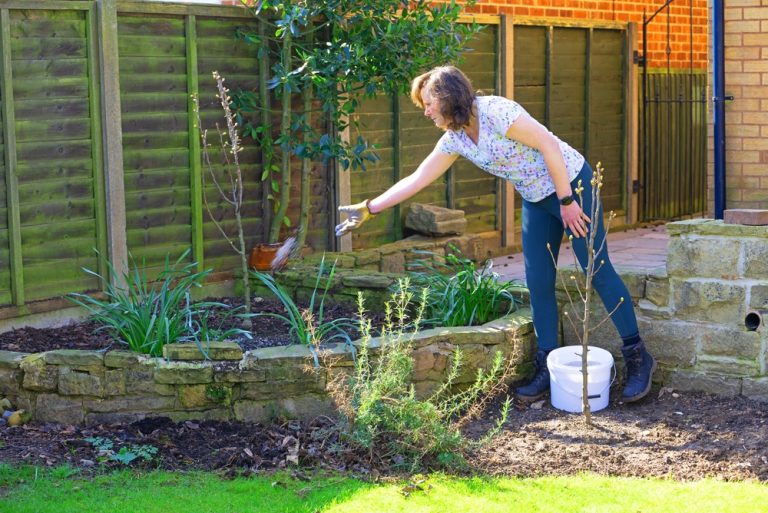
Garden centers start stacking fertilizer bags the second winter loosens its grip, and eager gardeners rush to feed everything in sight. Bright green packaging promises giant tomatoes, explosive blooms, and lawns thick enough to lose a rake in. Unfortunately, timing matters far more than most people realize, and dumping fertilizer onto sleepy plants often backfires…
7 Long-Term Growers That Return Year After Year
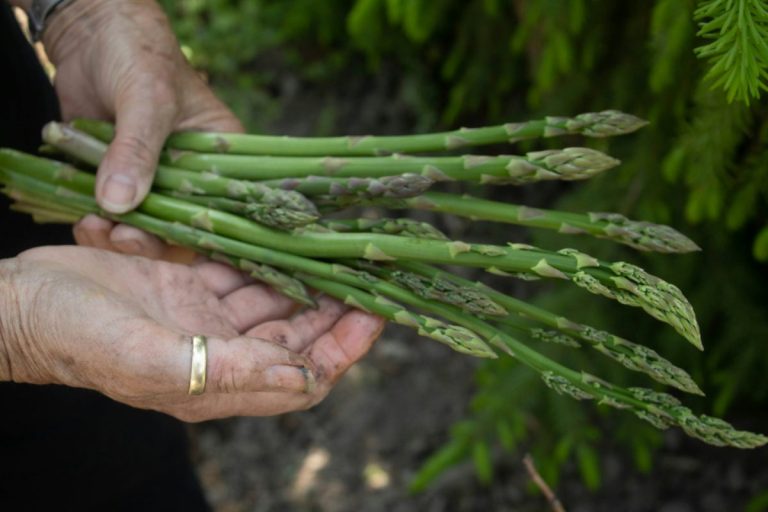
A garden packed with long-term growers feels like the gift that keeps on giving. Instead of replanting every spring and crossing fingers during every heat wave, smart gardeners rely on crops that come back stronger each season with less fuss and more rewards. These dependable plants save money at the grocery store, cut down on…
7 Quick-Germinating Seeds That Deliver Fast Results
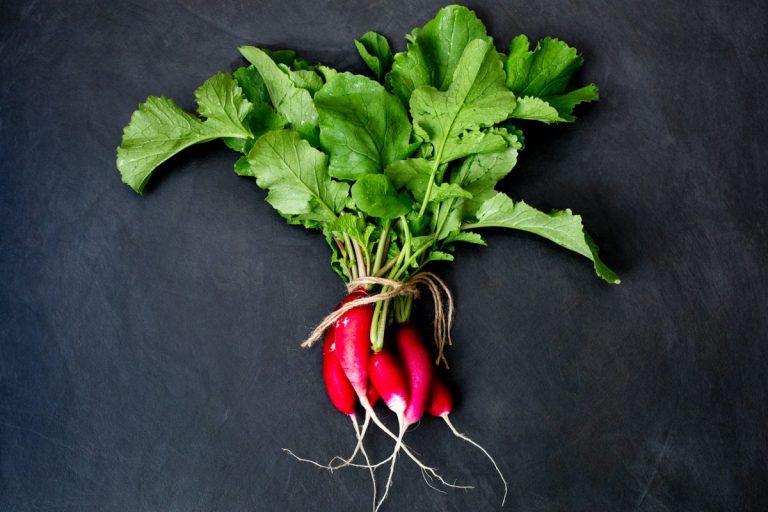
Nothing tests a gardener’s patience quite like staring at a patch of dirt that refuses to do anything exciting. Some seeds crawl out of the ground at a snail’s pace, while others burst into action so quickly they practically throw a party in the garden bed. Fast-germinating seeds bring instant gratification, which explains why experienced…
The Early Heat Stress Problem in Young Gardens
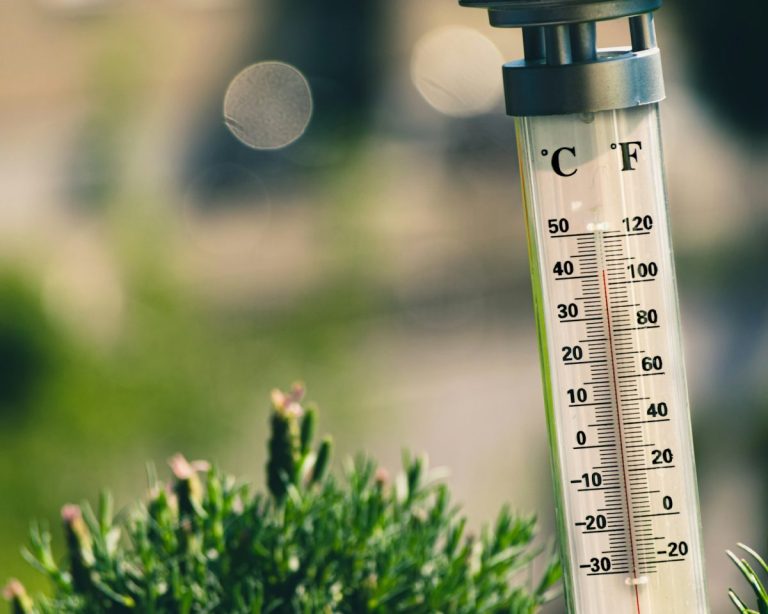
Spring used to ease gardeners into summer with mild mornings and gentle afternoon sunshine, but recent years have tossed that old playbook right into the compost bin. Sudden heat spikes now slam into brand-new gardens before tomatoes settle in, before peppers toughen up, and before tender roots stretch deep enough to find moisture. Young plants…
Why Weeds Take Over Faster Than Crops in Spring
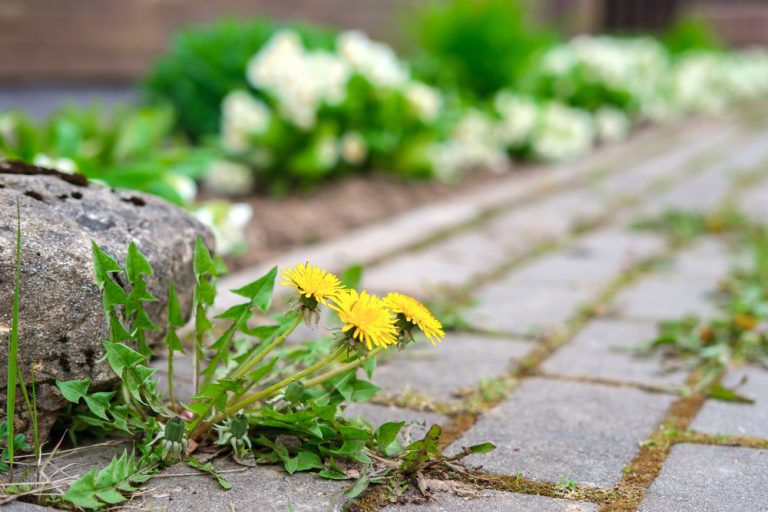
The first warm stretch of spring weather flips a switch in the garden, and weeds sprint out of the ground like they trained all winter for the Olympics. Tiny green invaders appear in flower beds, vegetable rows, sidewalk cracks, and even that one corner nobody watered last year. Meanwhile, tomatoes still sulk in cool soil…
5 Proven Gardening Shortcuts That Save Time
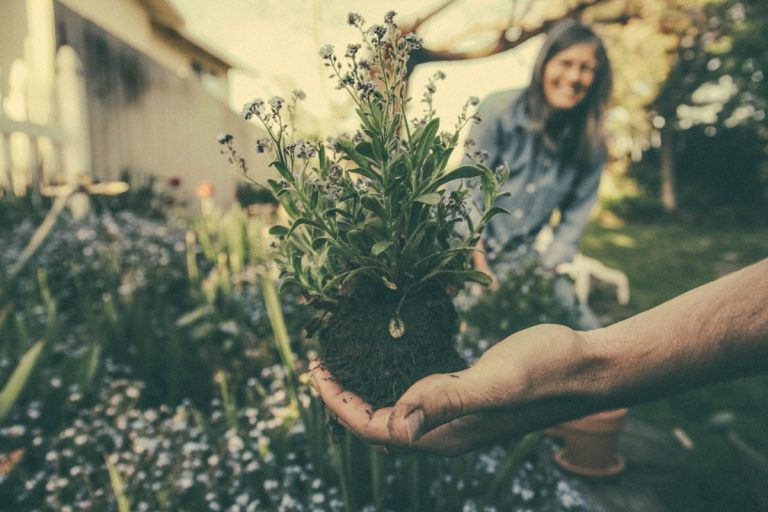
A gorgeous garden doesn’t require endless weekends spent hauling hoses, pulling weeds, and crawling around flower beds with aching knees. Smart gardeners know a simple truth: the secret to a thriving yard often comes down to working smarter instead of harder. The best gardens across America rarely succeed because someone spends every waking hour tending…
5 Indicators Your Soil Needs Nutrient Support
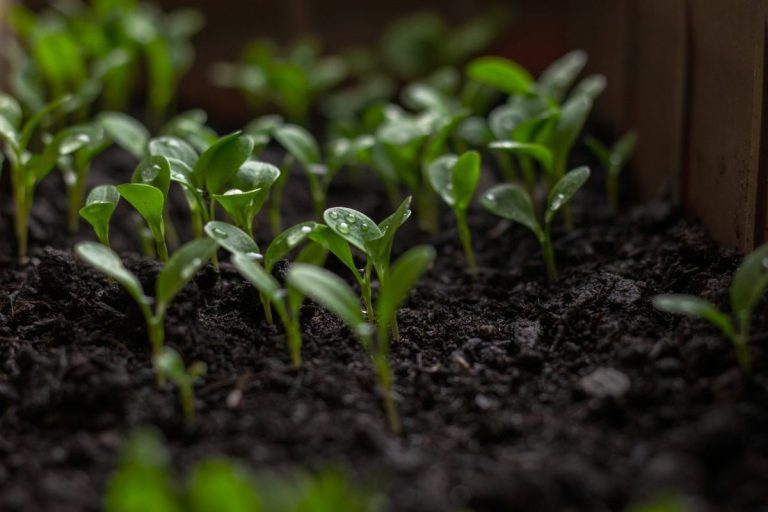
A thriving garden rarely happens by accident. Healthy tomatoes, vibrant flowers, crisp lettuce, and lush lawns all depend on one thing hiding beneath the surface: nutrient-rich soil. When soil loses balance, plants start sending distress signals fast, and many gardeners mistake those symptoms for pests, bad weather, or poor watering habits. The dirt itself often…
5 Natural Fertilizing Methods That Actually Work
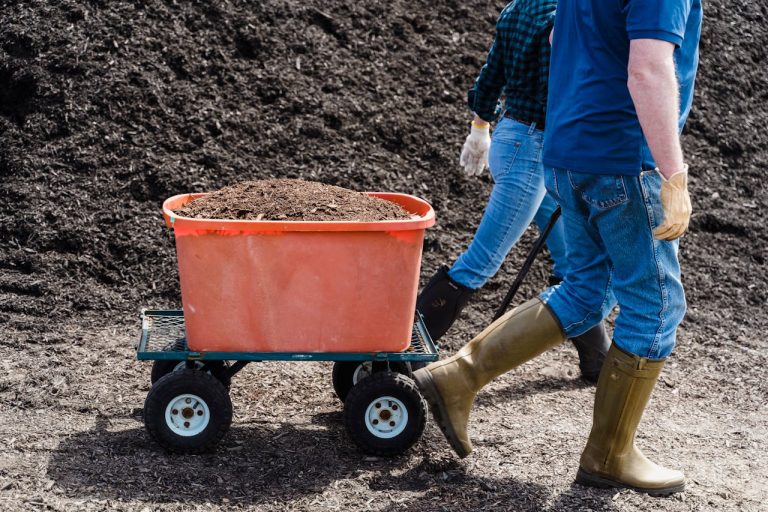
Your garden does not have to rely on expensive chemicals or complicated formulas. The real secret often hides in everyday kitchen scraps, yard waste, and simple habits that gardeners have used for generations. Plants respond best when soil stays alive, rich, and full of organic goodness. That is where natural fertilizing methods step in and…