A garden packed with long-term growers feels like the gift that keeps on giving. Instead of replanting every spring and crossing fingers during every heat wave, smart gardeners rely on crops that come back stronger each season with less fuss and more rewards. These dependable plants save money at the grocery store, cut down on yard work, and turn ordinary backyards into productive little food factories. Some of them keep producing for decades once they settle into the soil. That kind of staying power makes annual vegetables look a little needy by comparison.
Perennial crops also bring serious value to American households dealing with rising food prices and unpredictable weather. A single established asparagus bed can produce for 15 to 20 years, while blueberry bushes often keep fruiting for half a century with proper care. Gardeners in states from Michigan to Georgia use these plants to build reliable harvests without constantly starting from scratch.
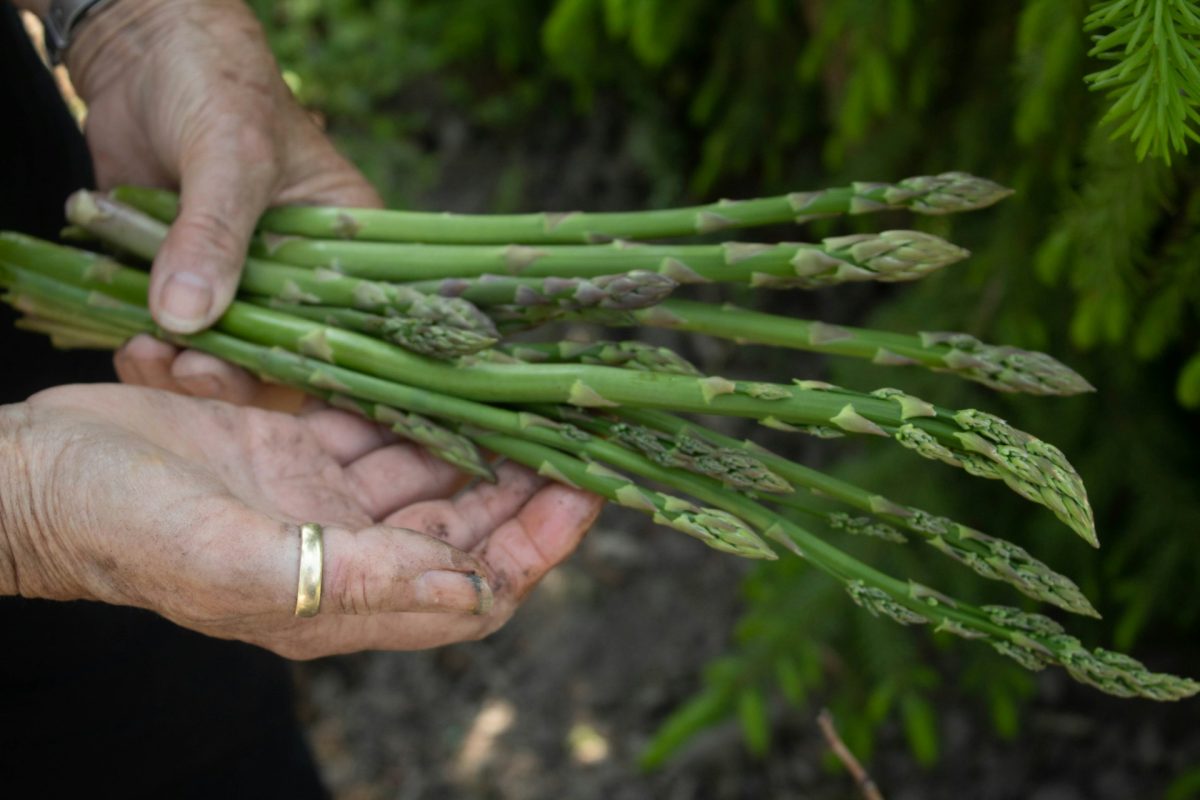
1. Asparagus Turns Patience Into a Payday
Asparagus demands patience during the first couple of years, but that patience pays off like a winning lottery ticket in gardening terms. Healthy asparagus crowns usually start producing lightly in year two and then explode with harvests for up to two decades afterward. Gardeners often joke that asparagus rewards whoever owns the house next because the plant settles in slowly and then suddenly acts like the star athlete of the garden. Thick green spears pop up early in spring when grocery store produce still looks tired and overpriced. Once established, asparagus handles cold winters remarkably well across much of the United States and needs surprisingly little maintenance beyond occasional weeding and feeding.
Location matters tremendously because asparagus hates soggy roots and crowded conditions. Most experienced gardeners build raised rows or loosen soil deeply before planting crowns about 12 inches apart. Mulching heavily helps keep weeds from turning the patch into a jungle during summer. Gardeners who resist overharvesting during the early years usually enjoy larger, healthier spears later on. Few homegrown vegetables taste sweeter than asparagus picked minutes before dinner hits the grill.
2. Rhubarb Brings Big Flavor and Bigger Personality
Rhubarb looks like celery after spending a summer lifting weights, and it delivers serious personality in the garden. The giant leaves and ruby-red stalks return every spring with dramatic energy while many other plants still hide underground. Rhubarb thrives in colder regions including the Midwest and Northeast, where freezing winters actually help fuel stronger growth. One healthy plant can produce harvests for 10 years or more without much drama. Gardeners often pass rhubarb crowns down through generations like treasured family recipes.
Those tart stalks create unforgettable pies, crisps, jams, and sauces that scream classic comfort food. Rhubarb also packs surprising nutritional value because it contains vitamin K, antioxidants, and fiber while staying low in calories. The leaves remain toxic and should never end up on the dinner table, but the stalks earn legendary status in home kitchens every spring. Established plants tolerate occasional neglect better than many fussy vegetables. A little compost each year keeps rhubarb happy enough to produce mountains of stalks season after season.
3. Blueberries Reward Gardeners With Decades of Fruit
Blueberry bushes combine beauty and productivity better than almost any edible plant in the yard. Spring flowers attract pollinators, summer berries disappear into pancakes and smoothies, and fiery red fall foliage steals the spotlight before winter arrives. Mature bushes can produce fruit for 30 to 50 years under the right conditions. That kind of long-term payoff explains why so many gardeners treat blueberries like backyard investments. Few things beat walking outside with a coffee mug and eating fresh berries straight off the bush.
Blueberries do require acidic soil, and that detail trips up many beginners. Garden centers often sell simple soil test kits that help gardeners avoid disappointing harvests later. Mulching with pine bark or pine needles helps maintain the lower pH blueberries crave. Planting at least two varieties usually improves pollination and boosts berry production dramatically. Birds also adore blueberries, so netting often becomes part of the annual routine unless gardeners feel generous enough to feed the entire neighborhood flock.
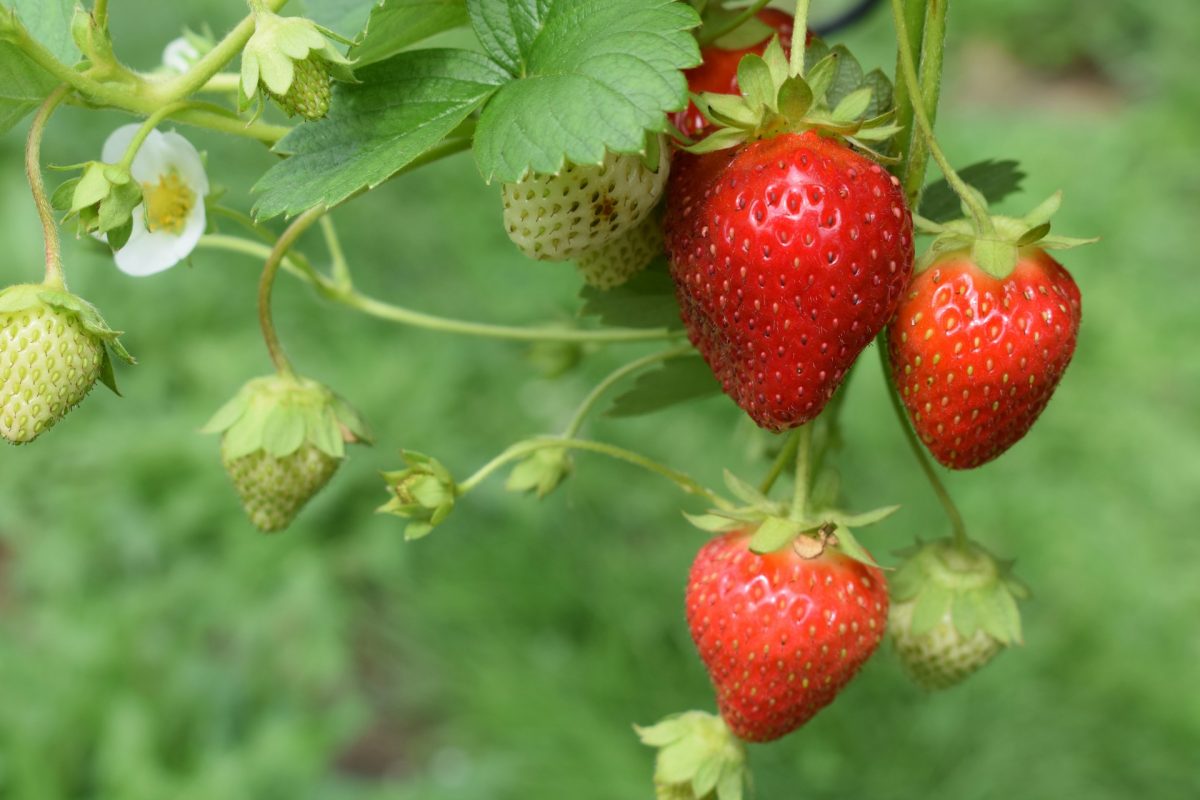
4. Strawberry Plants Multiply Like Crazy
Strawberries act like overachievers once they settle into a garden bed. A handful of starter plants quickly spreads through runners and creates an expanding patch loaded with sweet fruit every summer. Many gardeners replace plants every few years for peak production, but the patch itself keeps going indefinitely through those energetic runners. Fresh strawberries taste dramatically better than most store-bought versions because they ripen fully on the plant instead of during shipping. The smell alone turns an ordinary backyard into something magical during harvest season.
June-bearing strawberries produce one huge crop, while everbearing types offer smaller harvests throughout the season. Gardeners often plant both kinds for maximum berry happiness. Straw mulch helps prevent rot and keeps berries clean after heavy rain. Slugs, squirrels, and birds frequently try to muscle into the harvest, which creates an annual battle between humans and wildlife. Even with those challenges, strawberries remain one of the most rewarding long-term crops for families with limited garden space.
5. Horseradish Refuses to Quit
Horseradish might qualify as the toughest plant in the entire garden. Once planted, it digs deep roots and returns year after year with unstoppable determination. Many gardeners laugh that horseradish behaves less like a vegetable and more like a permanent backyard resident. The spicy roots create homemade sauces that blow away weak store-bought versions. A little freshly grated horseradish adds serious kick to roast beef sandwiches, deviled eggs, and barbecue spreads.
This plant thrives in a wide range of climates and rarely suffers from major pest problems. Gardeners usually harvest roots in fall after frost improves flavor intensity. Small root fragments left behind often regrow, which explains why horseradish develops its reputation for persistence. Smart gardeners give it a dedicated corner instead of mixing it into delicate vegetable beds. That aggressive nature actually becomes an advantage for anyone wanting reliable harvests with minimal effort.
6. Walking Onions Keep Expanding Every Year
Walking onions sound like something from a gardening fairy tale, but these quirky plants genuinely “walk” across the garden over time. Small bulb clusters form on top of the stalks, bend toward the soil, and eventually root themselves nearby. The result looks like onions slowly marching through the yard year after year. Gardeners love them because they provide green onion flavor early in spring before most crops wake up. They also survive brutal winters without complaint in many northern states.
These onions require almost no pampering once established. Many gardeners use them as edible borders because the unusual growth habit sparks conversation with neighbors and visitors. The bulbs work well in soups, sautés, and roasted vegetable dishes while the greens add punch to salads and baked potatoes. Walking onions tolerate poor soil better than many traditional onions. Their combination of resilience, flavor, and sheer weirdness makes them unforgettable additions to long-term gardens.
7. Fruit Trees Deliver the Ultimate Backyard Reward
Fruit trees represent the long game in gardening, but they create enormous rewards for homeowners willing to think ahead. Apple, pear, peach, and cherry trees can produce harvests for decades while adding shade and beauty to the landscape. A mature apple tree often yields hundreds of pounds of fruit in a good year. Backyard growers gain complete control over pesticide use, harvesting time, and flavor quality. Grocery store fruit rarely compares with tree-ripened peaches still warm from the afternoon sun.
Choosing varieties suited for local climates makes all the difference with fruit trees. Disease-resistant selections reduce maintenance headaches and improve long-term success. Pruning each winter keeps trees healthier and more productive while improving airflow through the branches. Young trees require patience, but many begin producing meaningful harvests within three to five years. The sight of branches bending under heavy fruit transforms an ordinary backyard into something deeply satisfying.
The Garden That Keeps Paying Rent
Long-term growers completely change the relationship between gardeners and their yards. Instead of constantly restarting every spring, these dependable plants build momentum year after year and reward consistency with larger harvests and lower costs. A thoughtfully planted perennial garden can provide food, beauty, and satisfaction for decades with far less effort than many annual crops demand. These plants also help gardeners ride out rising grocery prices while creating a stronger connection to the seasons. Few hobbies deliver such practical rewards while still feeling genuinely fun.
Which perennial crop would earn the first permanent spot in your garden? We definitely want to hear your advice and guidance below in our comments.
You May Also Like…
7 Perennials That Return Stronger With Minimal Effort
The Early Heat Stress Problem in Young Gardens
5 Proven Gardening Shortcuts That Save Time
7 Time-Saving Tools That Improve Garden Efficiency
6 Fast-Growing Crops Ready to Harvest in Just Weeks

Brandon Marcus is a staff writer for FrugalGardening.com at District Media, Inc., where he delivers practical gardening advice with a relatable, no-nonsense style. An avid amateur gardener, he holds a BA degree and with over ten years of professional writing experience, he is also an award-winning published author whose first book, Questions For Deep Thinkers, was released by Adams Media. His work has appeared in major publications including Fandom.com, CHUD.com, TheColdWire.com, and Fansided.com.
Leave a Reply